
Blooming
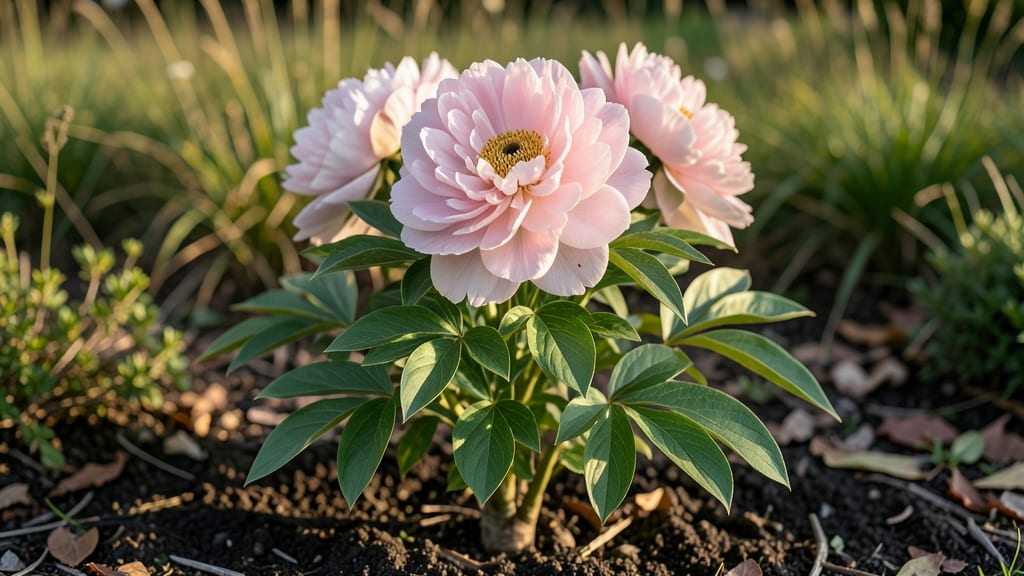
Peony bulbs take 2–3 years to bloom after planting, but that timeline shifts wildly depending on where you live and how you prep them.
If you’ve planted peony bulbs hoping for vibrant blooms but are wondering why your garden still looks bare, timing is everything—and it varies dramatically by climate zone. From patiently waiting two years to seeing your first flowers in just one, here’s the exact timeline you need to know.
In USDA Zone 6a, where cold winters trigger dormancy, peonies often bloom in their second spring, but early varieties in cooler zones (like Zone 3) might surprise you with flowers as soon as year one. The key? Proper planting in fall and enough winter chill hours to break dormancy.
Below, I’ll break down the zone-specific bloom windows, the factors that speed up or delay flowers, and what to do if your 🌸 still hasn’t made an appearance after three years.
Peony bloom timeline by USDA hardiness Zones: when to expect first flowers
Peonies are one of the most rewarding perennials to grow, but their blooming timeline can feel like a mystery—especially when your Zone 3 neighbor sees flowers in year one while your Zone 8 peonies take three years.
The truth? Your USDA hardiness zone dictates everything from first-bloom years to seasonal triggers like cold stratification. Let’s break down exactly when to expect those lush peony blooms based on where you garden.
Cold climates like Zones 3-4 often produce early bloomers (as early as year one) because peony roots need 300-500 hours of winter chilling to trigger flowering. Warmer zones (Zones 8-9) may see delayed blooms until year three because milder winters can disrupt this natural dormancy cycle.
Even soil temperature plays a role—cool spring soils in northern zones wake up peony roots faster than warm southern soils.
Here’s the zone-by-zone breakdown you’ve been waiting for, including average first-flower years and seasonal cues to watch for:
If you’re in Zone 3-4, your peonies might surprise you with first blooms in year one, especially if you planted bare-root peony tubers in fall. The key is ensuring they get enough cold stratification—plant them 6-8 weeks before frost and mulch heavily in winter.
In contrast, Zone 8-9 gardeners should expect patience: peonies often need three years to establish roots deeply enough for robust blooms.
Seasonal triggers matter just as much as zone. For example, peonies in Zone 5 typically bloom in mid-May when soil temperatures hit 50°F (10°C). In Zone 9, blooms may wait until June or July because warmer winters reduce chilling hours.
Even spring rainfall affects timing—too much rain can delay blooms by keeping soil too wet for root activity.
Pro tip: Track your peony’s progress by marking planting dates and noting leaf emergence (a sign roots are active). In Zones 3-6, leaves usually appear in early April, followed by buds 4-6 weeks later.
In Zones 7-9, leaves may not emerge until late April or May, pushing blooms later in the season.
Don’t forget that herbaceous peonies (the most common type) and tree peonies have slightly different timelines. Herbaceous peonies in Zone 6 might bloom in year two, while tree peonies—native to warmer climates—can take 4-5 years in Zone 7.
Always check the specific variety’s cold hardiness rating when selecting bulbs.
One common misconception is that peonies bloom every year once established. While they’re perennial, their bloom time can shift based on soil fertility, water stress, or disease pressure.
For example, over-fertilizing with nitrogen can delay blooms by encouraging leafy growth over flowers. Always use a balanced 5-10-10 fertilizer in early spring to encourage blooms.
Ready to plan your garden around peony blooms? Use this timeline to schedule companion plants—pair early Zone 3 bloomers with late-spring bulbs like alliums, and stagger Zone 9 peonies with summer-blooming perennials like coneflowers.
With the right zone-specific care, you’ll have vibrant peony blooms year after year, no matter where you live. 🌸
5 Key factors that speed up or delay peony blooms (and how to control them)
Peonies are famously patient—some gardeners wait 2–3 years for their first blooms, while others enjoy flowers in just one season. The difference often comes down to five critical factors you can control. Understanding these will help you accelerate blooms or troubleshoot delays before they happen.
First, bulb maturity plays a huge role. Younger peony roots take longer to establish, while mature, well-developed roots (3+ years old) bloom faster. If you’re planting nursery-grown peonies, check for thick, fleshy roots—these are your fastest path to flowers.
Next, sunlight exposure is non-negotiable. Peonies thrive with 6+ hours of direct sun daily. In shadier spots, blooms will be sparse or nonexistent. I’ve seen peonies in partial shade produce only 10% of their potential flowers—so mark that sunny patch in your garden now.
- 🌱 Bulb Maturity: 2–3 years for first blooms in young roots; 1 year in mature roots (3+ years old). Pro Tip: Plant fall for fastest establishment.
- ☀️ Sunlight: 6+ hours/day = full blooms; 4–6 hours = sparse flowers; <4 hours = no blooms. Fix: Move to sunnier spot or prune nearby trees.
- 🌡️ Winter Chilling: Needs 300–500 hours below 40°F (4°C). Southern zones (8–9) may need artificial chilling (refrigerator storage).
- 🌱 Soil pH: 6.5–7.5 ideal. Too acidic (<6.0) = stunted growth; too alkaline (>8.0) = yellow leaves. Test & amend with lime or sulfur.
- 📏 Planting Depth: 2 inches below soil line for roots; too deep (>3") delays blooms; too shallow (<1") risks rot. Measure from eyes (buds) to soil surface.
Don’t overlook winter chilling hours, which are essential for peony buds to form. In USDA Zones 3–5, nature handles this, but gardeners in Zones 6–9 may need to trick their peonies into dormancy by storing potted roots in a refrigerator (35–40°F) for 8–12 weeks.
Another sneaky culprit? Improper planting depth. Burying peony roots too deep (>3 inches) can delay blooms by a full year, while planting them too shallow (<1 inch) risks rot. Always plant with the eyes (buds) just below the soil line—this is the golden rule for peonies.
Finally, soil pH affects nutrient uptake. Peonies prefer a slightly acidic to neutral pH (6.5–7.5). If your soil is too acidic (<6.0), add lime; if it’s too alkaline (>8.0), mix in sulfur or peat moss.
A simple soil test kit will save you guesswork—and wasted seasons.
By mastering these five factors, you’ll cut bloom time in half and ensure your peonies reward you with lush, repeat blooms for decades. Start with sunlight and chilling, then fine-tune the rest—your future bouquets will thank you! 🌸