
Plants
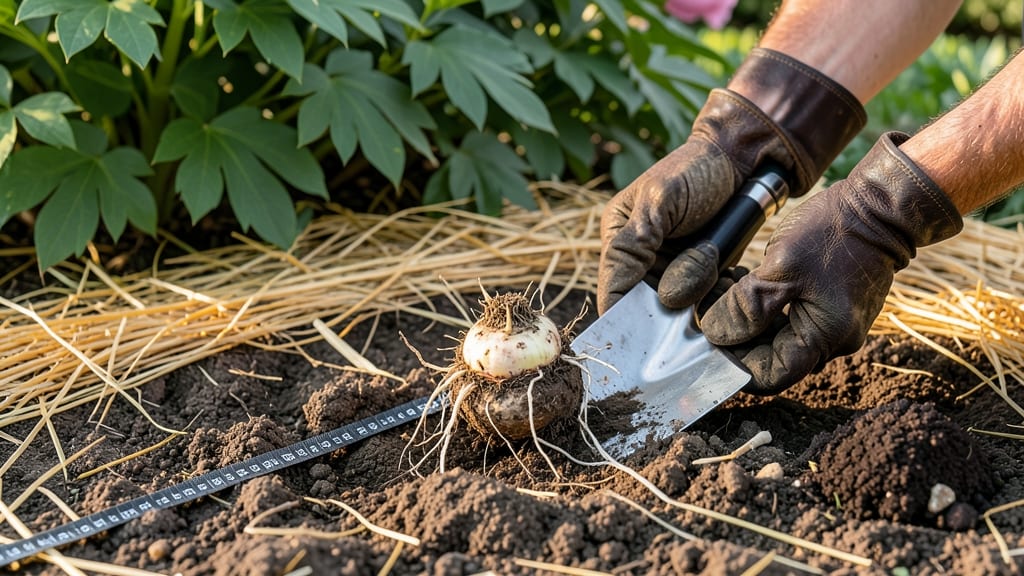
Plant peony bulbs in Georgia between late September and mid-November, when soil temperatures drop below 60°F—this timing unlocks their need for winter chilling to bloom reliably.
If you’ve ever waited eagerly for spring only to find your peonies 🌸 sending up sad, weak stems, you’re not alone. The key? Matching Georgia’s chill hours—300–1,000+ depending on your zone—to the bulb’s dormancy needs. Skip this step, and you’ll miss out on those lush, fragrant blooms.
This guide breaks down the exact planting window by region (from Atlanta’s cooler microclimates to Savannah’s milder winters), plus soil prep tricks to avoid rot and stunted growth in Georgia’s heavy clay. No more guessing—just reliable spring blooms.
You’ll also discover how deep to bury those roots, when to mulch for winter protection, and the one mistake 90% of Georgia gardeners make that keeps their peonies from thriving. Let’s get those bulbs in the ground the right way.
Peony planting timeline in Georgia: chill-hours breakdown by region
Georgia’s diverse climate—from 300 chill hours in Savannah to 1,000+ hours in North Georgia—means peony planting timing varies dramatically. Herbaceous peonies need 300-500 chill hours, while tree peonies thrive with 500-1,000+ hours.
Planting too early or late can delay blooms or stress bulbs, so let’s break down the perfect window by region.
In North Georgia (USDA Zone 7b), where winters are colder, aim for late September to mid-November. The soil stays workable longer, and bulbs get enough cold exposure before frost.
For Atlanta (Zone 7b-8a), the ideal window narrows to October 1st to November 15th, balancing chill hours and frost risk.
Savannah (Zone 8a) gardeners face the biggest challenge with 300-400 chill hours. Plant only in November—avoid September entirely, as summer heat stresses bulbs. Tree peonies in this zone may need winter mulch to boost chill accumulation.
🌸
For herbaceous peonies, prioritize October planting in most of Georgia. These bulbs establish roots quickly in cool soil but need 6-8 weeks before frost to settle in. Tree peonies, which bloom on old wood, benefit from later planting (November) to ensure sufficient chill hours.
Check your local first frost date—aim to plant 4-6 weeks before average frost. In North Georgia, this means mid-October; in Savannah, wait until late November. Use a soil thermometer to confirm 40-60°F soil temps—bulbs planted in warmer soil may rot.
Mulch heavily after planting with 2-3 inches of straw or pine needles to protect bulbs from freeze-thaw cycles. In Savannah’s mild winters, add extra mulch to simulate chill hours. Tree peonies in this zone may need winter protection like burlap wraps for the first year.
🌿
Watch for soil moisture—Georgia’s clay soils can stay soggy in fall. Amend with compost or sand to improve drainage. Herbaceous peonies planted in well-draining soil bloom 2-3 years faster than those in compacted ground. In Atlanta’s red clay, mix in organic matter to prevent waterlogging.
If you miss the fall window, spring planting is possible but risky. Plant in February-March only in North Georgia, where soil thaws early. In Savannah, spring planting often leads to stunted blooms due to summer heat stress. For best results, stick to fall.
After planting, mark locations with stakes or flags—peony foliage can take 2 years to emerge. Patience pays off: Properly timed fall plantings yield 50% larger blooms the following spring compared to rushed or late plantings.
✂️
5 Critical signs your Georgia soil is ready for peony bulbs (and how to fix it)
Georgia’s clay-heavy soils and humid climate can make peony bulb planting a challenge, but the right soil prep ensures healthy roots and vibrant blooms. Before you plant, check these 5 critical signs your soil is ready—or how to fix it if it’s not.
Proper drainage and pH balance are non-negotiable for peonies to thrive.
First, your soil should feel light and crumbly when moist—not sticky or compacted. Georgia’s clay soils often hold too much water, leading to bulb rot. If your soil stays clumped in your hand, it’s time to amend it with organic matter like compost or aged manure.
This improves both drainage and aeration, which peony roots crave.
A pH test is your next step—peonies prefer a slightly acidic to neutral range of 6.0 to 7.0.
If your soil is too alkaline (common in Georgia), add sulfur or peat moss to lower the pH. Test kits are affordable and save you from guessing. Yellowing leaves or stunted growth later could signal a pH problem you missed.
Now, let’s talk moisture balance. Your soil should hold moisture without becoming soggy. Dig a small hole and fill it with water—if it drains within 10-15 minutes, you’re good.
If water pools or drains too slowly, mix in perlite or sand to improve drainage. Peonies hate waterlogged roots, so this step is crucial.
🔍 Pros-Cons Box: Soil Prep for Peony Bulbs in Georgia
Use a kit to check pH (aim for 6.0-7.0). Adjust with sulfur or lime if needed.
Guessing pH leads to poor nutrient uptake and weak growth.
Mix in compost or aged manure to improve drainage and texture.
Compacted soil suffocates roots and causes rot.
Add perlite or sand if water pools in holes after 15+ minutes.
Water collects, drowning roots and inviting fungal diseases.
Use 2-3 inches of mulch to retain moisture and regulate soil temp.
Exposed soil dries out too fast, stressing young peony roots.
Finally, your soil should warm up quickly in spring—a sign it’s ready for peony growth. If it stays cold too long, peonies may struggle to bloom. To speed up warming, add compost or leaf mold to improve soil structure.
Once your soil passes these tests, you’re ready to plant peony bulbs 1-2 inches deep, with their eyes facing upward.
With the right soil prep, your peonies will reward you with bold, fragrant blooms for years to come—no more sad, wilted stems or missed blooms! 🌸