
Planting
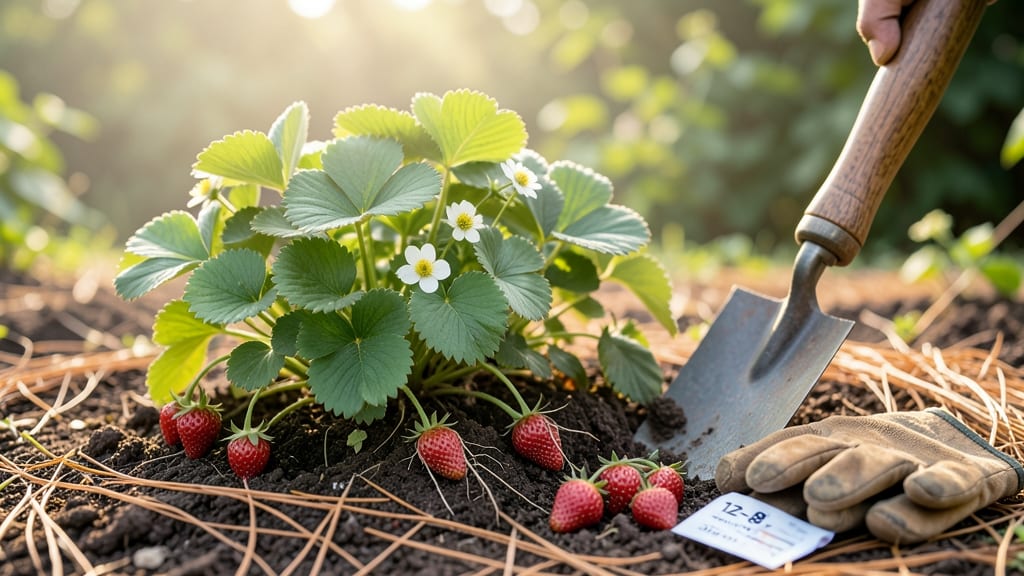
Planting strawberry bulbs isn’t just possible—it’s the secret to a garden bursting with sweet, juicy fruit for years. 🌱 I’ve learned the hard way that timing, soil, and placement make all the difference, and I’m sharing the exact steps that turned my first messy attempt into a thriving patch.
The magic starts with spring or fall planting, when soil is cool but workable. You’ll need well-draining soil, a sunny spot (at least 6 hours of light daily), and crowns spaced 12-18 inches apart—close enough for spreading but not so tight they crowd.
Dig a shallow trench, lay the crowns flat, and cover them with 1 inch of soil, leaving the top leaves exposed. After planting, water deeply to settle the soil, then keep it consistently moist (but never soggy) for the first 2-3 weeks.
You’ll see new growth within days, and by next summer, you’ll be harvesting pounds of berries with minimal effort. The best part? Strawberries multiply, so you’ll have extra plants to share—or expand your patch. For containers, use 5-gallon pots with drainage holes and plant 2-3 crowns per pot.
Avoid common mistakes like planting too deep (roots rot) or skipping mulch (weeds steal nutrients). With these simple steps, you’ll be enjoying homegrown strawberries in no time.
📚 In This Guide
- What you need
- Instructions
- Tips and common mistakes
- Wrapping up and next steps
What you need
- ● Strawberry bulbs (crowns): 10–20 plants (depending on desired harvest size; spacing ~12–18 inches apart). Choose June-bearing, everbearing, or day-neutral varieties based on your climate.
- ● Well-draining soil: Mix of garden soil, compost, and perlite (or sand) for loose, fertile beds. Aim for a pH of 5.5–6.8.
- ● Organic mulch: Straw, pine needles, or shredded leaves (2–3 inches thick) to retain moisture and suppress weeds.
- ● Balanced fertilizer: 10-10-10 or organic options like composted manure (sprinkle lightly at planting and after fruiting).
- ● Garden trowel or hand shovel: For digging small, precise holes (4–6 inches deep).
- ● Watering can or hose with a gentle spray nozzle: Avoid blasting the crowns.
- ○ Garden twine or stakes (optional but helpful): For trellising if growing everbearing varieties.
- ● Soil test kit: To check pH and nutrient levels before planting.
- ● Epsom salt (magnesium sulfate): 1 tablespoon per plant for a boost (especially in clay soil).
- ● Row covers or frost cloth: For early spring/fall planting in cold climates.
- ● Drip irrigation system: For consistent moisture without overwatering.
- ● Plant tags: To label varieties and track planting dates.
Step-by-step instructions for planting strawberry bulbs
Here’s my foolproof method for planting strawberry crowns—whether you’re prepping for spring or fall.
🌱 Step 1: Choose the Right Location and Prepare the Soil
Strawberries thrive in full sun—at least 6-8 hours daily—and well-draining soil with a slightly acidic pH (5.5-6.5). I always test my soil first; if it’s heavy clay, I mix in 2 inches of compost to improve drainage. Avoid low spots where water pools after rain, as soggy roots invite rot.
Loosen the soil to a depth of 12 inches with a garden fork or tiller. This breaks up compacted layers so roots can spread easily. If your soil is sandy, add 1 inch of peat moss to retain moisture without suffocating the plants. Work in a balanced organic fertilizer (like 10-10-10) at planting time to give them a nutrient boost.
🪴 Step 2: Plant the Strawberry Crowns Correctly
Strawberry "bulbs" are actually crowns—where the leaves meet the roots. Plant them so the top of the crown sits just above the soil line (about ½ inch exposed). Any deeper, and the crown rots; too high, and it dries out. I like to space them 18 inches apart in rows 3 feet apart for easy maintenance and airflow.
Dig a small hole for each crown, place it in, and gently firm the soil around the base. Don’t pack it down—just enough to eliminate air pockets. Water deeply right after planting to settle the soil and encourage root contact. Mulch with 2 inches of straw or pine needles to suppress weeds and retain moisture, but keep it 2 inches away from the crown to prevent rot.
☀️ Step 3: Water and Maintain for Strong Growth
Keep the soil consistently moist but not soggy for the first 2-3 weeks—water when the top inch feels dry. Strawberries are shallow-rooted, so drip irrigation or soaker hoses work best to avoid wetting the leaves (which spreads disease). Once established, they’re drought-tolerant but produce sweeter fruit with steady moisture.
Remove any flowers that appear the first year—yes, it’s counterintuitive, but this redirects energy into root and crown growth. In spring, add a high-nitrogen fertilizer (like 12-12-12) to encourage leafy growth. In fall, switch to a low-nitrogen, high-phosphorus fertilizer (like 5-10-10) to support next year’s fruit production. Watch for runners (long stems with baby plants) in summer—pinch them off if you want larger berries, or let them grow for propagation.
Tips & tricks for perfect strawberry planting
These simple yet game-changing tricks will help you avoid common pitfalls and maximize your strawberry harvest.
The Sunlight Secret: While 6-8 hours of sunlight is ideal, if you're in a slightly shadier spot, opt for everbearing varieties like 'Albion' or 'Seascape'—they produce fruit even with 4-6 hours of sun. I've seen these varieties thrive in my morning-sun garden where June-bearing types would struggle. Just be prepared for smaller yields in lower light conditions.
Soil Prep Pro Tip: Don't skip the soil test! Your local extension office often offers free or low-cost testing. I once planted strawberries in soil testing pH 7.2 (neutral) and watched them struggle for two seasons before realizing the alkaline conditions were blocking nutrient uptake. Aim for that 5.5-6.5 range—you can adjust with sulfur (to lower pH) or lime (to raise it) if needed.
Planting Precision: That ½-inch crown exposure might seem small, but it's critical. I mark my planting depth with a popsicle stick stuck in the soil at the proper level—this visual guide prevents me from accidentally burying crowns too deep. Also, resist the urge to pack soil tightly around the crown; gentle firming is all you need to eliminate air pockets without restricting growth.
Watering Wisdom: The first 2-3 weeks are critical for root establishment, so I set up a simple drip irrigation system on a timer for 10 minutes twice daily. This keeps soil consistently moist without the risk of overwatering that can come with hand-watering. Once established, strawberries are surprisingly drought-tolerant, but consistent moisture produces sweeter fruit—nature's way of rewarding good care!
Pro Tips for Plant Strawberry Bulbs
- These simple yet game-changing tricks will help you avoid common pitfalls and maximize your strawberry harvest.
- The Sunlight Secret: While 6-8 hours of sunlight is ideal, if you're in a slightly shadier spot, opt for everbearing varieties like 'Albion' or 'Seascape'—they produce fruit even with 4-6 hours of sun.
- Soil Prep Pro Tip: Don't skip the soil test!
Frequently asked questions
Got questions about planting strawberry bulbs?
You’re not alone! Here are answers to the most common concerns—from timing to troubleshooting—so you can grow juicy, homegrown strawberries with confidence.
When is the best time to plant strawberry bulbs?
Plant strawberry bulbs in early fall (4-6 weeks before the first frost) or early spring (as soon as the soil is workable). Fall planting gives roots time to establish before winter, while spring planting avoids frost damage. Check your USDA zone for precise timing!
Can I plant strawberry bulbs in winter?
No, avoid planting in winter unless you’re in a mild climate (Zone 8+) with no frost. Cold soil and freezing temps can stunt growth or kill young bulbs. If you must plant late, use row covers or mulch to protect them.
What if my strawberry plants don’t produce fruit?
Common culprits include lack of sunlight (6+ hours daily), poor soil, or overcrowding. Try amending soil with compost, spacing plants 12–18 inches apart, and ensuring full sun. June-bearing varieties need 2–3 years to mature—patience pays off!
Are strawberry bulbs the same as runners?
Not quite! Bulbs (like bare-root crowns) are dormant plants ready to grow, while runners are stems that sprout new plants from existing ones. Bulbs are easier for beginners—just plant and water. Runners require more patience but are free if you already have strawberries!
How do I protect strawberries from pests?
Use organic deterrents like neem oil, diatomaceous earth, or row covers for slugs and birds. Reflective tape can scare off pests, and removing weeds reduces hiding spots. For slugs, set out beer traps or copper barriers—they’re gross but effective!
Wrapping up and next steps
Planting strawberry bulbs is a rewarding way to grow your own sweet, juicy treats—whether you’re a seasoned gardener or just starting out! 🌱 With the right timing, soil prep, and care, you’ll be enjoying homegrown strawberries in no time. Remember: patience and consistency are key, so don’t rush the process.
Now that you’re armed with the know-how, take the next step—mark your calendar for planting season (spring or fall) and gather your supplies. Before you know it, your garden will be bursting with vibrant green plants and delicious, ripe berries. Happy planting! 🍓✨