
Pests
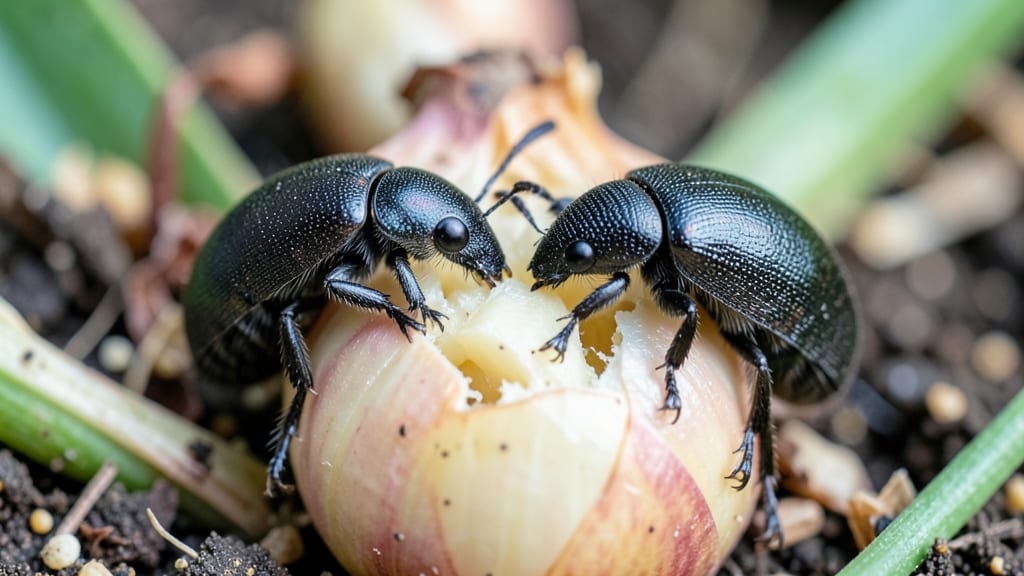
If you're struggling with how to stop squirrels eating tulip bulbs, I get it—those bulbs are your spring investment. 🌱 After losing an entire row of prized tulips to chomping squirrels, I finally cracked the code with cage-like barriers that actually work without harming these clever critters.
The key is combining hardware cloth (not chicken wire—squirrels chew through it) with a few extra tricks. Bury the mesh at least 6 inches deep around the bulb area, then bend it outward to create a 3-inch-high wall.
Add a second layer of mesh on top of the soil for good measure. This setup keeps them out without trapping them.
You’ll wake up to undisturbed tulip shoots in spring, their vibrant blooms unfazed by hungry squirrels. The barriers last multiple seasons, and you can even reuse them for other bulbs like daffodils or hyacinths. No more digging up bulbs or resorting to harsh repellents—just a simple, foolproof solution.
For extra protection, try planting squirrel-resistant bulbs like alliums or fritillarias nearby—they’re less appealing and can distract those busy tails. The combination of barriers and smart planting turns your garden back into a squirrel-free sanctuary for your tulips.
Why it happens
Squirrels aren’t just nibbling on tulip bulbs out of boredom—they’re driven by a mix of instinct, nutrition, and survival strategies honed over millennia. Understanding these root causes is the first step to outsmarting them. Let’s break down why your garden’s underground stash is such a squirrel buffet.
🧠 Hardwired Survival Instincts
Squirrels are hoarders by design. Their brains are wired to cache food for winter, a behavior critical to their survival in the wild. Tulip bulbs—rich in starches and sugars—are an easy, high-energy snack. Studies show that squirrels prioritize food sources that are:
- Calorie-dense: Bulbs pack energy without bulk, making them ideal for storing.
- Easy to dig up: Unlike deep-rooted tubers, tulip bulbs sit just beneath the soil surface.
- Low-risk: Humans rarely patrol underground, so squirrels see bulbs as a "safe" target.
Even in urban areas, this instinct remains strong. If your yard has squirrels, they’re likely treating your garden like a natural pantry—and tulip bulbs are their gourmet snacks.
🌱 Nutritional Goldmines in Bulbs
Tulip bulbs aren’t just tasty; they’re a nutritional powerhouse for squirrels. Here’s what makes them irresistible:
| Nutrient | Why It Matters to Squirrels |
|---|---|
| Carbohydrates (60-70%) | Quick energy for digging, climbing, and escaping predators. |
| Fiber (10-15%) | Supports digestion, helping them process tougher winter foods. |
| Small amounts of protein & fats | Essential for muscle repair and survival during lean months. |
| Moisture content | Hydration is scarce in winter; bulbs provide a water-rich meal. |
Compare this to a squirrel’s typical diet—mostly seeds, nuts, and occasional insects—and you’ll see why bulbs are a no-brainer (pun intended). They’re the fast-food equivalent of the squirrel world.
🏡 Urbanization and Human Habitats
When forests shrink and cities expand, squirrels adapt by turning human spaces into hunting grounds. Here’s how your yard becomes a squirrel magnet:
- Lack of natural predators: Cats and owls are scarce in suburban areas, so squirrels feel safer raiding gardens.
- Abundant food sources: Bird feeders, fallen fruit, and—yes—tulip bulbs create a buffet effect.
- Shelter opportunities: Trees, shrubs, and even attics provide nesting sites, making your yard a year-round home.
- Seasonal timing: Squirrels dig bulbs in late summer to early fall (when bulbs are softest) and late winter (when food is scarce). This aligns with tulip planting seasons, making your garden a prime target.
💡 Pro Tip: If your neighbors have squirrels, theirs might be visiting yours. Squirrels have territories that can span multiple yards, so a single "infestation" can quickly become a community problem.
🎯 Behavioral Triggers: What Lures Them In
Squirrels don’t randomly dig up bulbs—they’re strategic foragers. These cues signal "easy prey" to them:
- Freshly disturbed soil: If you’ve recently planted bulbs, the scent and loose earth are a red flag.
- Visible greenery: Squirrels watch for sprouting tulips (or even cut stems) as a sign of buried bulbs.
- Open ground: Lawns and garden beds without mulch or ground covers are easier to dig than wooded areas.
- Previous success: If squirrels find bulbs once, they’ll return to the same spot, teaching others in the colony.
🔥 Key Insight: Squirrels learn from each other. A single successful raid can turn your garden into a hotspot for the whole squirrel population.
How to solve it
Squirrels may be adorable, but their love for tulip bulbs can turn your garden into a buffet—and leave you with a sad, empty flowerbed. The good news? With the right strategies, you can outsmart these furry thieves and protect your blooms.
Below are targeted solutions based on the most common causes of tulip bulb theft, from quick fixes to long-term prevention.
Squirrels are expert excavators, and if your bulbs are easy to reach, they’ll dig them up in minutes. The fastest way to stop them? Physical barriers.
- 🍳 Chicken Wire or Hardware Cloth Bury a 1/4-inch mesh hardware cloth (squirrels can’t chew through it) 6–8 inches deep around your tulip bed. Extend it 4–6 inches above ground to prevent them from jumping in.
For a temporary fix, bend chicken wire into a cage-like structure over individual bulbs before planting. Pro Tip: 💡 Bend the wire outward at the top—squirrels are clever and might try to climb over flat edges.
- 👨🍳 DIY Cage Barriers If you’re planting in containers or raised beds, use wire mesh to create small cages around each bulb. Secure the top with staples or clips to keep squirrels out.
This is especially effective for high-value bulbs like rare tulips. Warning: ⚠️ Avoid plastic mesh—squirrels can gnaw through it!
Squirrels hate strong smells and tastes, so use these non-toxic deterrents to make your garden less appealing.
- 🌶️ Spicy or Pungent Sprays Mix hot sauce, cayenne pepper, or garlic with water and spray it around the bulb area.
Reapply after rain. Essential oils like peppermint or eucalyptus (soaked in cotton balls and placed near bulbs) also work well. Pro Tip: 🌡️ Test on a small area first—some plants may react poorly to strong spices.
- 🎯 Motion-Activated Sprinklers Squirrels hate sudden water bursts. Install a motion-activated sprinkler (like the Orbit Enforcer) near your tulip bed. The surprise spray will scare them off without harming them. Bonus: ✨ Doubles as a deer deterrent!
Sometimes, the best defense is outsmarting their schedule. Squirrels dig most actively in early spring and late fall—so adjust your planting strategy.
- 🔪 Plant Later in the Season If squirrels are already raiding your garden, delay planting tulips until late October or early November.
By then, they’ll be focused on storing winter food (nuts, seeds) rather than digging up bulbs. Warning: ⚠️ Check your frost dates—some tulips need a cold period to bloom properly.
- 🌱 Use Squirrel-Resistant Alternatives If tulips are a lost cause in your area, try daffodils, alliums, or crocuses—squirrels dislike their bitter taste. Plant them alongside tulips to create a mixed border that’s harder to raid.
Squirrels dig for easy, high-calorie snacks. If your yard is already a squirrel magnet, eliminate other food sources to reduce their interest in your tulips.
- 🍎 Secure Bird Feeders Squirrels will trade birdseed for tulip bulbs. Use squirrel-proof feeders (with metal cages) or hang feeders high and far from trees. Pro Tip: 💡 Place a fake owl nearby—squirrels avoid areas with perceived predators.
- 🌳 Clean Up Fallen Nuts & Seeds Rake up acorns, walnuts, and seed pods from your lawn. A nut-free yard = less motivation to dig.
For maximum protection, combine multiple layers of defense in a "tulip cage" system:
- Plant bulbs in a deep pot (at least 12 inches deep) filled with gravel or sand (squirrels hate digging through it).
- Wrap the pot in hardware cloth before filling it with soil.
- Bury the pot flush with the ground, leaving 2–3 inches of rim above soil to prevent squirrels from reaching in.
- Cover the top with a wire mesh lid secured with staples.
Why It Works: 🎯 No digging, no climbing, no access—squirrels will move on to easier targets.
Final Thought: 🔥 Consistency is key. Squirrels are persistent, so combine at least two methods (e.g., hardware cloth + repellents) for the best results. Once they learn your garden is off-limits, they’ll find an easier snack elsewhere—leaving your tulips safe to bloom!
Frequently asked questions
What’s the best mesh to use for protecting tulip bulbs?
Use 1/4-inch hardware cloth—it’s sturdy enough that squirrels can’t chew through it. Avoid chicken wire (they’ll gnaw through it) or plastic mesh (too flimsy). Bury the mesh 6-8 inches deep and extend it 4-6 inches above ground to block all access points.
Will squirrels eventually stop digging if I use repellents?
Not reliably—squirrels learn quickly and may return once the smell fades. For long-term results, combine repellents (like peppermint oil) with physical barriers (hardware cloth). Reapply repellents every 2-4 weeks or after rain for best protection.
Can I plant tulips in containers to keep squirrels away?
Yes! Use deep pots (at least 12 inches) filled with gravel or sand at the bottom (squirrels hate digging through it). Wrap the pot in hardware cloth before adding soil, and cover the top with wire mesh. Bury the pot flush with the ground for extra security.
Are there any squirrel-resistant tulip varieties?
No tulip variety is completely squirrel-proof, but some are less appealing. Try double-flowered varieties (more complex structure) or bitter-tasting species like Tulipa clusiana. For better results, plant them alongside daffodils or alliums—squirrels dislike their strong flavors.
How do I know if squirrels are still digging after I’ve installed barriers?
Check for freshly disturbed soil or small mounds of dirt around your planting area. Also watch for missing bulbs or chewed stems in spring. If you see these signs, reinforce your barriers or add motion-activated sprinklers to deter them.