
Planting
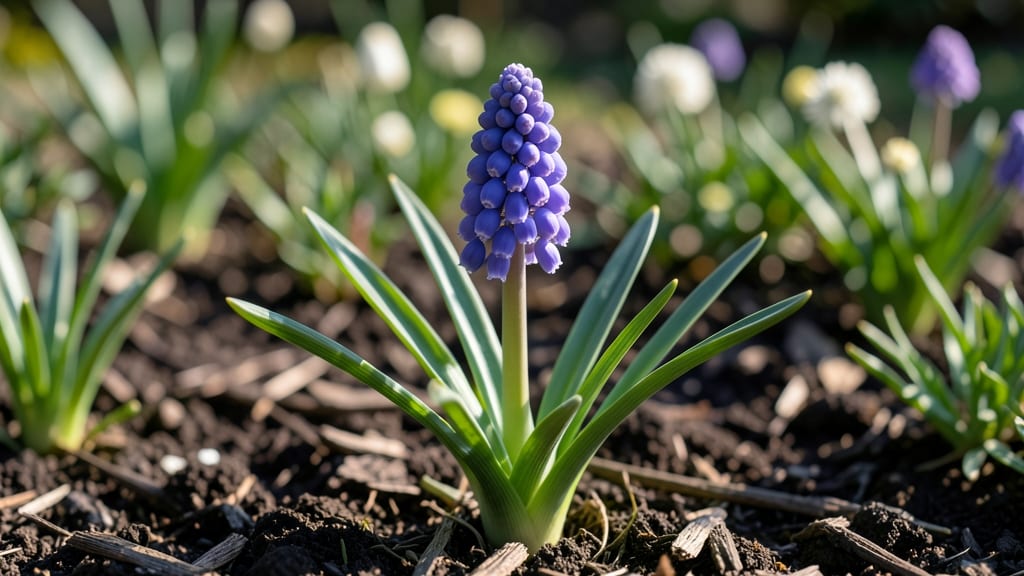
Planting Muscari armeniacum bulbs is like tucking tiny purple jewels into your spring garden—each bulb promises a cascade of grape-like flowers that dance in the breeze. 🌱 I’ve planted these for years, and the secret to their vibrant clusters lies in the right timing, soil, and a little patience.
These bulbs thrive where others struggle, popping up reliably even in partial shade or rocky soil.
The key to success starts with well-draining soil and a sunny spot—they handle heat once established but need consistent moisture while roots settle. Plant them 4-6 inches deep, with 3-4 inches between bulbs, in fall for a spring surprise.
Overcrowding is their only enemy, so space them like you’re planting tiny treasure chests.
By spring, you’ll see those signature purple spikes shooting up, often before other perennials. The blooms attract bees early in the season, and the foliage fades neatly by summer, leaving no mess. They multiply over time, creating natural drifts that look like someone sprinkled confetti across your garden.
Pair them with daffodils or tulips for height contrast, or let them spill over edges where their color pops against green grass. If they skip blooming one year, don’t panic—it’s often just a rest phase. With minimal care, these bulbs reward you for years with effortless spring beauty.
📚 In This Guide
- What you need
- Instructions
- Tips and common mistakes
- Wrapping up and next steps
What you need
- ● Muscari armeniacum bulbs: 10–20 bulbs (depending on desired cluster size). Choose firm, plump bulbs (1.5–2 inches in diameter) for best results.
- ● Well-draining soil: A mix of garden soil + compost (or potting mix for containers). Aim for a slightly alkaline pH (6.5–7.5).
- ● Sunlight access: A spot with full sun to partial shade (6+ hours of sunlight daily for vibrant blooms).
- ● Watering can or hose: With a gentle spray nozzle for post-planting hydration.
- ○ Garden gloves (optional but recommended): To protect hands while handling bulbs and soil.
- ● Hand trowel or bulb planter: For digging holes (6 inches deep, 4–6 inches apart).
- ○ Mulch (optional): 1–2 inches of shredded bark or straw to retain moisture and suppress weeds.
- ● Fertilizer (low-phosphorus): A balanced 10-10-10 or bulb-specific fertilizer (apply lightly after planting).
- ● Container (if growing in pots): A pot with drainage holes (6+ inches deep) and a saucer.
- ○ Plant labels (optional): To track varieties if mixing bulbs.
Step-by-step instructions for planting Muscari armeniacum bulbs
Here's how to plant grape hyacinth bulbs for those showstopping spring clusters.
🌱 Step 1: Choose the Perfect Planting Location
Select a spot with full sun to partial shade—grape hyacinths tolerate light shade better than deep shade. I always pick areas where spring blooms will be visible from walkways or seating areas. The soil should drain well since these bulbs rot easily in soggy conditions.
If your garden has heavy clay, amend the area with 2-3 inches of compost mixed into the top 6 inches of soil. Work it in gently so the roots won't have to push through compacted layers later. A slightly rocky soil actually helps drainage, which grape hyacinths appreciate.
🪴 Step 2: Plant Bulbs at the Right Depth and Spacing
Dig holes 3-4 inches deep—about twice the height of the bulb itself. Planting too shallow means the bulb will dry out; too deep delays flowering. I like to space bulbs 3-4 inches apart for a dense carpet effect, or 6 inches apart if you want more air circulation between plants.
Place each bulb with the pointed end facing up. If you're unsure which end is up, don't worry—muscari are forgiving. Just make sure the flat base sits at the bottom of the hole. Once planted, cover with soil and give a gentle watering to settle everything in place.
☀️ Step 3: Mulch and Water for Establishment
Spread a 1-2 inch layer of mulch over the planting area to protect bulbs from winter freeze-thaw cycles and keep soil moisture even. I use shredded bark or straw—avoid thick layers that might smother emerging shoots. Water lightly after mulching to help it settle against the soil.
Keep the area moist but not soggy until the first signs of green shoots appear. You'll know it's working when you see narrow, grass-like leaves pushing through the soil in early spring. Once growth starts, reduce watering to normal levels—these bulbs are naturally drought-tolerant once established.
⏰ Step 4: Maintain Through Spring and Prepare for Next Year
Let the foliage die back naturally after flowering—don't cut it until it turns completely brown. This process recharges the bulb for next year's blooms. I usually wait until late summer to trim the dead leaves, giving the bulb plenty of time to store nutrients.
Fertilize lightly in early spring with a balanced bulb fertilizer (5-10-10 ratio) or compost. Too much nitrogen makes leaves grow at the expense of flowers. After flowering, you can divide crowded clumps in fall by lifting bulbs, separating offsets, and replanting them immediately.
Tips & tricks for perfect grape hyacinth plantings
These little tricks will help you grow the most vibrant grape hyacinth clusters your neighbors will envy.
Location Intelligence: While grape hyacinths tolerate partial shade, they truly shine in locations with at least 6 hours of morning sun. I've found that eastern exposures—where they get gentle morning sunlight but afternoon shade—produce the most abundant blooms. This balance prevents the flowers from fading too quickly in hot afternoon sun.
Bulb Selection Tip: Choose bulbs that are firm and free of soft spots or mold. The larger the bulb (about the size of a golf ball), the more robust the display will be. I always sort my bulbs by size before planting—larger ones go in prominent spots while smaller ones create natural borders. Store any extras in a cool, dry place until you're ready to plant them.
Soil Prep Secret: The 2-3 inches of compost mentioned in Step 1 is non-negotiable for heavy clay soils, but don't overlook the importance of breaking up any compacted layers. I use a garden fork to loosen the soil to a depth of 8-10 inches—this gives the roots room to establish without struggling. A quick soil test can also reveal if you need to add perlite or sand for even better drainage.
Timing for Success: Plant your bulbs in fall, about 6-8 weeks before the ground freezes in your area. This timing allows the roots to establish before winter dormancy. In warmer climates, you can plant as late as early winter, but aim to get them in the ground before active growth begins. The key is giving the bulbs time to root before the cold sets in.
Pro Tips for Muscari Armeniacum Bulbs
- These little tricks will help you grow the most vibrant grape hyacinth clusters your neighbors will envy.
- Location Intelligence: While grape hyacinths tolerate partial shade, they truly shine in locations with at least 6 hours of morning sun.
- Bulb Selection Tip: Choose bulbs that are firm and free of soft spots or mold.
Frequently asked questions
Got questions about growing Muscari armeniacum bulbs? You’re not alone! Here are answers to common queries to help you cultivate stunning grape hyacinth clusters with confidence.
When is the best time to plant Muscari armeniacum bulbs?
The ideal time to plant grape hyacinth bulbs is in early fall (September–October), about 6–8 weeks before the ground freezes. This allows roots to establish before winter. If you miss this window, spring planting (March–April) works too, though flowers may appear later.
Can Muscari armeniacum survive harsh winters?
Yes! These bulbs are hardy in USDA Zones 3–9 and thrive in cold climates. Mulch lightly with straw or leaves in extreme winters to protect them. Their natural resilience makes them low-maintenance—just plant and forget until spring!
Why aren’t my grape hyacinths blooming?
No blooms? Check these fixes:
- Light: Ensure they get full sun to partial shade (6+ hours of sun). Too much shade delays flowers.
- Soil: Well-draining soil is key. Amend heavy clay with compost.
- Age: Bulbs need 1–2 years to mature before flowering.
- Fertilizer: Apply a balanced bulb fertilizer in early spring.
What plants pair well with Muscari armeniacum?
Grape hyacinths make dramatic companions! Try:
- Tulips or daffodils (for height contrast)
- Ferns or hostas (for lush foliage)
- Alliums (for similar purple blooms)
- Perennials like Helleborus (for early-season color)
Their compact size lets them thrive in borders, rock gardens, or containers.
Are Muscari armeniacum bulbs toxic to pets?
Yes, they’re mildly toxic to dogs and cats if ingested, causing nausea or vomiting. Plant them in pet-safe areas or opt for non-toxic alternatives like Scilla (bluebell) if concerned. Always monitor pets near new plantings!
Pro Tip:
For longer-lasting blooms, deadhead spent flowers (snip faded stems) to redirect energy to bulb growth. This encourages bigger clusters next season!
Wrapping up and next steps
Growing Muscari armeniacum bulbs is a rewarding way to add a splash of spring color to your garden with minimal effort! These hardy, low-maintenance beauties thrive in well-drained soil and partial shade, making them perfect for beginners and seasoned gardeners alike.
Whether you’re planting them in clusters for a bold display or mixing them into existing borders, their grape-like blooms will bring joy and charm to your outdoor space.
Now that you’re armed with the secrets to success, why not take the next step? Grab those bulbs, mark your calendar for fall planting, and get ready to welcome a burst of purple-blue magic next spring! 🌸✨