
Planting
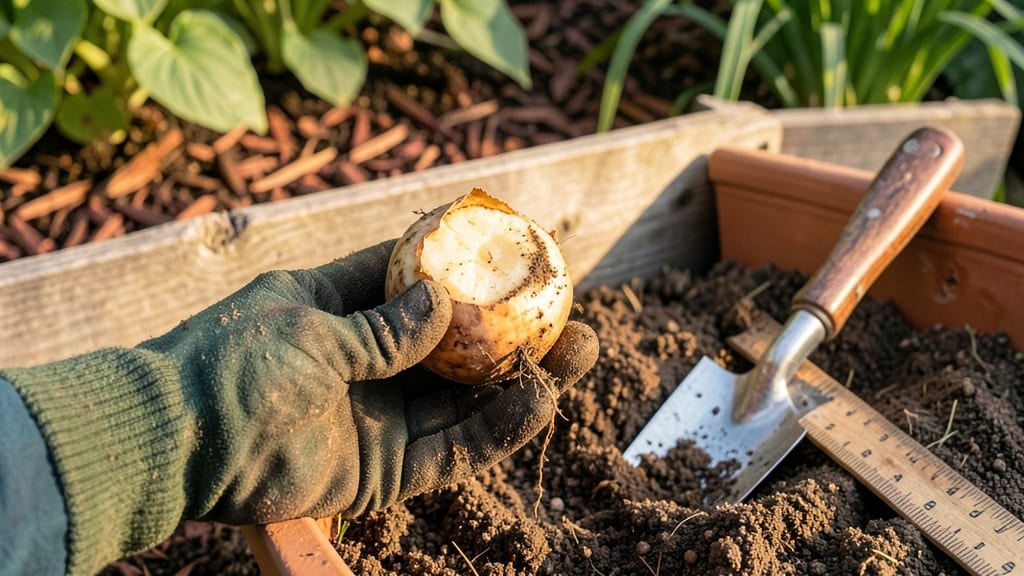
Planting lilium bulbs in fall guarantees those towering, fragrant blooms next summer—but most people overthink the depth and spacing. 🌿 I’ve planted hundreds of bulbs, and the secret isn’t complicated: just follow these three simple rules for soil, timing, and placement.
The key starts with well-draining soil—lilies hate soggy feet. Mix in compost or sand if your yard packs like clay, and choose a spot with 6+ hours of sunlight. Bulbs go 6 inches deep (twice their height) and 12 inches apart for sturdy stems. Containers?
Use well-draining pots with drainage holes and plant them deeper than in-ground. By late September or early October, your bulbs will be snug in the ground, their roots already stretching toward spring. Water lightly after planting, then let winter rains do the work.
Come summer, you’ll be rewarded with bold blooms that last weeks—no fuss, just drama. Container gardeners, take note: lilies thrive in pots too, just swap the spacing for one bulb per 5-gallon container. And if your leaves yellow next year? It’s not a failure—it’s normal.
The plant’s energy is already shifting underground, preparing for next season’s showstopper blooms.
📚 In This Guide
- What you need
- Instructions
- Tips and common mistakes
- Wrapping up and next steps
What you need
- ● Lilium bulbs: Choose healthy, firm bulbs (size depends on variety—typically 2-4 inches in diameter). Aim for 3-5 bulbs per planting spot for a lush display.
- ● Garden soil: Well-draining, loose soil (amend with compost or peat moss if your soil is heavy or clay-like).
- ● Garden fork or trowel: For digging holes with ease—6-8 inches deep is ideal for most Lilium varieties.
- ● Organic fertilizer: A balanced (10-10-10) or bulb-specific fertilizer (follow package rates for application).
- ● Mulch: 2-3 inches of organic mulch (straw, shredded bark, or leaves) to retain moisture and regulate soil temperature.
- ● Watering can or hose: With a gentle spray nozzle for post-planting hydration.
- ● Bulb fertilizer spikes: Convenient for slow-release nutrients.
- ● Soil moisture meter: To monitor hydration levels, especially in dry climates.
- ● Plant markers: Label varieties if mixing types (e.g., Lilium 'Stargazer' vs. 'Casablanca').
- ● Copper-based fungicide: Prevents bulb rot in humid areas.
- ● Garden gloves: Protect your hands from thorns (some varieties have them!).
Step-by-step instructions for planting Lilium bulbs
Here's how I plant lilium bulbs for dramatic, healthy blooms—no guesswork, just proven techniques.
🌱 Step 1: Choose the Right Location and Timing
Lilium bulbs thrive in full sun to partial shade with at least 6 hours of direct light daily. I always pick a spot with well-draining soil—these bulbs rot quickly in soggy conditions. Early fall planting (after the first frost or 6-8 weeks before your last spring frost) gives roots time to establish before winter.
Test your soil's drainage by digging a 12-inch hole, filling it with water, and timing how long it takes to drain. If it holds water for more than an hour, amend the soil with 2-3 inches of coarse sand or perlite mixed into the top 6 inches. Liliums also need shelter from strong winds, so avoid exposed areas where stems could snap.
🌿 Step 2: Prepare the Planting Site
Loosen the soil to a depth of 12-15 inches using a garden fork or tiller. Break up any compacted layers so roots can penetrate easily. I add a 2-inch layer of compost to the bottom of the hole—this improves fertility without overwhelming the bulb with nitrogen, which can cause rot.
For heavy clay soil, mix in 1 part peat moss or coconut coir to 3 parts native soil to lighten the texture. Avoid fresh manure or high-nitrogen fertilizers at planting time. Instead, I sprinkle a handful of low-nitrogen bulb fertilizer (5-10-10 ratio) into the hole—this provides just enough nutrients without burning tender roots.
🪴 Step 3: Plant Bulbs at the Correct Depth and Spacing
Lilium bulbs need 4-6 inches of soil coverage—deeper than most bulbs but essential for their long stems. Dig holes 6-8 inches deep and space them 12-24 inches apart, depending on the variety. Larger, showier lilies (like 'Stargazer') need the full 24 inches to avoid crowding, while smaller types can share space.
Place each bulb with its nose (pointy end) facing upward. If you're unsure which end is up, plant it sideways—the bulb will still grow, though blooms may be slightly smaller. Gently firm the soil around the bulb but don't pack it down. Water deeply right after planting to settle the soil and eliminate air pockets.
💧 Step 4: Mulch and Water for Establishment
Spread a 2-3 inch layer of organic mulch (straw or shredded leaves) over the planting area to retain moisture and regulate soil temperature. Mulch also suppresses weeds, which compete for nutrients. Avoid pine needles or cedar mulch—these can acidify the soil too much for liliums.
Water the area thoroughly until the soil is 6-8 inches deep and evenly moist. After that, keep the soil consistently moist but never soggy. You'll know it's right when the top inch feels damp to the touch but not wet. During the first growing season, liliums need 1-1.5 inches of water weekly, more in hot, dry spells.
⏰ Step 5: Monitor for Growth and Bloom Time
Lilium shoots typically emerge in 4-6 weeks, depending on your climate. You'll see a bright green, sword-shaped leaf first—this is your signal that the bulb is established. Once the foliage reaches 12-18 inches tall, side shoots will appear, indicating robust growth.
Remove any flower buds that form in the first year—the plant needs to focus on building roots and foliage. In the second year, you'll get your first full bloom display. Deadhead spent blooms by cutting the stem 1 inch above the next set of leaves to encourage more flowers. Stop watering once the leaves yellow in late summer, signaling the bulb is entering dormancy.
Tips & tricks for perfect Lilium bulb planting
Here's what I learned after years of growing showstopping lilies—these details make all the difference between average blooms and garden-worthy drama.
Location Intelligence: That 6 hours of sunlight is non-negotiable, but here's the thing: morning sun with afternoon shade works best in hot climates. I've seen lilies scorch when planted in full afternoon sun—watch for yellowing leaves that's not just dormancy. For windy areas, stake the stems before planting to prevent breakage, especially with taller varieties like 'Casa Blanca'.
Soil Science: The drainage test is your best friend! If water drains faster than 30 minutes, you're good. If it's slower, mix in that 2-3 inches of sand or perlite—but don't overdo it. Too much sand can make the soil too porous, and lilies need some moisture retention. I've had great success with a 50/50 mix of native soil and perlite for heavy clay gardens.
Planting Precision: When you're digging those 6-8 inch holes, use a bulb planter if you have one—it makes perfectly sized holes every time. For the 4-6 inch soil coverage, I measure from the top of the bulb to the soil surface with a ruler. Too shallow and stems flop; too deep and blooms struggle to emerge. Pro tip: Mark your planting lines with landscape paint before digging to keep rows straight.
Watering Wisdom: That 1-1.5 inches weekly is a guideline, but here's the secret: water deeply every 5-7 days rather than light daily watering. Shallow watering encourages shallow roots. I use a rain gauge to track rainfall—if we get 1 inch naturally, I skip my watering that week. And never let the soil dry out completely during the growing season.
Pro Tips for Planting Lilium Bulbs
- Here's what I learned after years of growing showstopping lilies—these details make all the difference between average blooms and garden-worthy drama.
- Location Intelligence: That 6 hours of sunlight is non-negotiable, but here's the thing: morning sun with afternoon shade works best in hot climates.
- Soil Science: The drainage test is your best friend!
Frequently asked questions
Got questions about planting Lilium bulbs? You’re not alone! Here are answers to the most common concerns—so you can grow showstopping blooms with confidence.
When is the best time to plant Lilium bulbs?
Plant Lilium bulbs in early fall (6–8 weeks before the first frost) for spring blooms, or in late winter/early spring in warmer climates. Avoid planting when soil temps are below 40°F (4°C)—bulbs can rot in cold, soggy ground. Pro tip: If your zone has harsh winters, plant deeper (8–10" down) for extra insulation!
How deep and far apart should I space Lilium bulbs?
Dig holes 3–4 times deeper than the bulb’s height (e.g., 6–8" for standard bulbs) and space them 6–12" apart (closer for dwarf varieties, wider for giant blooms). Why? Liliums need room to grow strong stems and prevent disease. Exception: Oriental lilies (like ‘Stargazer’) love 8–12" spacing—they reward you with huge flowers!
What if my Lilium bulbs rot after planting?
Rot is usually caused by too much water, poor drainage, or planting too late. Fix it by:
- Amending soil with compost or perlite for drainage.
- Avoiding soggy spots—plant on a slope or raised bed if needed.
- Planting in fall (not spring) in cold climates to establish roots before winter.
Can I plant Lilium bulbs in containers?
Use large pots (at least 12" deep) with fast-draining mix (cactus/succulent blend works). Plant 3–5 bulbs per container and add a time-release fertilizer at planting. Bonus: Containers let you move lilies to sunny spots or protect them from deer—just ensure they get 6+ hours of sun daily.
Are Lilium bulbs deer- or rodent-proof?
Sadly, no—deer and squirrels love lilies! Protect them with:
- Repellents (like hot pepper spray) reapplied after rain.
- Chicken wire cages around newly planted bulbs.
- Planting in containers (as above) and moving them indoors in winter.
What’s the easiest Lilium variety for beginners?
Start with ‘Casablanca’ (white trumpet lily)—it’s disease-resistant, forgiving, and reblooms if deadheaded. Other beginner-friendly picks:
- ‘Stargazer’ (Oriental) – Fragrant and bold, but needs well-draining soil.
- ‘African Queen’ (Oriental) – Disease-resistant and heat-tolerant.
- ‘Lilium ‘Pink Perfection’ (Asiatic) – Early bloomer and deer-resistant.
Wrapping up and next steps
Planting lilium bulbs is your ticket to stunning, drama-filled blooms with minimal effort—just follow the right depth and spacing! Whether you’re a seasoned gardener or a beginner, these bold beauties thrive when given a little attention to placement and soil prep.
Now that you’ve got the know-how, there’s no time like the present to dig in—literally! 🌱
Ready to transform your garden? Pick a sunny spot, gather your tools, and start planting this fall or early spring. Watch as your lilies reward you with vibrant, eye-catching flowers year after year!
- 📅 Next step: Mark your calendar for planting season and get those bulbs in the ground!
- 🌸 Pro tip: Snap a photo of your planting spot for reference—future you will thank you!