
Planting
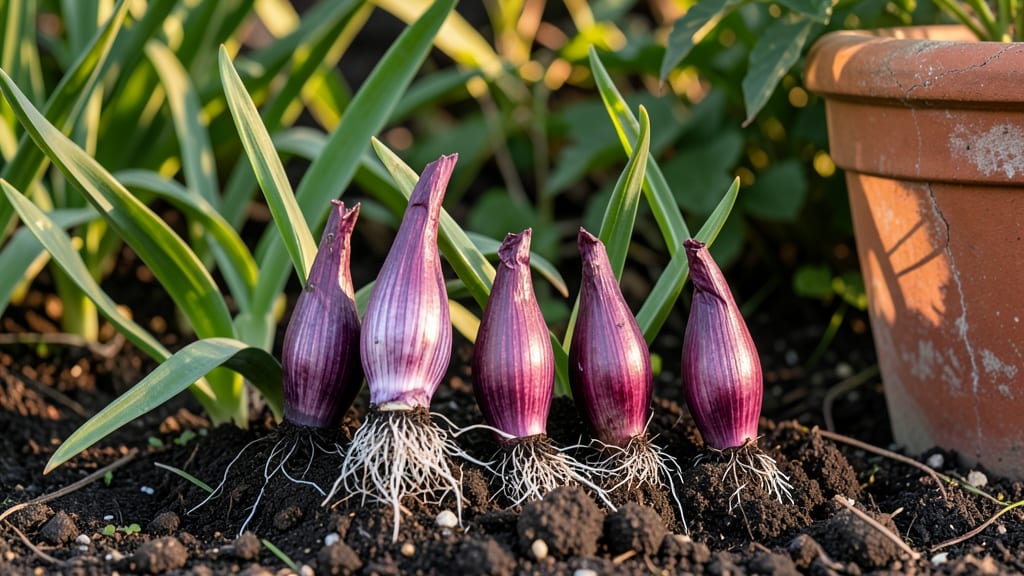
Planting purple lily bulbs transforms your garden into a jewel-toned dream. ✨ These bold blooms stand out against any backdrop, but getting them started right means choosing the right bulbs, timing, and soil. My first attempt ended in disappointment—until I learned the secrets to happy lilies.
You’ll need well-draining soil, a sunny spot, and patience for their slow start. Purple lilies thrive in 6+ hours of sunlight daily and prefer soil with a pH of 6.0-7.0.
Plant bulbs 6-8 inches deep in early fall for spring blooms, or late winter for summer flowers. The key? Don’t overwater—they hate soggy roots.
By mid-summer, you’ll see striking purple trumpets rising above the foliage, drawing bees and butterflies. These bulbs multiply over time, so one planting can become a stunning display for years. Just watch for lily beetles—their larvae can devastate new shoots.
Perfect for borders, containers, or cutting gardens, purple lilies add drama with minimal fuss. Here’s how to keep them thriving season after season—no black thumb required.
📚 In This Guide
- What you need
- Instructions
- Tips and common mistakes
- Wrapping up and next steps
What you need
- ● Purple lily bulbs: 3–5 bulbs per pot (or spaced 12–24 inches apart in garden beds). Choose Lilium regale or Lilium 'Purple Pride' for vibrant blooms.
- ● Well-draining potting mix: 2–3 gallons (for containers) or loamy garden soil amended with compost (for in-ground planting). Avoid heavy clay.
- ○ Containers (optional but handy): Pots with drainage holes, 10–12 inches in diameter (for each bulb cluster). Terracotta or fabric pots work best.
- ● Slow-release fertilizer: 1–2 tbsp of 10-10-10 or bulb-specific fertilizer per pot/planting hole.
- ● Mulch: 2–3 inches of shredded bark or straw to retain moisture and regulate soil temp.
- ● Watering can or hose with gentle spray: Lilies hate soggy roots—aim for deep but infrequent watering.
- ● Garden trowel or bulb planter: For digging holes 6–8 inches deep (twice the bulb’s height).
- ○ Gloves (optional but recommended): Lilies can irritate skin—wear them when handling bulbs or soil.
- ● Measuring tape or ruler: To ensure proper spacing (12–24 inches apart for garden beds).
- ● Pruners (for later): To trim spent blooms and encourage reblooming.
- ● Sunlight: A spot with 6+ hours of direct sun daily. Partial shade may reduce blooms.
- ● Soil pH: Slightly acidic to neutral (6.1–7.0). Test your soil or amend with lime if needed.
- ● Patience: Bulbs take 8–12 weeks to sprout and bloom—plan ahead!
Step-by-step guide to planting purple lily bulbs for stunning blooms
Here's how to grow vibrant purple lilies with healthy, long-lasting flowers—no gardening experience needed.
🌱 Step 1: Choose the Right Location and Prepare the Soil
Purple lilies thrive in full sun—select a spot that receives at least 6-8 hours of direct sunlight daily. They tolerate partial shade but will produce fewer blooms. Avoid low-lying areas where water pools, as soggy soil causes bulb rot.
Loosen the soil to a depth of 12 inches using a garden fork or tiller. Amend heavy clay soil with 2-3 inches of compost to improve drainage. Purple lilies prefer well-draining, slightly acidic soil with a pH between 6.1 and 7.0. Test your soil if possible—you can adjust pH with sulfur (to lower) or lime (to raise).
🪴 Step 2: Plant Bulbs at the Correct Depth and Spacing
Plant purple lily bulbs in early spring, about 2-4 weeks before your last frost date. Dig holes 3-4 times deeper than the bulb’s height—typically 6-8 inches deep. Space bulbs 12-24 inches apart, depending on the variety (larger bulbs need more room).
Place each bulb in the hole with the pointed end facing upward. Cover with soil and press lightly to eliminate air pockets. Water deeply after planting to settle the soil and encourage root growth. Mulch with 2-3 inches of organic mulch (like shredded bark) to retain moisture and regulate soil temperature.
☀️ Step 3: Water and Fertilize for Healthy Growth
Water newly planted bulbs once a week during the first growing season, providing 1 inch of water per week. Once established, lilies are drought-tolerant but will produce more blooms with consistent moisture. Water at the base of the plant in the morning to reduce fungal diseases.
Apply a balanced, slow-release fertilizer (10-10-10) at planting time, then again in early spring when shoots emerge. Avoid high-nitrogen fertilizers—they encourage leafy growth at the expense of flowers. Purple lilies also benefit from a low-phosphorus, high-potassium fertilizer (like 5-10-10) in late spring to support bloom production.
✂️ Step 4: Prune and Care for Long-Lasting Blooms
Deadhead spent blooms by cutting the flower stalk just above the first set of leaves to redirect energy to new growth. This encourages more blooms and keeps the plant tidy. Avoid cutting back foliage until it turns yellow naturally—this process feeds nutrients back into the bulb for next year’s flowers.
Watch for pests like lily beetles or aphids, which can damage leaves and flowers. Handpick beetles or spray with neem oil for organic control. Divide clumps every 3-4 years in early fall to prevent overcrowding. Lift bulbs, separate offsets, and replant them in fresh soil to maintain vigor.
⏰ Step 5: Prepare for Winter and Next Season’s Blooms
In late fall, cut back the foliage to 2-3 inches above the ground once it turns yellow. Leave the mulch in place to insulate the bulbs over winter. Purple lilies are hardy in USDA zones 3-9, but in colder climates, add an extra 3-4 inches of mulch for protection.
Plan to fertilize again in early spring before new shoots appear. This jump-starts growth and ensures vibrant blooms the following season. With proper care, your purple lilies will return year after year, rewarding you with bold, show-stopping flowers.
Tips & tricks for perfect purple lily planting
These simple yet powerful strategies will help you avoid common pitfalls and maximize your purple lily blooms from the very first season.
Sunlight Strategy: While 6-8 hours of sunlight is ideal, morning sun with afternoon shade works better in extremely hot climates. The key is avoiding the intense midday sun that can stress the bulbs—especially in zones 8-9 where temperatures often exceed 90°F. I've seen purple lilies thrive in these conditions when planted near deciduous trees that provide natural shade during peak afternoon heat.
Soil Preparation Secret: That 2-3 inches of compost recommendation is non-negotiable for heavy clay soils, but don't overlook the importance of breaking up compaction to the full 12-inch depth. I use a garden fork to gently loosen the soil in concentric circles around each planting hole—this creates better root pathways while preventing soil compaction that can restrict water flow. Think of it as creating a "root highway" for your bulbs.
Planting Depth Visual: The "3-4 times deeper than bulb height" guideline can be tricky to visualize. For most purple lily bulbs (typically 2-3 inches tall), this means planting at 6-8 inches deep. Here's my trick: Use a wooden dowel or pencil to mark the planting depth on your trowel—this ensures consistent depth across multiple bulbs and prevents the common mistake of planting too shallow, which can expose bulbs to temperature fluctuations.
Mulch Layering: That 2-3 inch organic mulch layer serves multiple purposes beyond moisture retention. I recommend using shredded bark or straw because they break down slowly while improving soil structure over time. In colder climates, I double this layer (4-6 inches) in winter—this creates an insulating blanket that protects bulbs from freeze-thaw cycles that can damage emerging shoots in early spring.
Pro Tips for Purple Lily Bulbs
- These simple yet powerful strategies will help you avoid common pitfalls and maximize your purple lily blooms from the very first season.
- Sunlight Strategy: While 6-8 hours of sunlight is ideal, morning sun with afternoon shade works better in extremely hot climates.
- Soil Preparation Secret: That 2-3 inches of compost recommendation is non-negotiable for heavy clay soils, but don't overlook the importance of breaking up compaction to the full 12-inch depth.
Frequently asked questions
Got questions about purple lily bulbs? You’re not alone!
Here are the most common queries—plus clear, actionable answers to help you grow stunning blooms with confidence.
1. When is the best time to plant purple lily bulbs?
Plant them in early spring (after the last frost) or late summer/fall (6-8 weeks before the first frost). Lilies love well-draining soil and full sun—just dig bulbs 6 inches deep and 6 inches apart for optimal spacing. Pro tip: If planting in fall, cover bulbs with mulch to protect them from harsh winter temps.
2. How long do purple lily bulbs take to bloom?
With patience, you’ll see blooms in 60-90 days after planting—usually mid-to-late summer. For year-round color, plant multiple varieties with staggered blooming times (e.g., ‘Stargazer’ lilies bloom early, while ‘Casa Blanca’ bloom later). Fun fact: Some lilies rebloom if given proper care!
3. Can I grow purple lilies in containers?
Use a large pot (at least 12 inches deep) with drainage holes and a mix of potting soil + perlite. Place the container in full sun and fertilize monthly during the growing season. Just be ready to divide bulbs every 2-3 years to prevent overcrowding. Bonus: Container lilies are perfect for patios or balconies!
4. Why aren’t my purple lily bulbs blooming?
Common culprits include:
- Too much shade: Lilies need 6+ hours of sun daily.
- Poor soil: Amend with compost or organic matter for nutrients.
- Overwatering: Let soil dry slightly between waterings.
- No fertilizer: Use a balanced bulb fertilizer in spring.
5. Are purple lilies toxic to pets?
Yes! All lily varieties (including purple lilies) are toxic to cats and dogs if ingested. Symptoms include vomiting, drooling, or lethargy. Keep pets away from plants and bulbs, and contact a vet immediately if exposure occurs. Safe alternative: Try daylilies or dahlias for pet-friendly color!
Wrapping up and next steps
Growing purple lily bulbs is a rewarding way to add drama and color to your garden—whether you're a seasoned gardener or just starting out! 🌸 With the right soil, sunlight, and care, these stunning blooms will thrive and bring joy for years.
Ready to take the next step? Plant your bulbs this fall and watch your garden transform into a vibrant masterpiece next spring!
For extra inspiration, explore companion plants or creative container ideas to elevate your lily display. Happy gardening! 🌱