
Pests
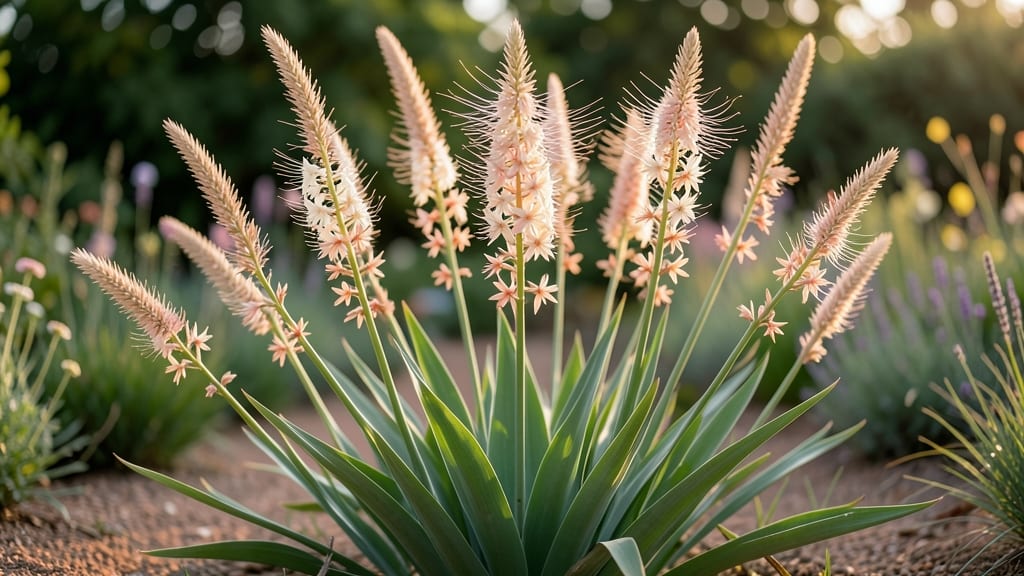
Tired of rabbits turning your garden into a buffet? These 10 rabbit-proof bulbs thrive even when deer and rabbits are raiding your yard—no fences or repellents required.
Daffodils with Fritillary Petals
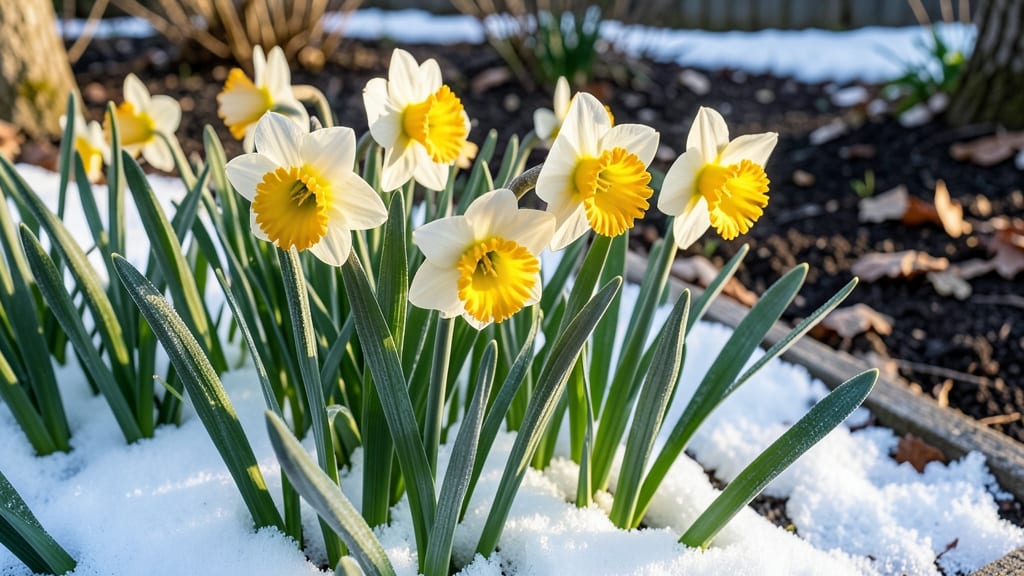
When you need bold, early blooms that rabbits won’t touch, daffodils with fritillary petals are your secret weapon. These striking varieties—like 'Jack Snipe' or 'Minnow'—force through snow, multiply aggressively, and thrive in high-traffic garden edges where other plants would be trampled.
The key to their rabbit resistance lies in their toxic alkaloids, which make fresh foliage unappetizing to nibblers. Plant them in full sun to partial shade and watch them spread naturally over time, creating a dense carpet that rabbits avoid. Their frilled petals add dramatic flair to spring borders, and they bloom just as other bulbs are still dormant.
Perfect for beginners or busy gardeners, these daffodils require minimal care while delivering maximum impact—no fences or repellents needed. 🌻
Allium Purple Globe
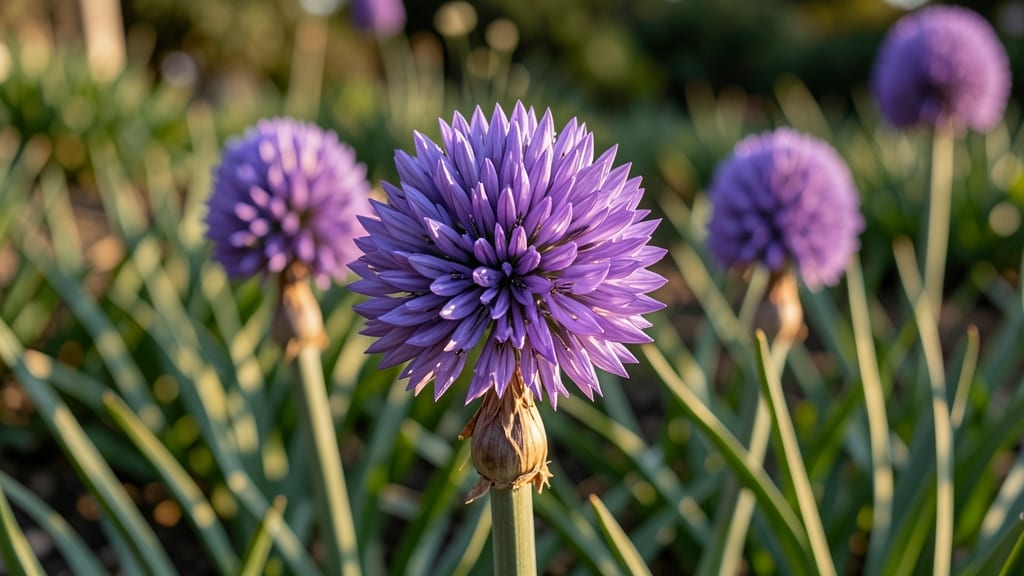
If you’re struggling to protect your pollinator garden from rabbit raids, Allium Purple Globe is your secret weapon. This striking bulb produces globe-shaped blooms that rabbits instinctively avoid due to their intense onion-like scent, making it a natural deterrent without harsh chemicals.
Plant these bulbs in full sun to partial shade for best results, and they’ll reward you with dramatic purple spheres that attract bees, butterflies, and other pollinators. The grassy foliage stays tidy, and the bulbs multiply over time, creating dense clumps that rabbits won’t bother digging up. Perfect for borders, cottage gardens, or even containers.
Urban gardeners and pollinator enthusiasts will love how Allium Purple Globe doubles as both a rabbit repellent and a magnet for beneficial insects. 🌿
Snowdrops Galanthus Elwesii
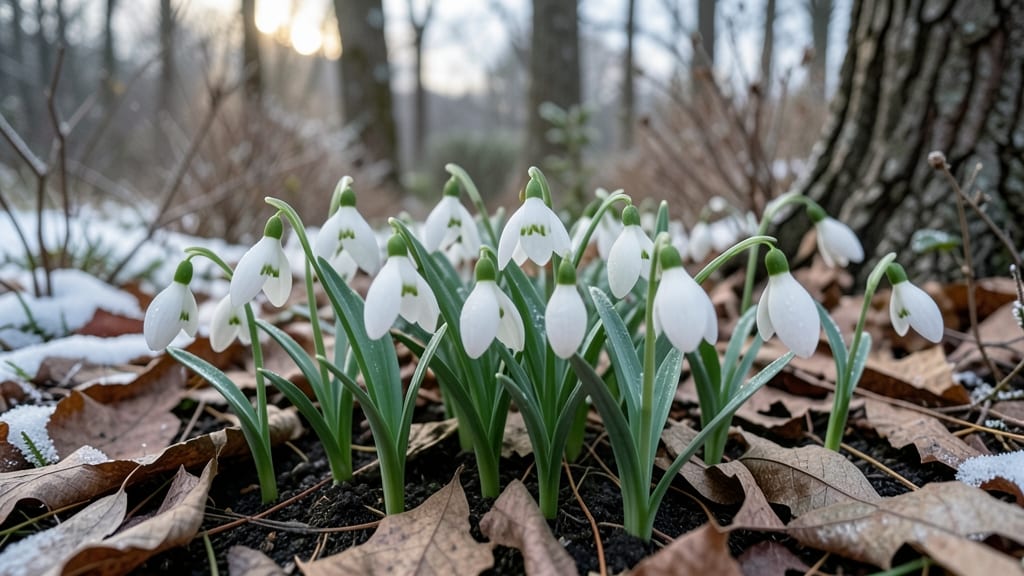
When winter’s chill keeps rabbits hunkered down, Galanthus elwesii emerges as a silent guardian of your garden. These hardy snowdrops bloom in late winter—when rabbits are least active—while their mild toxicity makes them unappealing even when nibbled.
Plant them in woodland garden edges or under deciduous trees where they thrive in partial shade. Their delicate white flowers appear before spring bulbs, offering early color and a natural barrier. For best results, mulch with leaf litter to protect dormant bulbs from frost heaves and encourage natural spreading.
Perfect for gardeners who want year-round interest with minimal effort, these snowdrops reward patience with reliable blooms. 🌱
Crocus Vernus Purple
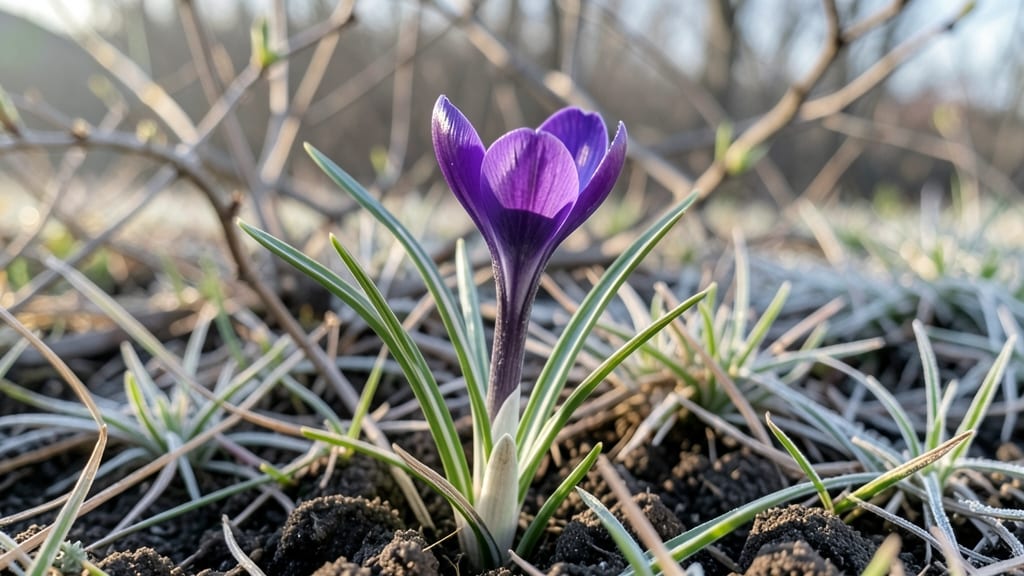
When rabbits start munching your spring garden before it even blooms, Crocus vernus 'Purple' becomes your secret weapon. This early spring bloomer emerges when most other plants are still dormant, offering vibrant purple flowers that rabbits instinctively avoid due to their bitter taste.
Plant them in large drifts (20+ bulbs) to create a dense ground cover that rabbits won't penetrate, effectively blocking access to more vulnerable plants behind them. They thrive in full sun to partial shade and prefer well-draining soil—ideal for rocky or sandy areas where other bulbs struggle.
Perfect for gardeners with early spring rabbit problems, these crocuses also naturalize beautifully, multiplying each year for a low-maintenance purple carpet. 🌷
Muscari Armeniacum (Grape Hyacinth)
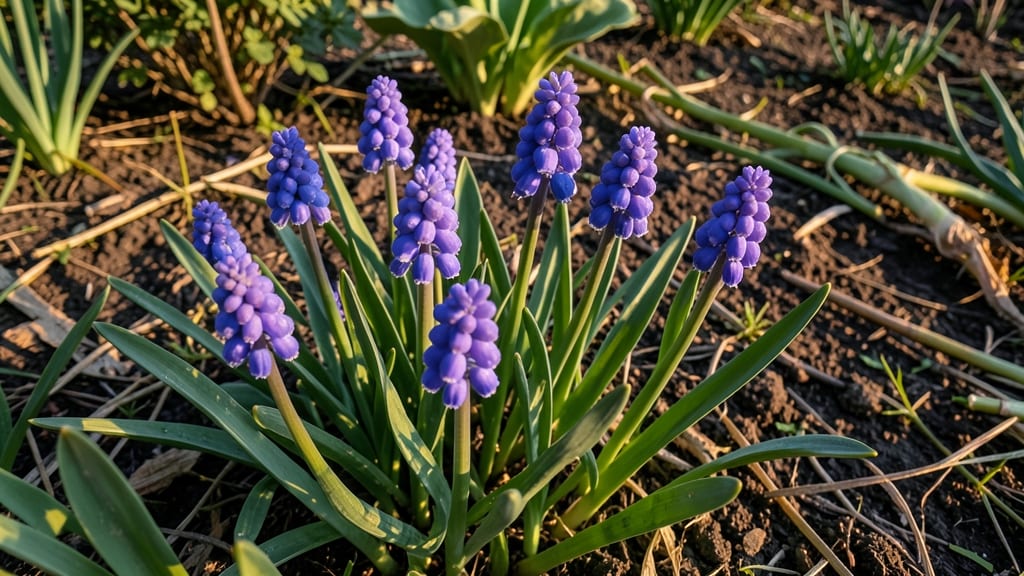
If you’re battling rabbits that turn your borders into grazing zones, Muscari armeniacum (Grape Hyacinth) is your secret weapon. Its intoxicating grape-like fragrance isn’t just charming to humans—it confuses and repels rabbits while luring in pollinators like bees and butterflies.
This hardy bulb thrives in full sun to partial shade and tolerates a wide range of soils, making it low-maintenance for gardeners. Plant it in clusters along garden edges where rabbits typically nibble, and its vibrant blue spherical blooms will create a striking visual contrast. The scent peaks in early spring, just when rabbits are most active.
Perfect for cottage gardens, pollinator-friendly borders, or even containers, Grape Hyacinth adds both beauty and protection. 🌿
Tulipa Clusiana (Lady Tulip)
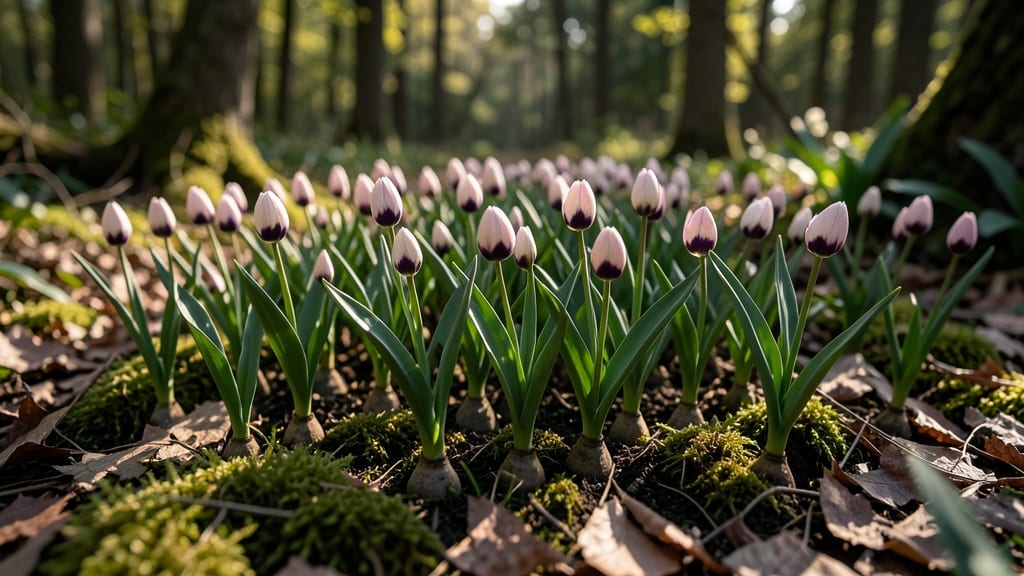
Looking for a rabbit-resistant ground cover that won’t sacrifice beauty for durability? Meet Tulipa Clusiana, also known as the Lady Tulip—a tiny powerhouse that packs a bitter punch rabbits can’t stomach.
This compact bulb thrives in partial shade, making it perfect for under trees or along shady borders where rabbits typically avoid. Its delicate marbled blooms appear in early spring, creating a lush carpet of color that spreads naturally over time. Unlike many bulbs, Lady Tulips multiply easily, forming dense clusters that rabbits bypass entirely.
Ideal for gardeners who want low-maintenance ground cover without the risk of losing plants to pests, these bulbs also tolerate a range of soil types. Plant them in groups for maximum impact and watch your garden stay rabbit-free. 🌱
Fritillaria Imperialis (Crown Imperial)
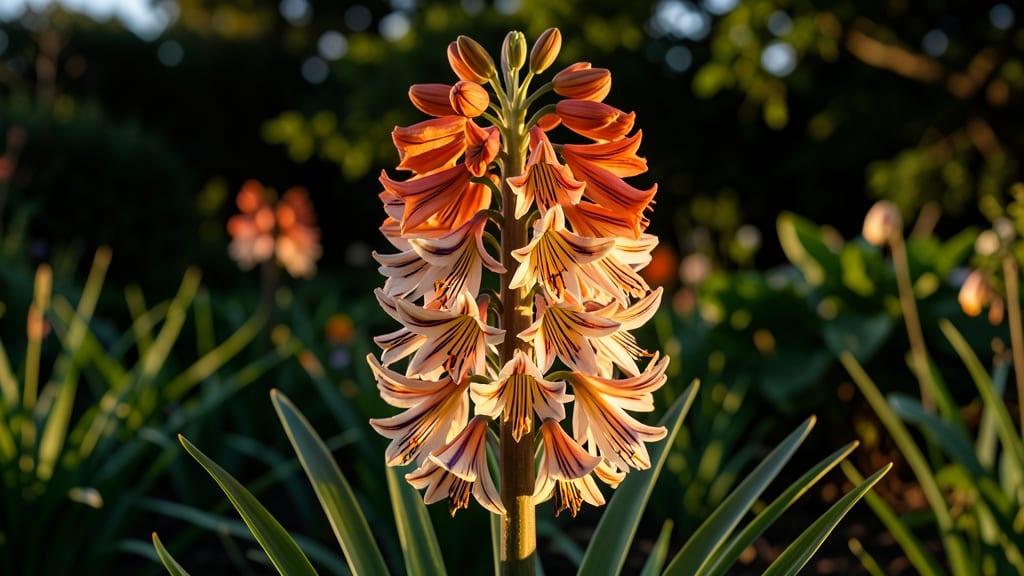
Want a dramatic, rabbit-proof centerpiece that screams "look at me!" without the pest damage? Fritillaria imperialis (Crown Imperial) delivers with its striking bell-shaped blooms in fiery oranges, creamy whites, and bold stripes—all while being highly toxic to rabbits and deer.
These sun-loving giants (reaching 2-3 feet tall) thrive in full sun and well-drained soil, making them perfect for statement planting along pathways or against dark foliage. Plant bulbs in fall, 6 inches deep, and watch them emerge in late spring with minimal fuss. Their fragrant, nodding flowers add vertical drama while their toxicity keeps critters away.
Ideal for gardeners who crave bold impact without the upkeep, Crown Imperials reward patience with years of striking blooms—no rabbit repellents needed! 🌻
Scilla Siberica (Siberian Squill)
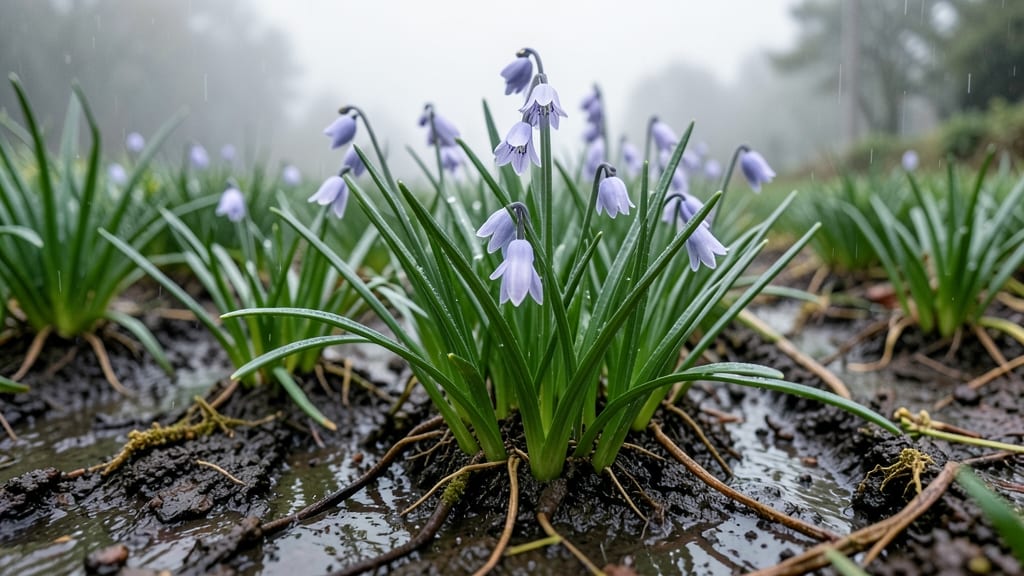
Struggling to grow bulbs in soggy soil where other plants give up? Scilla Siberica (Siberian Squill) thrives where rabbits won’t even bother digging—making it perfect for rain gardens, pond edges, or areas with poor drainage.
This hardy bulb tolerates wet soil conditions that would rot most spring bloomers, while its subtle blue star-shaped flowers add early-season color. Plant in partial shade where moisture lingers, and enjoy year-round foliage that rabbits ignore completely. The key is its resilience—it multiplies easily and naturalizes over time.
Ideal for gardeners with wet spots or those who want low-maintenance ground cover that rabbits skip. 💚
Hyacinthus Orientalis (Dutch Master)
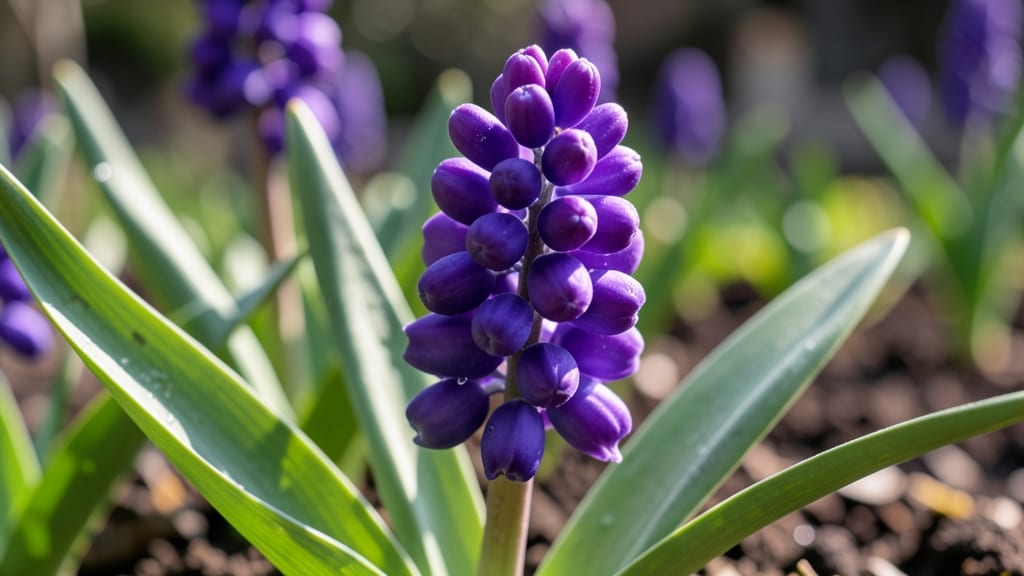
Want a fragrant spring display that rabbits won’t touch? Hyacinthus Orientalis 'Dutch Master' delivers bold, deep purple blooms with a scent so strong it naturally deters nibbling pests while filling your garden with intoxicating aroma.
This variety thrives in full sun to partial shade and prefers well-drained soil, making it perfect for containers or garden beds. Plant 10-15 bulbs together in early fall for a dramatic, rabbit-resistant focal point that blooms in late spring. The dense clusters create visual impact while their fragrance keeps rabbits at bay.
Ideal for gardeners who want both beauty and protection, these hyacinths are especially effective in urban gardens where space is limited but rabbits are plentiful. 🌷
Eremurus (Foxtail Lily)

If you crave dramatic height in your garden but dread rabbit damage, Eremurus (Foxtail Lily) is your secret weapon. These towering beauties—reaching 4 to 6 feet tall—produce feathery spikes that rabbits simply ignore, leaving your late-spring to summer display untouched.
Plant Eremurus in well-drained soil with full sun (6+ hours daily) for the best results. Their grassy, clumping foliage dies back after blooming, making them low-maintenance stars in cottage gardens or mixed borders. The fuzzy seed heads add texture long after the flowers fade, and their drought tolerance means less watering once established.
Perfect for gardeners who love bold vertical accents without the fuss, Eremurus thrives in USDA zones 4-9 and multiplies over time. 🌻