
Light Requirements
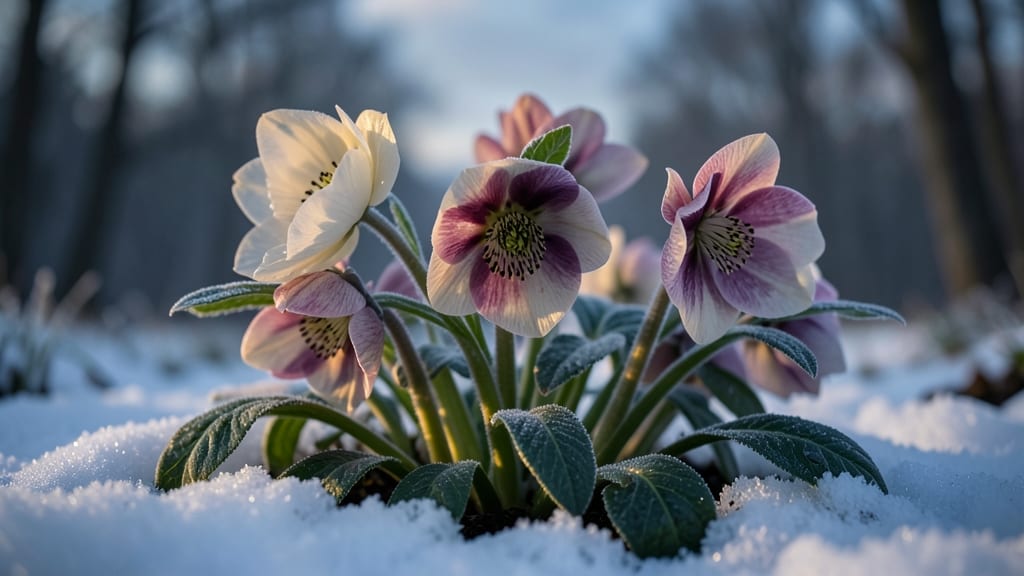
Dark corners and shady woodland gardens don’t have to be dull. These 10 shade-tolerant bulbs bloom in low-light conditions, delivering vibrant color from early spring through late fall—even under dense tree canopies.
Snowdrops for Early Winter Blooms
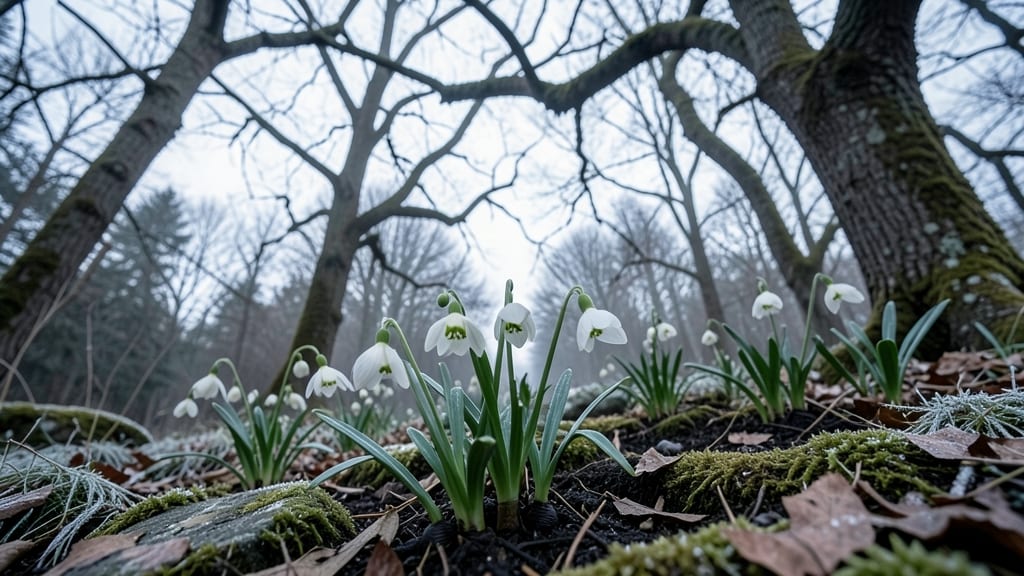
When your garden feels like a forgotten winter landscape, snowdrops arrive like a whisper of hope—often blooming in December or January before most plants even stir. These delicate Galanthus bulbs thrive in deep shade, making them perfect for woodland gardens or under dense tree canopies where other plants refuse to grow.
Plant them in well-draining soil with a sprinkle of compost, and they’ll naturalize beautifully over time, forming colonies that spread effortlessly. Their fragrant, nodding flowers add a touch of elegance, and they’re deer-resistant—ideal for problem areas. For best results, plant bulbs in fall (September-October) at a depth of 2-3 inches and space them 3-4 inches apart.
Perfect for gardeners who love low-maintenance beauty and want to brighten dark corners early, snowdrops reward patience with year-round interest—even their foliage stays attractive until summer. 🌱
Crocus for Late Winter Color
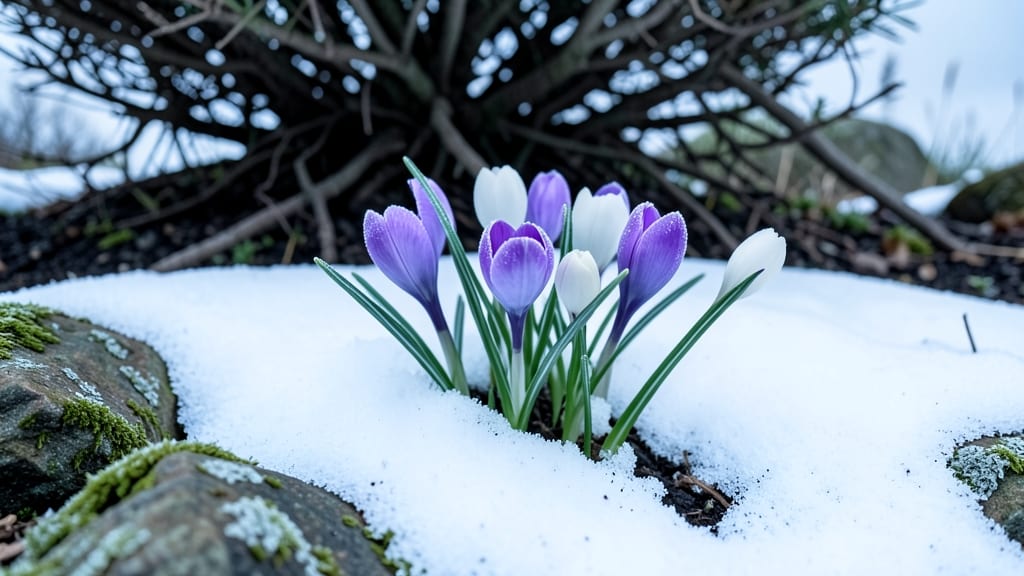
When winter still clings to your garden, crocus bulbs burst through snow with vibrant purple or white blooms, offering a splash of color before spring arrives. These hardy, compact plants thrive in minimal sunlight, making them perfect for rock gardens or under shrubs where other plants struggle.
Plant crocus bulbs in fall, 3-4 inches deep, in well-draining soil with partial to full shade. They require little maintenance—just ensure the soil stays moist until roots establish. Varieties like Crocus tommasinianus (purple) or Crocus vernus (white) bloom early, often while snow still lingers.
Ideal for urban gardeners and small-space enthusiasts, crocus adds instant cheer to dark corners. Their early blooms also signal spring’s arrival, making them a favorite for pollinators. 🌷
Bleeding Heart for Woodland Elegance
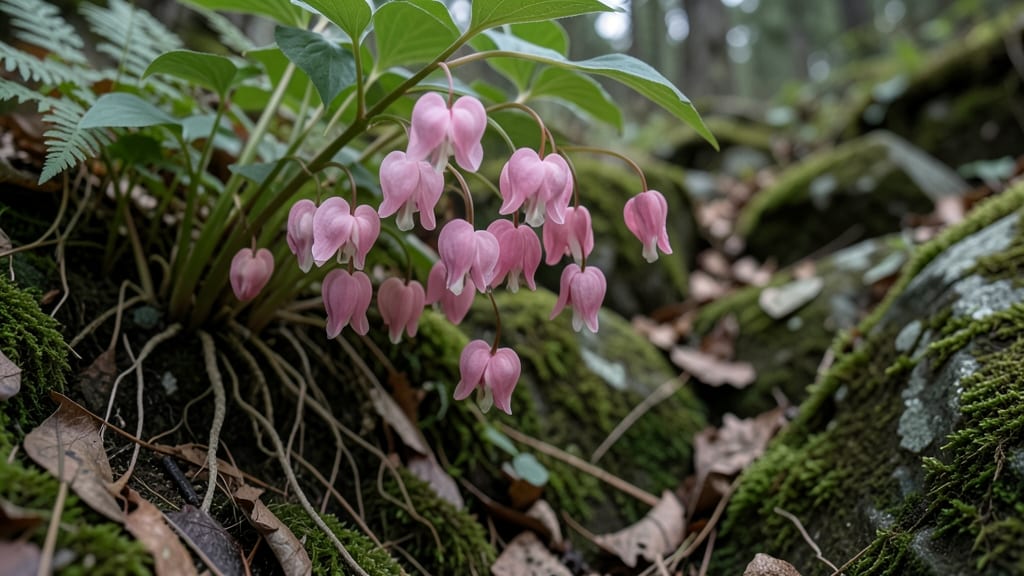
If you’ve ever struggled to find plants that thrive in deep shade, bleeding heart (Dicentra spectabilis) is your secret weapon. Unlike true bulbs, this tuberous root plant thrives where sunlight barely reaches, producing delicate, heart-shaped flowers that cascade like pink waterfalls in spring.
Plant the tubers in moist, well-draining soil enriched with organic matter, and place them in partial to full shade. They’ll reward you with 2-3 weeks of blooms in spring, followed by lush foliage that adds texture to shady borders. While not perennial in hot climates, they self-seed reliably in cooler regions.
Perfect for woodland gardeners or those with dark corners, bleeding heart adds romantic elegance without demanding full sun. Pair it with ferns or hostas for a dreamy understory effect. 💚
Glory of the Snow for Late Winter Drama
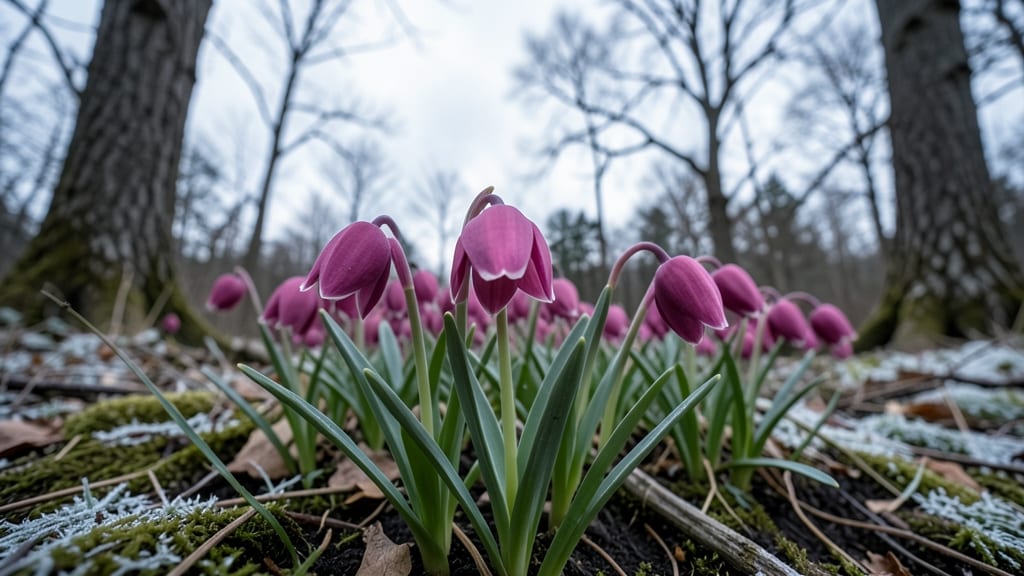
When winter still clings to the landscape, Glory of the Snow (Chionodoxa luciliae) bursts onto the scene with its deep pink, bell-shaped blooms that nod gracefully in the breeze. These early risers emerge in late winter, often before tree leaves even appear, creating a stunning contrast against snow or bare branches.
This drought-tolerant bulb thrives in partial to full shade, making it perfect for understory planting or north-facing beds where sunlight is scarce. Plant bulbs 3-4 inches deep in well-draining soil, and enjoy their 3-4 week display in February or March. They naturalize beautifully over time, spreading to form cheerful carpets of color.
Early-season gardeners will love this bulb for its bold winter drama—it’s the perfect way to brighten up shady spots before spring arrives. 🌷
Lungwort for Medicinal Beauty
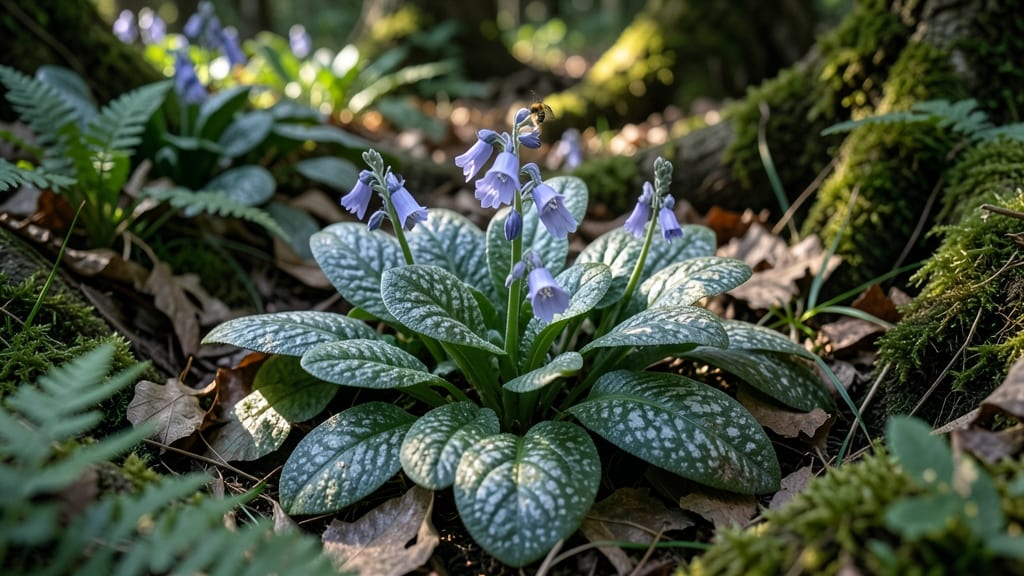
Looking for a shade-tolerant bulb that doubles as both a pollinator magnet and a medicinal powerhouse? Meet lungwort (Pulmonaria), a standout perennial with silver-spotted foliage that turns green in spring and delicate blue-purple flowers that bloom early to feed bees before other plants wake up.
Unlike many bulbs that wilt in damp, shady spots, lungwort thrives in moist, well-drained soil—making it perfect for woodland gardens, understory plantings, or even rain gardens. Its long bloom season (March–May) provides early color when few other plants are flowering, and the spotted leaves add textural interest year-round. Simply divide clumps every 3–4 years to keep plants vigorous.
This versatile plant is ideal for beginner gardeners and ecological landscapers alike, offering both beauty and functionality. Try pairing it with other shade-loving perennials like bleeding heart or heuchera for a layered, pollinator-friendly display. 💚
Toad Lily for Summer Humidity Lovers
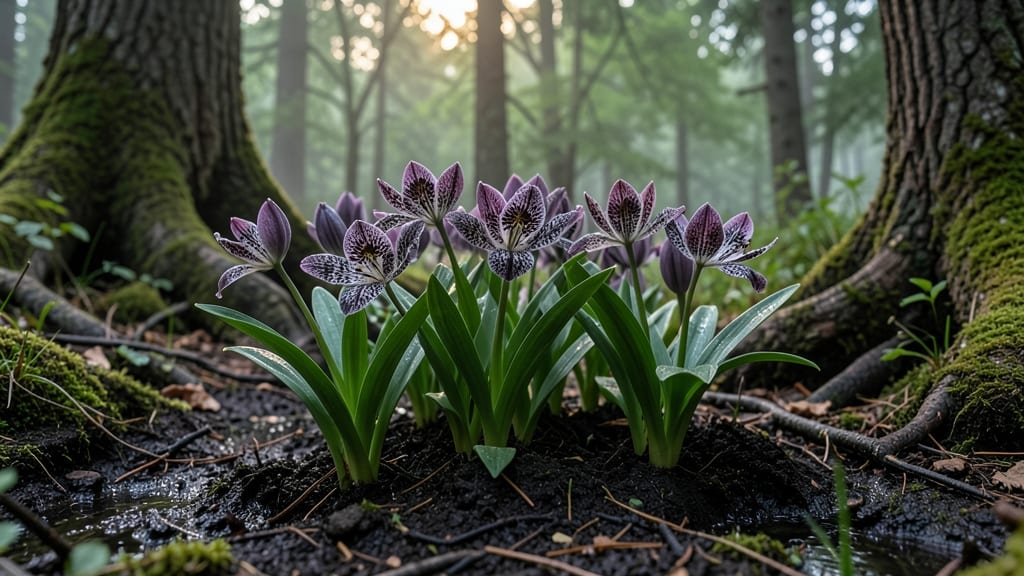
If your garden has moist, shady spots that feel like forgotten corners, toad lilies (Tricyrtis spp.) are your secret weapon. These underrated gems thrive where most bulbs would wilt, flourishing in consistently damp soil under large trees or in bog gardens.
With their bold, spotted blooms in deep purple, pink, or white, toad lilies bring a tropical vibe to dark corners—often blooming from midsummer through fall when other shade plants have faded. Plant the rhizomes in well-draining but moist soil, 2–3 inches deep, and space them 6–12 inches apart for a lush, layered effect. Their spotted foliage adds texture year-round, even after flowers fade.
Perfect for gardeners with humid climates or shady microclimates, toad lilies reward patience with months of drama. Pair them with ferns or hostas for a woodland retreat that feels alive and vibrant. 🌿
Sweet Woodruff for Fragrant Ground Cover
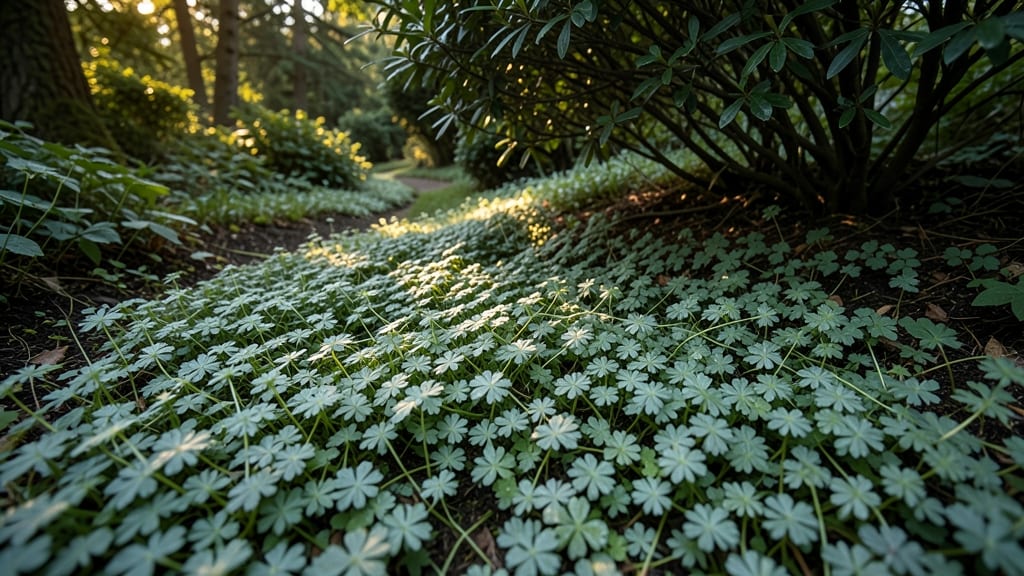
Tired of shady spots that feel like dead zones in your garden? Sweet woodruff transforms those forgotten areas into fragrant, weed-suppressing carpets with almost no effort. This charming ground cover thrives in partial to full shade, making it ideal for pathways, under shrubs, or as a living mulch to block weeds naturally.
With its delicate white spring flowers and sweetly scented foliage (especially when crushed), sweet woodruff spreads gently to create a lush, green mat. Plant it in moist, well-draining soil and watch it self-seed over time, creating a low-maintenance, fragrant solution for shady corners. It’s perfect for gardeners who want beauty without the upkeep.
This versatile plant works beautifully in woodland gardens, understory plantings, or even as a fragrant path border. Once established, it requires minimal care, making it a favorite for busy gardeners or those with challenging shade spots. 🌿
Japanese Iris for Bold Shade Statements
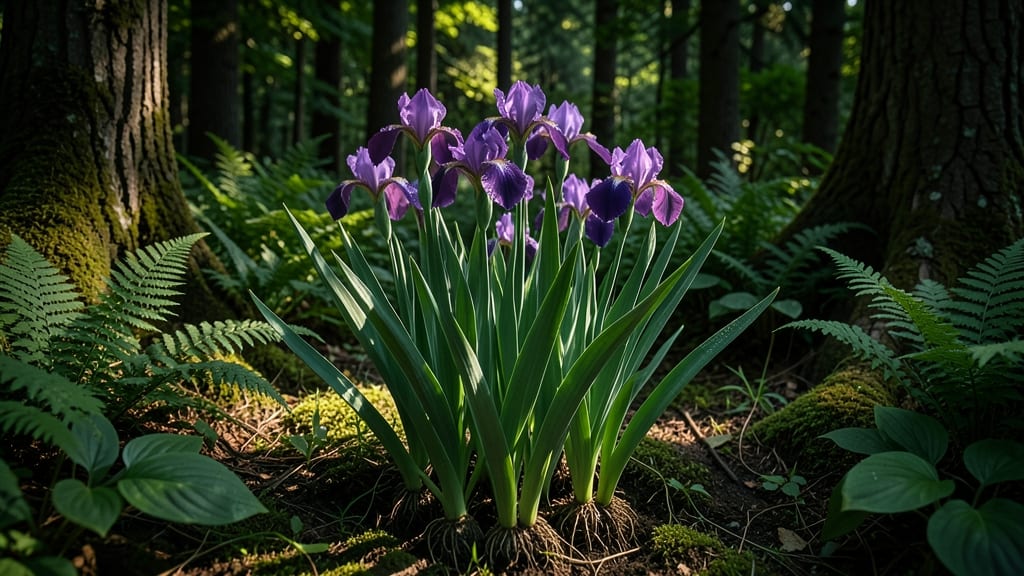
Want to transform a dull, shady corner into a striking focal point? Japanese iris delivers bold drama with its sword-like foliage and vibrant purple blooms, thriving where most shade plants falter. Unlike delicate woodland flowers, these perennials make a statement with their architectural form and long-lasting flowers.
Plant Japanese iris in partial shade (3-6 hours of sunlight) with consistently moist, well-draining soil—ideal for containers, rain gardens, or understory beds. Their clumping habit creates natural texture, while blooms appear in late spring to early summer. For best results, divide clumps every 3-4 years to maintain vigor and prevent overcrowding.
Perfect for gardeners who love high-impact plants with minimal fuss, Japanese iris adds year-round structure with its evergreen foliage. Urban gardeners with limited space will appreciate how well it performs in containers. 🌻
Solomon’s Seal for Graceful Arches
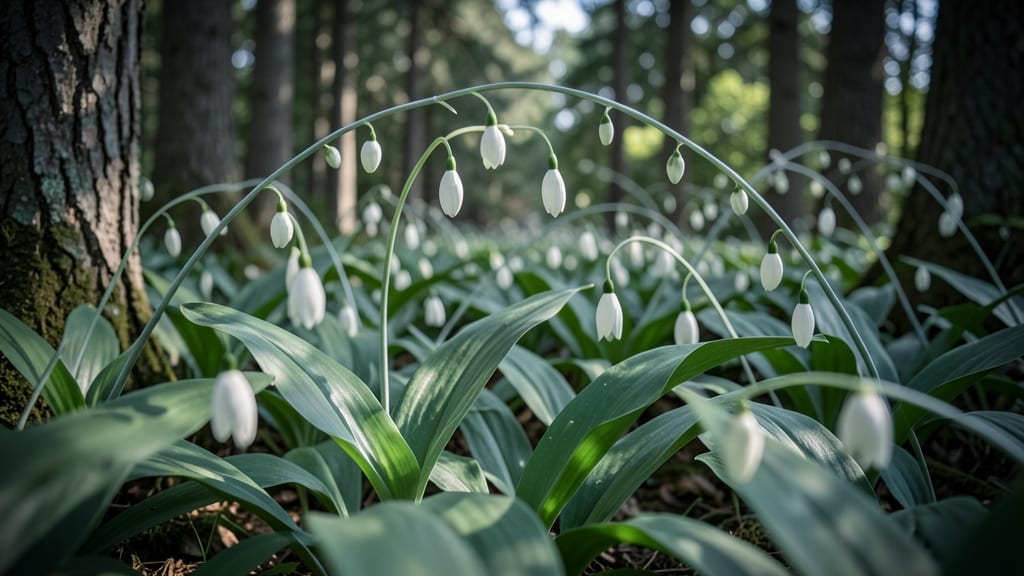
Transform your shady garden into a lush, textured retreat with Solomon’s seal (Polygonatum), a perennial with arching stems that weave through woodland gardens like natural tapestry. Unlike traditional bulbs, its dangling white flowers and glossy leaves create vertical movement, perfect for softening harsh edges or framing pathways.
This shade-lover thrives in moist, well-draining soil under dappled light—ideal for planting beneath deciduous trees where other bulbs struggle. Its late spring to early summer blooms provide nectar for pollinators, while the foliage remains attractive until fall. Divide clumps every 3-4 years to maintain vigor, and watch it spread gracefully over time.
Perfect for gardeners seeking low-maintenance elegance, Solomon’s seal works beautifully alongside hostas or ferns. Its year-round interest makes it a standout for woodland gardeners or anyone craving drama without the fuss. 💚
Hellebores for Winter-to-Spring Blooms

When your garden feels like a forgotten winter wonderland, helleborus (hellebores) step in as the unsung heroes—blooming when most plants are still dormant. These Lenten roses push through snow and frost to deliver delicate blooms in shades of white, pink, and even deep purple, proving that shade gardens can be just as vibrant as sunlit ones.
Unlike other shade-loving bulbs, hellebores thrive in deep, dry shade where even ferns struggle, making them perfect for understory planting or north-facing beds. Their leathery, evergreen foliage provides year-round interest, while their late-winter to early-spring flowers attract early pollinators. Simply plant the corms 3-4 inches deep in well-draining soil and water occasionally—they reward patience with decades of effortless blooms.
These are the ideal choice for gardeners who want low-maintenance color without sacrificing style. Whether tucked into woodland gardens or containerized for patios, hellebores bring life to the darkest corners. 💚