
Plants
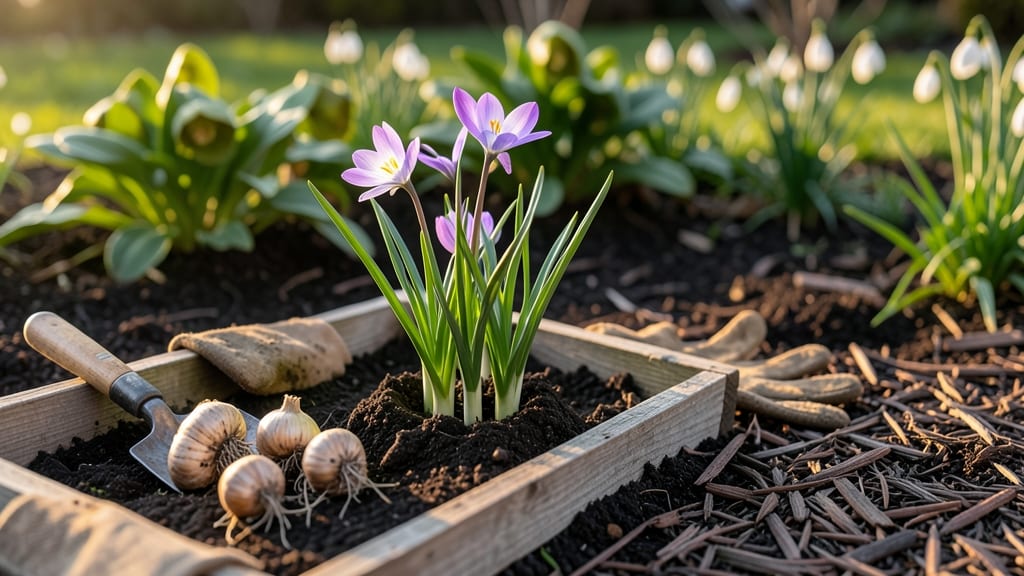
You can plant crocus bulbs in the spring, but the results depend on your climate and how bold you’re willing to be with timing.
If you’ve ever spotted those cheerful crocus blooms poking through snow and wondered whether you can plant their bulbs in spring, the answer isn’t as straightforward as you’d think.
While spring planting is possible, it often leads to delayed blooms or weaker plants—unless you live in a mild-winter zone like 6a or later. The key is understanding the trade-offs and adjusting your approach.
Most gardeners swear by fall planting, when crocus 🌷 bulbs get a head start on root growth before winter. But spring planting can work if you choose the right varieties, prepare the soil carefully, and accept that blooms may arrive later—or not at all.
For those who miss the fall window, there are still ways to coax those vibrant flowers into your garden.
Below, I’ll break down when spring planting might succeed, how to maximize your chances, and what alternatives—like forcing bulbs indoors—could be even easier. Whether you’re a last-minute planter or just curious, you’ll find out how to turn spring into a second chance for crocus magic.


Spring crocus bulb planting: risks, rewards, and when it works
Crocus bulbs are famous for their early spring blooms, but their planting timing is often misunderstood. While most gardeners plant them in fall for spring flowers, spring planting is possible—though it comes with challenges.
The key lies in understanding your climate zone and the specific crocus varieties you're working with. Let’s break down why spring planting can work in certain situations, despite the risks.
The biggest challenge with spring planting is that crocus bulbs need a period of vernalization—a cold dormancy phase—to trigger flowering. Planting in spring skips this natural process, which can lead to delayed blooms or no flowers at all.
However, some late-blooming varieties or gardeners in mild-winter regions can still achieve success with careful timing and conditions.
For example, in USDA Zones 8-10, where winters are mild, spring planting can mimic the natural dormancy period better than in colder climates. Additionally, certain autumn-flowering crocus varieties, like Crocus speciosus, are more adaptable to spring planting because they bloom later in the season.
These exceptions make spring planting a viable option under the right circumstances.
⚠️ Spring Planting Risks: What You Must Know
Heat stress is the #1 enemy of spring-planted crocus bulbs. When planted too late, bulbs may rot before roots establish due to high soil temperatures. Even if they survive, blooms may be smaller or absent because the bulbs didn’t undergo proper dormancy.
Another risk is pests and diseases. Warm, moist spring soil attracts squirrels, rodents, and fungal pathogens that can damage or kill bulbs. Unlike fall planting, where bulbs benefit from winter’s natural pest deterrents, spring-planted bulbs are vulnerable from day one.
Pro Tip: If attempting spring planting, choose shady, well-draining spots and plant bulbs as soon as soil is workable (typically March-April in most regions). Mulch heavily to keep soil cool and moist.
Despite these risks, spring planting can yield rewards, especially if you’re working with late-season varieties or live in a region with cool springs. For instance, in Pacific Northwest gardens, where springs are damp and mild, crocus bulbs planted in early spring often thrive.
The key is to plant bulbs deep enough (4-5 inches) to protect them from temperature fluctuations and ensure they have access to moisture.
Another reward of spring planting is the opportunity to extend your blooming season. By planting bulbs in early spring, you might coax flowers to appear in late summer or early fall, filling a gap when many other perennials are dormant.
This is particularly useful for gardeners who want autumn color or are dealing with late-frost zones where spring blooms might be lost to frost.
To maximize success, focus on soil preparation and bulb selection. Amend your soil with compost or sand to improve drainage, as crocus bulbs hate soggy roots. Choose bulbs from a reputable supplier, as fresh, firm bulbs are more resilient to spring planting stresses.
Avoid bulbs that feel soft or shriveled, as these are more likely to fail.
Regional exceptions also play a huge role. In Southern California or Florida, where winters are rarely cold, spring-planted crocus bulbs can mimic their natural dormancy cycle. These regions often see year-round crocus growth if conditions are right.
Meanwhile, in Northern climates, spring planting is generally discouraged unless you’re forcing bulbs indoors for holiday blooms.
If you’re still unsure about spring planting, consider container gardening as a compromise. Planting crocus bulbs in pots allows you to control soil temperature and moisture more easily. You can even move containers to a shadier spot during heatwaves or bring them indoors if frost threatens.
This flexibility makes container planting a low-risk way to experiment with spring crocus.
Ultimately, the decision to plant crocus bulbs in spring depends on your local climate, bulb variety, and gardening goals. While it’s not the ideal method for most gardeners, the rewards—like extended blooming seasons or autumn color—can make it worth the effort.
Start small, monitor your bulbs closely, and don’t hesitate to adjust your approach based on what works best in your garden.
🌷
How to plant crocus bulbs in spring for fall blooms: step-by-step guide
Planting crocus bulbs in spring is unconventional but possible if you choose the right timing and conditions. Unlike their ideal fall planting, spring-planted croci may bloom later or produce fewer flowers. However, with proper care, you can still achieve fall blooms—just expect a delayed show.
The key is to mimic the natural dormancy cycle by planting early enough to let roots establish before summer heat sets in.
Before you begin, ensure your crocus bulbs are firm and free of soft spots or mold. If you’ve stored them in a cool, dry place, they’re ready to go. For best results, focus on late-spring planting (April to early May) in regions with mild summers.
In hotter climates, aim for spring planting in partial shade to reduce stress on the bulbs.
- 1 Choose the Right Location: Select a spot with well-draining soil and partial shade (especially in hot climates). Crocus thrives in full sun but may struggle with intense afternoon heat.
- 2 Prepare the Soil: Loosen the soil to a depth of 6 inches and mix in compost or sand if your soil is heavy or clay-like. This ensures proper drainage, which is critical for bulb health.
- 3 Plant at the Correct Depth: Dig holes 3-4 inches deep and space bulbs 3-4 inches apart. Place each bulb with the pointed end facing up—this ensures proper growth direction.
- 4 Water Thoroughly After Planting: Give the soil a deep watering to settle the bulbs and encourage root growth. Avoid overwatering, as waterlogged soil can cause rot.
- 5 Mulch Lightly: Apply a 1-inch layer of mulch (like straw or shredded leaves) to retain moisture and protect bulbs from extreme temperatures. Remove mulch in late summer to allow soil to cool.
- 6 Monitor for Pests: Keep an eye out for squirrels or rodents, which may dig up newly planted bulbs. Use chicken wire or a light mesh if needed.
- 7 Be Patient for Fall Blooms: Spring-planted croci may take 1-2 years to bloom. If they do, expect fewer flowers than fall-planted bulbs, but with proper care, they’ll reward you with vibrant spring or fall blooms in future seasons.
If your crocus bulbs fail to bloom in the first year, don’t panic. They’re likely focusing on root establishment. In USDA Zone 6a or warmer, spring-planted bulbs may even produce fall blooms if given enough time to acclimate. For faster results, consider forcing bulbs indoors in containers during winter.
For troubleshooting, watch for signs of stress like yellowing leaves or soft bulbs—these indicate overwatering or poor drainage. Adjust your care routine by reducing water and improving soil aeration.
With patience and the right conditions, your spring-planted croci can thrive and brighten your garden for years to come. 🌷