
Pests
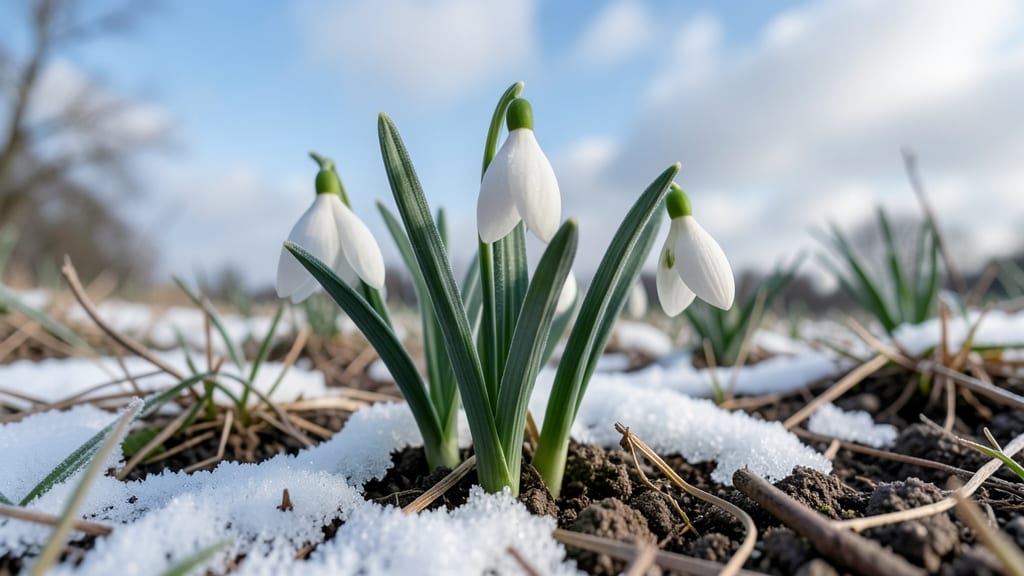
Frustrated by voles destroying your spring bulbs? These 10 vole-resistant perennials thrive underground while repelling gnawing pests, ensuring vibrant blooms year after year with minimal damage.
Allium Purple Globe Perennials
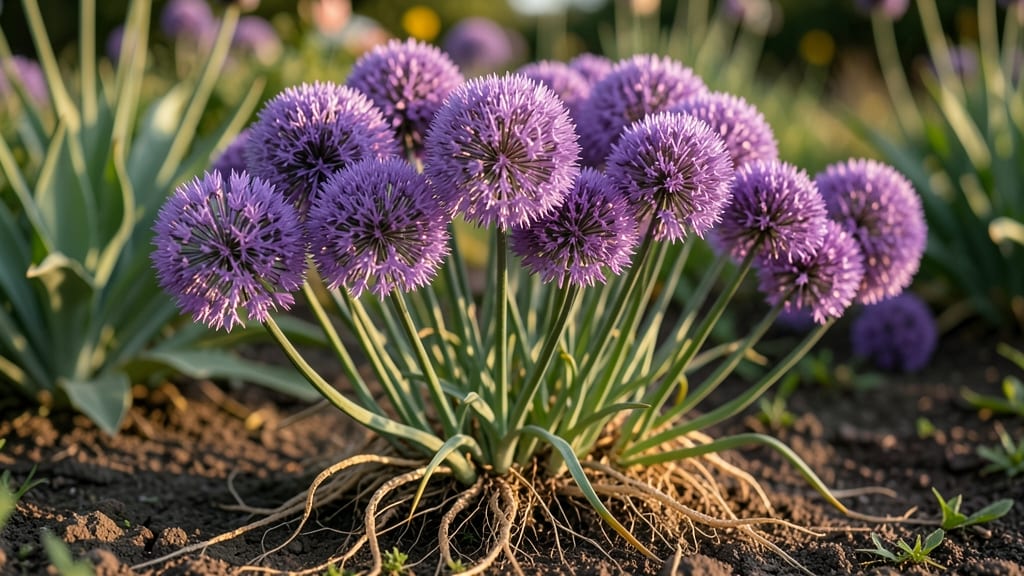
Tired of voles turning your garden into a snack bar? Allium Purple Globe perennials are your secret weapon—these bold, spherical blooms not only dazzle with their deep purple color but also repel voles with their strong scent and fibrous, tunneling-resistant roots. Unlike delicate bulbs, these hardy perennials thrive year after year, making them a low-maintenance powerhouse for cottage gardens.
Plant them in full sun to partial shade and well-drained soil for best results. Their late spring to early summer blooms attract pollinators like bees and butterflies, adding extra value to your garden. Plus, their clumping growth habit naturally deters voles from digging near their roots, giving you peace of mind while enjoying their striking appearance.
Perfect for gardeners who love pollinator-friendly landscapes or cottage-style gardens, these perennials combine beauty and resilience. 🌿
Crocus Vernus (Spring Crocus)
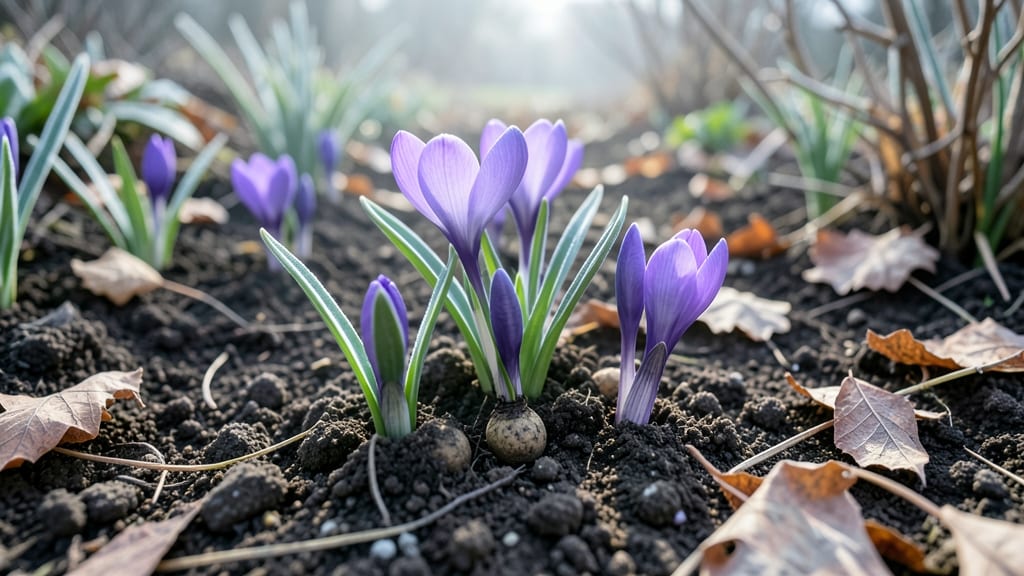
Tired of voles turning your lawn into a buffet? Crocus verus (spring crocus) is your secret weapon—its bitter-tasting corms make it one of nature’s best vole deterrents while delivering cheerful purple blooms as early as February.
Plant these hardy bulbs 3-4 inches deep in fall for winter color, and they’ll naturalize effortlessly in lawns or meadows. The key to their vole resistance lies in their unpalatable flavor—unlike tender tulips, voles simply won’t dig them up. Bonus: You can even force them indoors for winter color by chilling potted bulbs for 12 weeks.
Perfect for beginners and low-maintenance gardeners, these sun-loving perennials multiply yearly and thrive in poor soil. Just avoid overwatering—they hate soggy roots. 🌱
Fritillaria Imperialis (Crown Imperial)
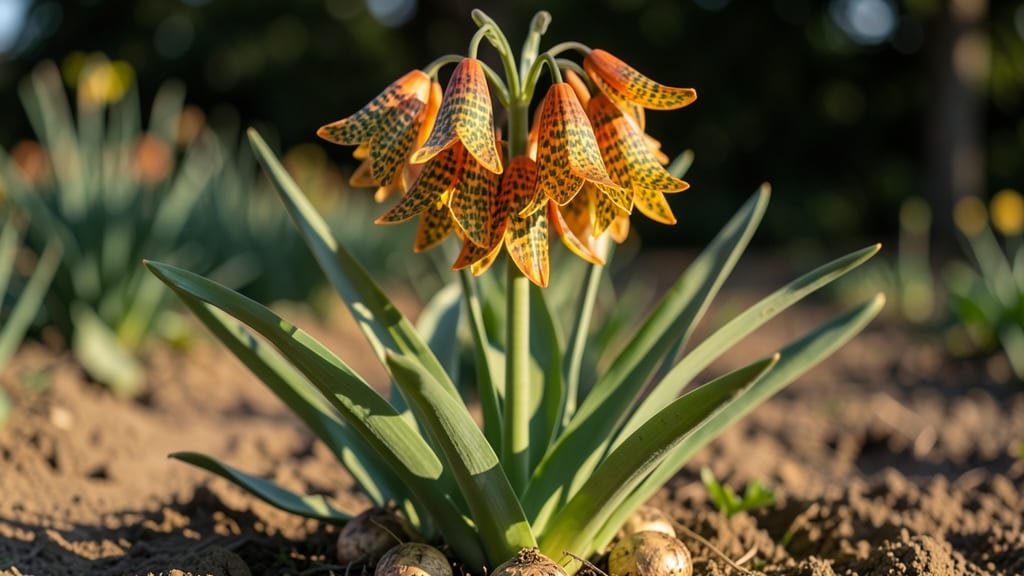
Want a dramatic statement plant that voles won’t touch? Fritillaria imperialis, or Crown Imperial, delivers exotic bell-shaped blooms in striking orange-and-green checkered patterns while its toxic corms act as a natural vole deterrent.
This full-sun lover thrives in well-drained soil, making it ideal for slopes or raised beds where water pools don’t risk rotting its corms. Plant bulbs 6 inches deep in fall for spring blooms that reach 3-4 feet tall, creating a luxurious focal point. The scentless flowers also attract hummingbirds, adding bonus wildlife value.
Perfect for gardeners who want low-maintenance drama with built-in pest resistance—just avoid heavy clay soils. 🌟
Lilium Regale (Regal Lily)
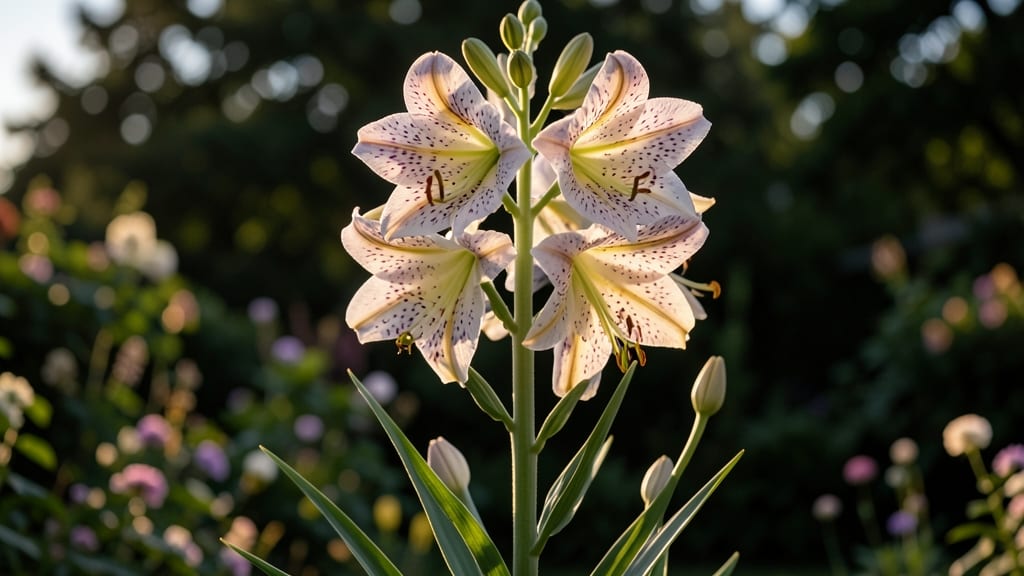
Need a dramatic focal point that deters voles while filling your garden with intoxicating fragrance? The Lilium Regale (Regal Lily) stands 4-6 feet tall with creamy white blooms speckled in purple—each one a natural vole repellent thanks to its toxic bulbs.
Plant these fragrant beauties in full sun with well-drained soil, and watch them thrive in borders or cutting gardens. Their height adds vertical interest, while their scent attracts pollinators—making them a multi-purpose workhorse. Just avoid planting near edibles, as all parts are toxic to pets and humans.
Perfect for gardeners who want height, fragrance, and vole protection without fuss. 🌻
Muscari Armeniacum (Grape Hyacinth)
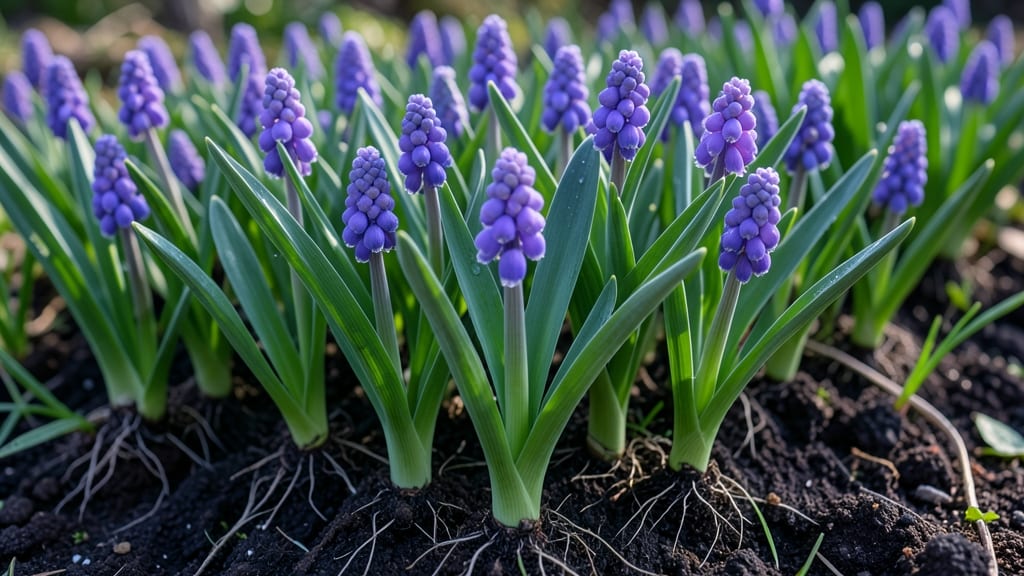
If you're tired of voles turning your spring garden into a snack bar, Muscari armeniacum (Grape Hyacinth) might just be your secret weapon. Unlike many bulbs that voles love to nibble, these form dense, compact clumps that are surprisingly difficult for them to penetrate—giving you early spring color without the usual destruction.
This charming bulb thrives in full sun to partial shade and produces clusters of grape-like flowers in shades of blue or white, blooming as early as late winter or early spring. The fibrous root system creates a tight network that deters tunneling, while the dense foliage provides a physical barrier. Plant them in groups for a striking drift effect, and you’ll enjoy year-round greenery even after the flowers fade.
Perfect for small gardens, containers, or naturalizing under trees, Grape Hyacinth is a low-maintenance choice that rewards you with cheerful color when most other bulbs are still dormant. 🌷
Narcissus (Daffodils) Tazetta Group
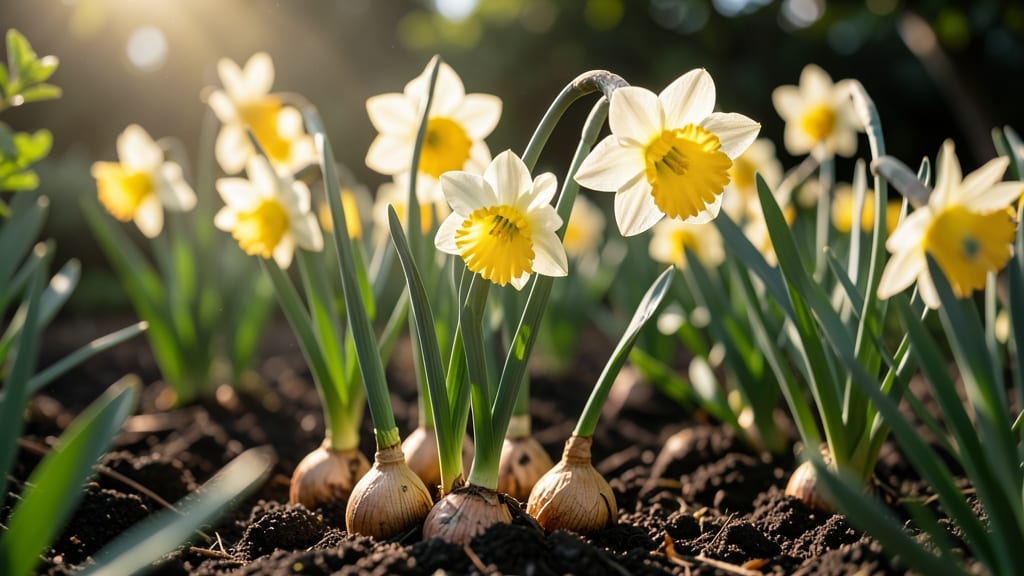
If you love the intoxicating fragrance of daffodils but hate losing them to voles, the Narcissus Tazetta Group is your secret weapon. These bulbs combine toxic properties that deter pests with intense, honey-like scents that elevate cut arrangements and indoor forcing displays.
Unlike traditional daffodils, Tazetta varieties like 'Paper White' produce multiple fragrant flowers per stem and thrive in partial shade to full sun. Their dense foliage also makes them harder for voles to penetrate compared to other bulbs. Plant them in clusters for maximum impact—gardeners report they multiply reliably over time.
Perfect for beginners or small-space gardeners, these bulbs bring year-round value: force them indoors for winter blooms or cut stems for fragrant bouquets. Their dual protection against pests and people makes them a standout choice. 🌱
Scilla Siberica (Siberian Squill)
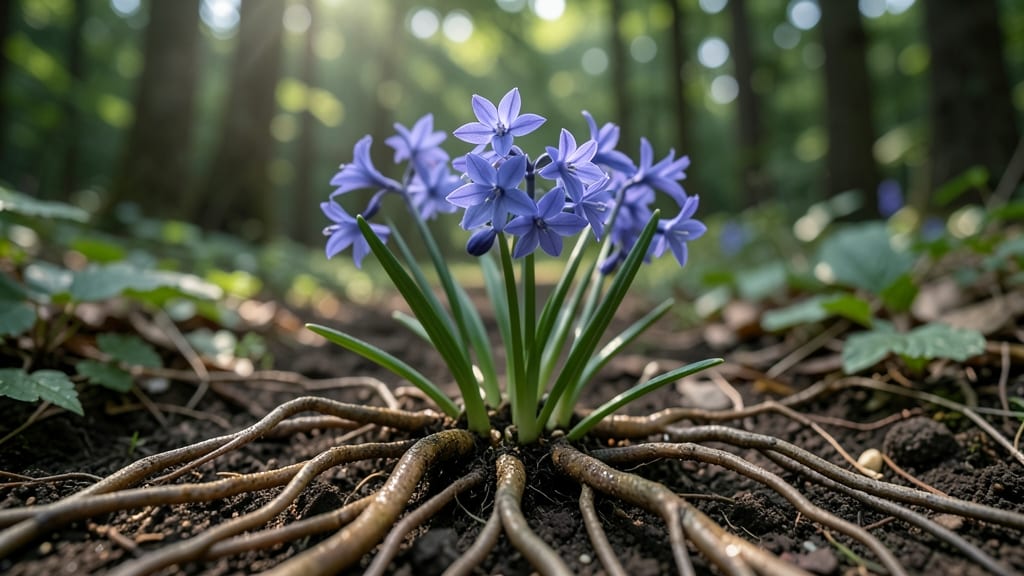
If you’ve struggled with voles devouring your shade-loving bulbs, Scilla Siberica (Siberian Squill) is your secret weapon. These delicate-looking bulbs pack a tough, fibrous root system that voles find nearly impossible to chew through—no toxic chemicals or bitter tastes required.
Plant them in shade gardens, woodland edges, or under trees where they’ll multiply over time, forming naturalized carpets of star-shaped blooms in shades of blue, purple, or white. Their early spring emergence (March–April) brings color before voles become most active, and they tolerate moist, well-drained soils—even clay—once established.
Perfect for gardeners with shady spots or woodland settings, these bulbs offer low-maintenance beauty with zero risk of vole damage. 💚
Tulipa Clusiana (Species Tulip)
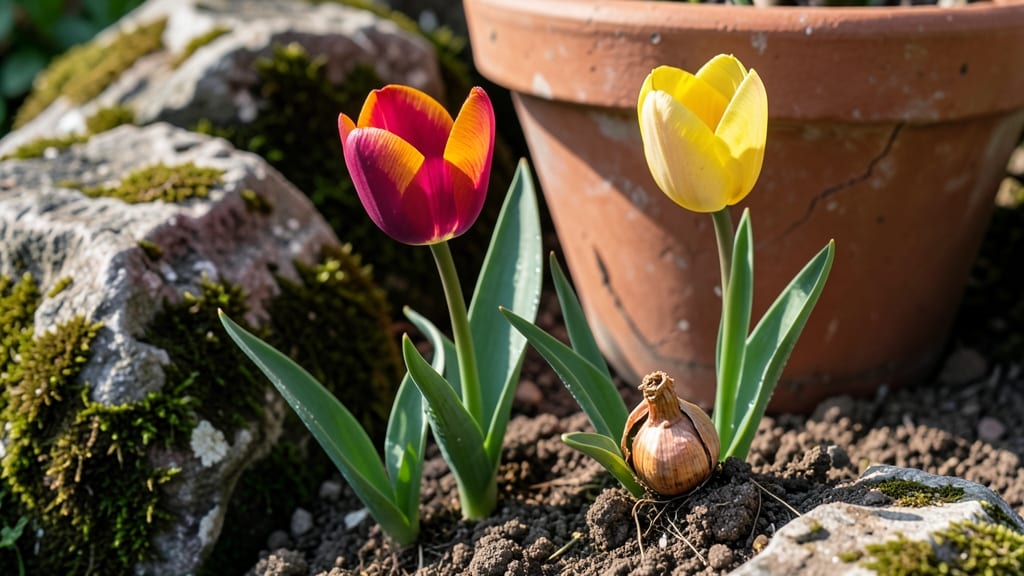
Tired of voles ruining your tulips before they even bloom? Tulipa Clusiana (species tulips) are nature's vole deterrent—with bitter-tasting bulbs that most rodents avoid. These compact beauties bring early color to your garden while keeping pests at bay.
Perfect for rock gardens and containers, these tulips thrive in well-drained soil and 3-6 hours of sun daily. Their small size (6-12 inches tall) makes them ideal for edging or mixed borders. Plant bulbs 4-6 inches deep in fall for spring blooms that arrive earlier than hybrid tulips.
Urban gardeners and rockery enthusiasts will love how these low-maintenance bulbs multiply over time while adding delicate charm to small spaces. 🌱
Erythronium Dens-Canis (Dogtooth Violet)
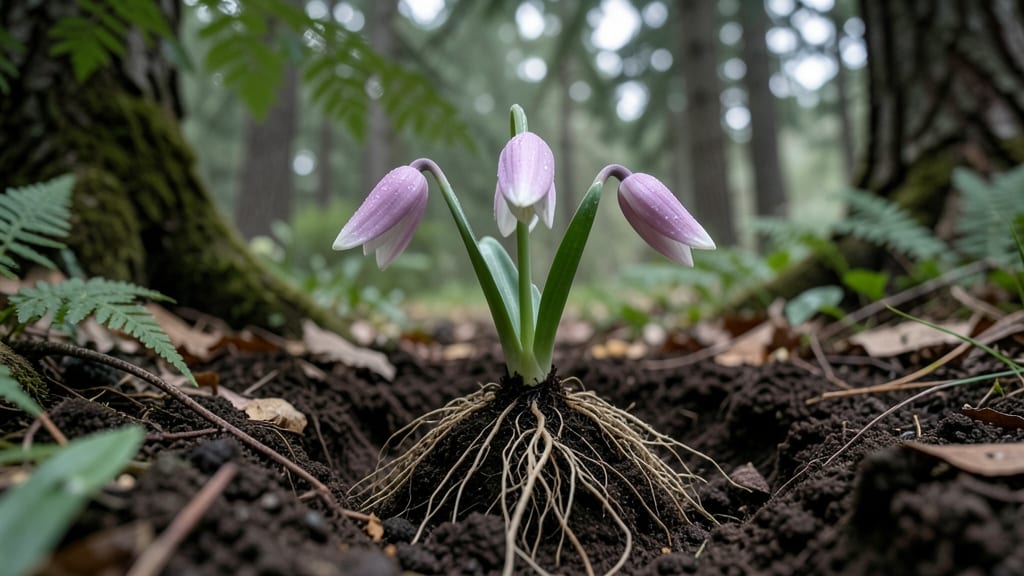
Looking for a vole-resistant bulb that thrives in shady woodland gardens? Erythronium dens-canis, or dogtooth violet, delivers unique dogtooth-shaped blooms in soft pink and white while outsmarting pests with its fibrous root system. Unlike many bulbs, these roots create a dense network that voles struggle to tunnel through, making them a natural deterrent.
Plant these bulbs in partial shade under deciduous trees or along woodland edges, where they’ll naturalize beautifully over time. Their early spring blooms appear before most foliage emerges, offering a stunning display of delicate flowers with mottled leaves. The fibrous roots also help stabilize soil in woodland gardens, reducing erosion while keeping voles at bay.
Perfect for gardeners seeking low-maintenance, vole-proof woodland plants, dogtooth violets reward patience with reliable blooms year after year. 🌷
Galanthus Nivalis (Snowdrop)

When winter feels endless and your garden looks bare, Galanthus nivalis (snowdrop) arrives like a whisper of spring—often before the snow has even melted. These delicate white blooms aren’t just early birds; they’re also nature’s vole repellent, thanks to their toxic properties that deter underground gnawers while adding winter interest to your garden.
Plant snowdrops in shady or partially shaded areas where they’ll naturalize effortlessly over time, creating drifts of cheerful flowers. Their fibrous roots make them resilient against vole tunneling, and they thrive in moist, well-drained soil—perfect for woodland gardens or under deciduous trees. Once established, they multiply yearly, rewarding you with year-round greenery and early blooms that brighten even the gloomiest days.
Ideal for gardeners who love low-maintenance, shade-tolerant plants with a touch of magic, snowdrops bring hope and beauty when it’s needed most. 🌱