
Advice
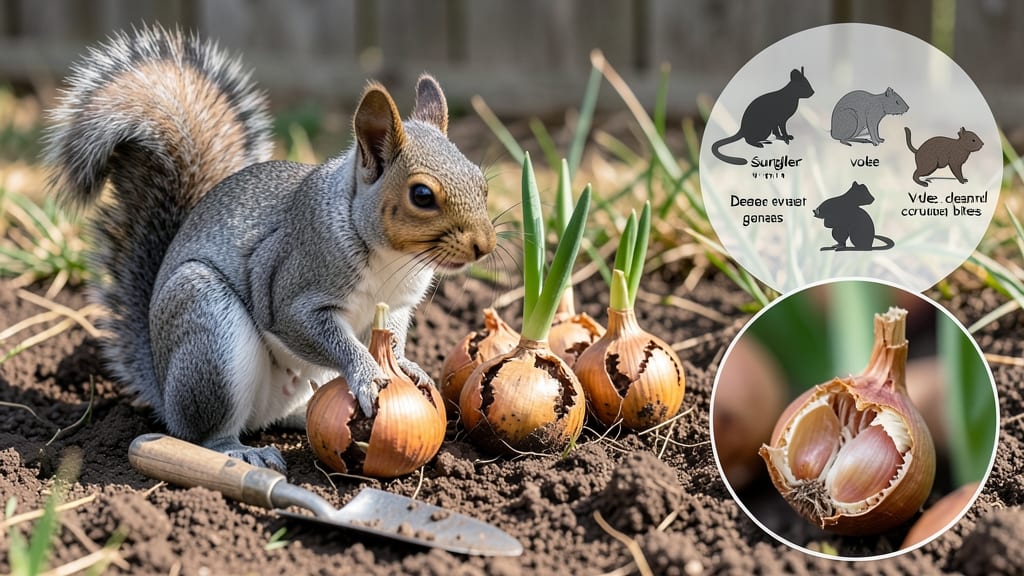
Animals that eat tulip bulbs include squirrels, rabbits, voles, deer, and chipmunks, which dig up and consume them for their starchy, nutrient-rich center. Rodents are the most common culprits in gardens.
Tulip bulbs are a favorite snack for many backyard critters because they're packed with easily digestible carbohydrates that give animals quick energy. 🌱 The problem isn't just the taste—it's how these animals hunt.
Squirrels and voles have sharp claws that let them dig through soil with surgical precision, while rabbits often nibble on emerging shoots before they even bloom. I've seen deer completely uproot entire tulip beds in a single night, especially when natural food sources become scarce in late winter.
The key to protecting your garden lies in understanding these behaviors and acting before planting season begins.
What makes this even trickier is that some animals, like chipmunks, will cache bulbs for later—meaning you might not notice the damage until spring when your tulips fail to sprout. The good news? Simple prevention methods like wire mesh cages or planting repellent herbs can make a huge difference.
I've found that combining physical barriers with natural deterrents gives the best protection, especially in areas where multiple types of bulb-eaters live together.
💡 In This Article
- Why Squirrels and Rodents Target Tulip Bulbs
- Natural and Physical Barriers to Protect Tulip Bulbs
Why squirrels and rodents target tulip bulbs
Tulip bulbs contain concentrated starches that provide animals with a high-energy, easy-to-digest meal—similar to how humans might crave potatoes after a long day. The bulb's outer layers protect a nutrient-rich center packed with carbohydrates, making it an irresistible snack for creatures like squirrels and voles.
These rodents have evolved to seek out calorie-dense foods during winter when natural sources are scarce, and tulip bulbs fit the bill perfectly. 🐿️ The scent of the bulbs, which contains volatile compounds like sulfur-containing molecules, acts like an invisible dinner bell, signaling to animals that a meal is nearby.
Digging behavior varies by species but follows a predictable pattern. Squirrels, for example, use their powerful front claws to slice through soil with precision, often creating small, neat holes—sometimes just 1-2 inches in diameter—while voles leave behind wider, shallower trenches as they tunnel horizontally.
Deer, on the other hand, use their hooves to uproot entire clumps of bulbs, which can destroy multiple plants at once.
What's fascinating is how these animals adapt their strategies: chipmunks, for instance, will often cache bulbs by burying them in shallow holes and returning later, a behavior that can lead to "false springs" where bulbs sprout prematurely and die in frost.
The timing of when animals target bulbs is critical. Most predation peaks in late fall and early spring when bulbs are most vulnerable—either freshly planted or just beginning to sprout.
In my own garden, I've noticed that voles become particularly active after the first hard frost, when the ground is easier to dig.
This is because the cold makes the soil firmer, but the bulbs themselves remain tender and full of moisture. 🌱 Comparing this to other garden threats, like slugs that target leaves, bulb-eaters focus on the root system, making them harder to detect until it's too late.
Another factor is bulb size and depth. Smaller bulbs, like those of dwarf tulips, are easier for rodents to carry away, while larger ones may deter some animals due to their bulk.
Planting bulbs at a depth of 6-8 inches can help, but this isn't foolproof—determined squirrels have been known to dig down 10 inches or more.
The scent of the bulbs also plays a role in how deeply animals will dig; varieties with stronger aromas (like certain species of Darwin hybrid tulips) may attract more attention than milder-scented ones.
What most gardeners don't realize is how social cues influence these animals. If one squirrel discovers a tulip bed, others will quickly follow, creating a domino effect of destruction. This herd mentality is why you might see a single hole turn into a dozen overnight.
The good news? Understanding these patterns allows you to implement targeted prevention strategies, such as using wire mesh or planting deterrents like daffodils (which contain toxic compounds that most animals avoid).