
Planting
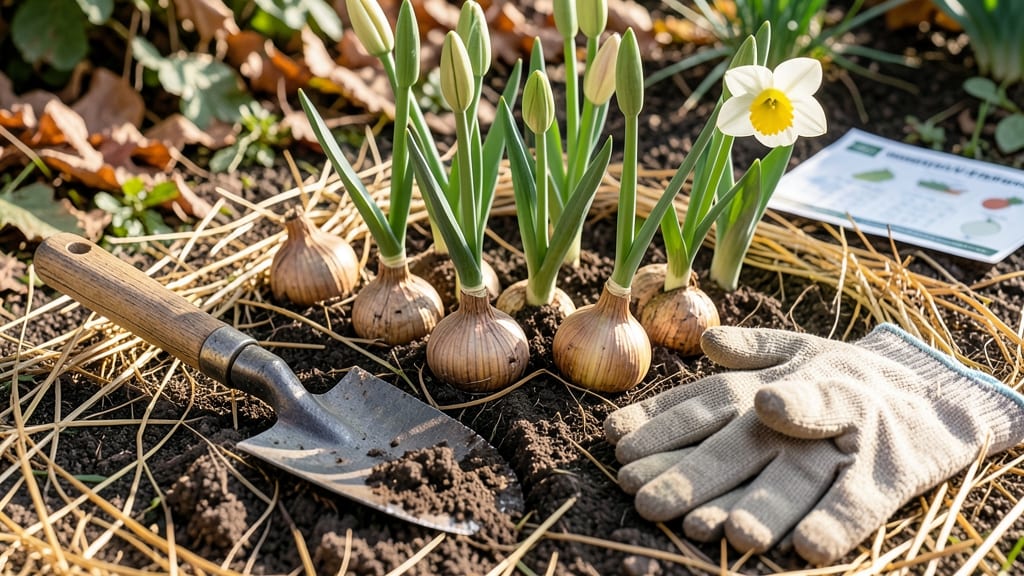
Planting tulip and daffodil bulbs at the right time ensures vibrant blooms next spring 🌷 — aim for 6-8 weeks before your first frost, when soil temps drop to 60°F.
Timing is everything when planting tulip and daffodil bulbs—plant too early, and they’ll rot; too late, and they won’t bloom. But with the right climate zone knowledge, you can ensure vibrant spring flowers year after year.
Most gardeners in USDA Zones 3-7 should plant in October or November, while warmer zones (8-10) can wait until December or even January. The key is cool soil and no more than 60 days until winter dormancy begins.
In this guide, I’ll break down the exact months by zone, soil prep tips, and how to tell when your bulbs are ready to go in—so you can skip the guesswork and get those cheerful blooms on schedule.
Best planting months for tulips and daffodils by USDA climate zone
Planting tulip and daffodil bulbs at the right time ensures stunning spring blooms, but the perfect window varies dramatically across USDA climate zones. In colder regions like Zone 3, you’ll plant in early fall, while warmer Zone 10 gardens can wait until late fall or even winter.
Understanding these differences prevents wasted bulbs and guarantees vibrant displays.
Both tulips and daffodils thrive when planted in cool soil before the ground freezes, allowing roots to establish without sprouting too early. However, daffodils are more forgiving with timing, while tulips demand precision—plant them too late, and you risk weak or no blooms next spring.
Let’s break down the ideal months for each zone to maximize success.
Pro Tip: Always plant bulbs 6-8 weeks before your first hard frost to allow root growth but prevent premature shoots. Use local frost date guides or plant when daytime temps hover around 60°F (15°C) and nighttime temps drop below 50°F (10°C).
Here’s your zone-by-zone planting schedule, including early, mid, and late windows for both tulips and daffodils:
| USDA Zone | Early Window | Ideal Window | Late Window | Notes |
|---|---|---|---|---|
| Zone 3 (-40°F to -30°F) | September 15 | October 1-15 | October 31 | Plant tulips first—they need more time to root. Daffodils can handle late planting. |
| Zone 4 (-30°F to -20°F) | September 20 | October 1-31 | November 10 | Avoid planting after first frost—bulbs won’t root properly. |
| Zone 5 (-20°F to -10°F) | September 25 | October 1-15 | November 15 | Tulips planted in late fall may bloom later or weakly. |
| Zone 6 (-10°F to 0°F) | October 1 | October 15-31 | December 1 | Daffodils excel in Zone 6—plant through December for best results. |
| Zone 7 (0°F to 10°F) | October 15 | November 1-15 | December 15 | Soil stays workable longer—ideal for late-season planting. |
| Zone 8 (10°F to 20°F) | November 1 | November 15-30 | January 10 | Plant daffodils in winter—they tolerate mild freezes. |
| Zone 9 (20°F to 30°F) | November 15 | December 1-15 | January 31 | Tulips struggle in Zone 9—opt for early-blooming varieties. |
| Zone 10 (30°F to 40°F) | December 1 | December 15-31 | February 15 | Only daffodils thrive here—tulips rarely bloom reliably. |
In Zone 3, where winters are harsh, I recommend planting tulips by October 15 to ensure roots establish before first frost. Daffodils, being hardier, can wait until November if needed. For Zone 6 gardeners like me, the sweet spot is October 15-31, giving bulbs time to
Key factors that determine perfect planting timing
Planting tulip and daffodil bulbs at the wrong time can mean the difference between a vibrant spring display and wasted money. While most gardeners focus on months, the real magic happens when you align planting with soil temperature, frost dates, and your local microclimate.
These factors often override calendar-based advice, especially if you live in a warmer southern zone or a cold northern climate.
For example, in USDA Zone 5, I plant my tulip bulbs in early October when soil temps drop to 50°F (10°C), but in Zone 9, I wait until late November when the ground cools naturally.
The key is understanding when your bulbs enter their dormancy phase—this is when they’re most resilient to cold and ready to establish roots before winter.
Here’s what I always check before digging:
Ideal range: 40–50°F (4–10°C). Use a soil thermometer to confirm—cool but not frozen soil is perfect for bulb root growth.
Plant 6–8 weeks before first frost in your zone. Check your local National Weather Service data for accuracy—some years frost comes early!
Daffodils tolerate colder soil than tulips. If your bulbs arrive early, store them in a cool, dark place (like a garage) until conditions align.
A south-facing slope warms faster than a north-facing bed. Adjust planting dates by 2–4 weeks for these areas.
Older bulbs need earlier planting to compensate for slower root growth. Test by pressing a fingernail into the base—if it doesn’t dent easily, it’s fresh!
One year, I planted my tulip bulbs in mid-November in Zone 6 because a heatwave delayed soil cooling. The result? Stunted blooms the next spring. Since then, I’ve made it a rule to monitor soil temps weekly in fall and adjust my schedule accordingly.
Even a 10°F (5°C) difference can shift your ideal planting window by weeks.
Don’t forget that daffodils are more forgiving than tulips—they handle later planting and wet soil better. If you’re unsure, err on the side of planting daffodils 2 weeks later than tulips in the same zone. This small adjustment can save you from rotten bulbs or missed blooms.
Pro tip: Mark your planting dates on a garden calendar and note the soil temp and frost date for each year. Over time, you’ll spot patterns in your microclimate that calendar advice alone can’t predict.
With these factors in mind, you’ll be well on your way to a showstopping spring display every year.