
Planting
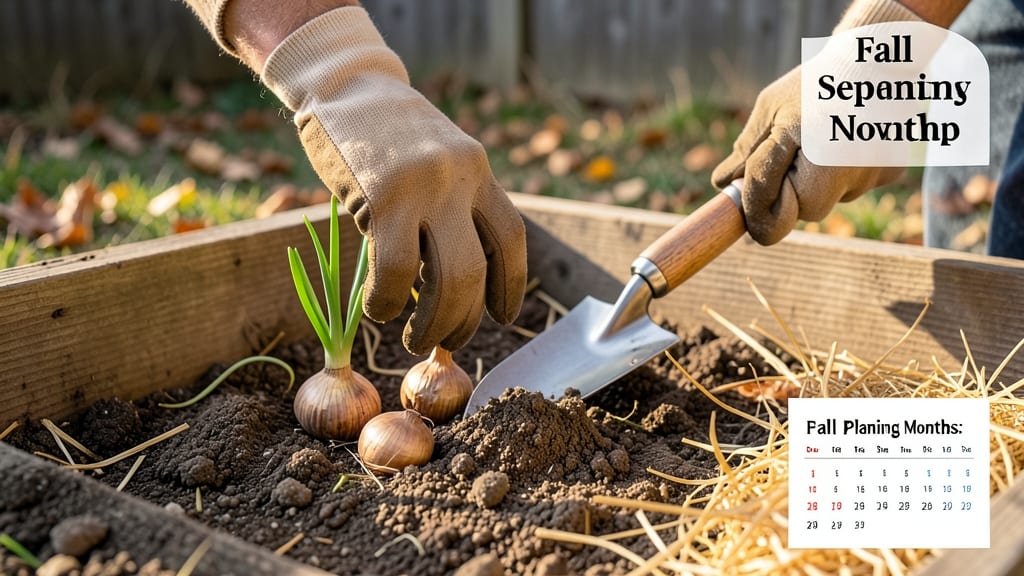
Planting tulip bulbs in the right month ensures those vibrant spring blooms you love — but miss the window, and you’ll end up with flops instead of flowers.
You’ve probably heard that fall is the time to plant, but knowing the exact month for your USDA zone makes all the difference. In Zone 6a, for example, October to November is ideal, but warmer climates like Zone 9 shift that schedule to December or even January.
Why does timing matter so much? Tulips need 6-8 weeks of chilling before the ground freezes to develop strong roots. Plant too early, and the bulbs may sprout prematurely; too late, and they won’t establish before winter sets in.
Below, I’ll break down the perfect planting schedule by zone, plus soil prep tips and storage tricks if your bulbs aren’t ready to go in the ground just yet.
Best month to plant tulip bulbs by USDA Zone: a month-by-month guide
Planting tulip bulbs at the right time ensures stunning spring blooms that last for years. The key is understanding your USDA zone and local frost patterns.
In colder zones, you’ll plant earlier than in warmer climates—but all regions follow the same core rule: plant when soil temps hit 40-50°F and 6-8 weeks before frost.
For example, gardeners in Zone 3 (think Minnesota or Maine) need to get bulbs in the ground by early October, while those in Zone 9 (like Southern California) can wait until December.
The difference comes down to chilling requirements—tulips need a cold period to bloom properly, so timing is everything.
Here’s your zone-by-zone planting schedule, including ideal months, soil conditions, and regional adjustments to avoid common mistakes like early planting (which can rot bulbs) or late planting (which may prevent blooming).
| USDA Zone | Best Planting Month | Soil Temperature | Key Consideration | Regional Tip |
|---|---|---|---|---|
| Zones 3-4 | September 15 – October 15 | 40-50°F | Plant before first hard frost | Northern climates: Use mulch after planting |
| Zones 5-6 | October 1 – November 15 | 45-55°F | Aim for 6 weeks before frost | Midwest: Watch for early snow delays |
| Zones 7-8 | November 1 – December 15 | 50-60°F | Soil must be cool but workable | Southern states: Plant after Thanksgiving for best results |
| Zones 9-10 | December 1 – January 15 | 55-65°F | Plant in winter rains for moisture | California/Arizona: No chilling needed for species tulips |
🌷 Pro Tip: Use a soil thermometer to confirm temps before planting.
In Zones 3-4, where winters are harsh, I always plant by mid-October to ensure bulbs establish roots before the ground freezes. The soil temperature is critical—aim for 40-50°F—because colder soil can damage bulbs, while warmer soil may encourage premature sprouting.
For Zones 5-6, like my own garden in Zone 5b, I wait until early October but adjust if we have an Indian summer. A late warm spell can trick bulbs into sprouting too soon, so I monitor frost forecasts closely.
Planting 6 weeks before frost gives roots enough time to develop.
Gardeners in Zones 7-8 have more flexibility, but don’t delay too long. I’ve seen November planting work well in Zone 7a, but bulbs planted after December 1 may not bloom as vigorously. The key is soil workability—if it’s too dry or too wet, wait a few days.
In Zones 9-10, where winters are mild, the rainy season is your best friend. Planting in December-January takes advantage of natural moisture, but avoid summer planting—tulips need chilling to bloom. For species tulips (like Tulipa tarda), chilling isn’t required, so they can be planted year-round.
One common mistake I see is planting too early in warm zones. If you plant in September in Zone 9, the bulbs may sprout and rot before winter.
Always check your local frost dates and adjust by 4-6 weeks. For example, if your first frost is November 15, plant by October 1.
If you miss the ideal window, don’t panic! Store bulbs in a cool, dry place (like a garage or basement) until conditions improve. Just avoid refrigeration, as
Critical factors that determine perfect tulip planting timing
Planting tulip bulbs at the right time ensures they get the 12-16 weeks of cold dormancy they need to bloom spectacularly next spring. The key factors—soil temperature, frost dates, and bulb chilling requirements—work together to create the perfect window.
For example, in Zone 5, bulbs must be in the ground by mid-October to avoid winter heaving, while Zone 9 gardeners can plant as late as January.
Tulips thrive when soil temperatures drop to between 40-50°F. This range signals the bulbs to start rooting before the ground freezes solid. If you plant too early—like in September—the bulbs may sprout prematurely and get damaged by early frosts.
Conversely, planting too late—after the first hard frost—can prevent proper root establishment, leading to weak or no blooms the following year.
⚠️ WARNING: Planting tulips too late or too early can ruin your blooms!
⚠️ Late Planting Risks
Planting tulip bulbs after the ground freezes (below 32°F) or fewer than 6 weeks before frost can cause:
- Poor root development → Weak stems, fewer blooms
- Frost heaving → Bulbs pushed out of soil, exposed to freezing
- Rot risk → Waterlogged soil in late fall can suffocate bulbs
Pro Tip: Use a soil thermometer to confirm 40-50°F before planting. In Zones 3-7, aim for October-November; in Zones 8-10, plant in December-January.
Another critical factor is understanding your USDA zone’s first frost date. Tulips need time to root before the ground freezes, so count back 4-6 weeks from your average first frost. For instance, if your first frost is November 15th, plant bulbs by October 1st.
This timing ensures roots establish before winter dormancy begins, setting the stage for robust spring growth.
Bulb chilling requirements vary slightly by variety, but most tulips need 12-16 weeks below 40°F to break dormancy. If you live in a warmer climate (Zones 8-10), you might need to pre-chill bulbs in the fridge for 8-10 weeks before planting.
Store bulbs in a paper bag in the crisper drawer (not the freezer) to mimic natural winter conditions.
Adjusting for early or late seasons is easier than you think. If your fall is unusually mild or wet, delay planting until soil temps drop. Use a mulch layer (2-3 inches of straw) to insulate bulbs and protect them from temperature swings.
Conversely, if frost arrives early, plant bulbs in containers and sink them into the ground for flexibility—you can move them to a sheltered spot if needed.
To check if you’re ready, use this quick 3-step checklist:
- Soil temperature is 40-50°F (use a thermometer)
- First frost is 6+ weeks away (check local forecasts)
- Bulbs are firm and dry (no signs of sprouting)
Mastering these critical factors transforms guesswork into guaranteed success. With the right timing, your tulips will reward you with bold, vibrant blooms year after year—no matter your climate zone. Happy planting! 🌷