
Plants
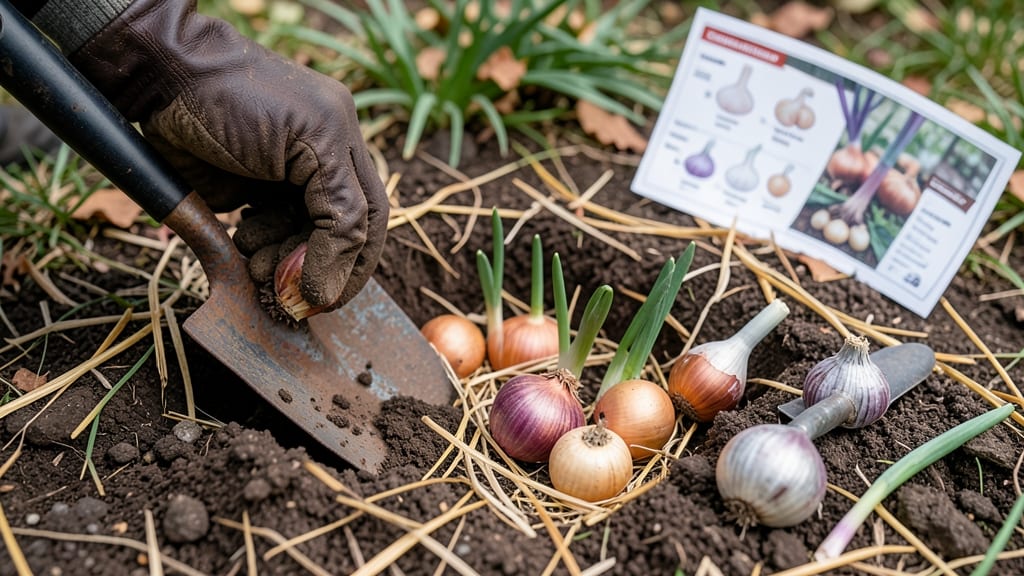
Planting bulbs in the fall 6-8 weeks before your first frost is the secret to a show-stopping spring garden—miss that window, and you’ll be left with bare soil when your neighbors’ blooms are popping.
I’ve watched tulips and daffodils flop when planted too early or late, and trust me, timing is everything. Too soon, and the roots rot; too late, and the bulbs won’t establish before winter.
But get it right, and you’ll have a garden that wakes up in vibrant color year after year.
This isn’t just about guessing—it’s about knowing your USDA zone, reading your soil, and adjusting for your local frost dates.
Whether you’re in chilly Zone 3 or milder Zone 10, I’ll break down the exact months to plant, plus how to prep your soil and space bulbs for maximum blooms next spring.
From deer-resistant daffodils to late-blooming alliums, you’ll learn which bulbs thrive in your climate, how deep to tuck them in, and the one post-planting trick that keeps them coming back stronger every year.
Fall bulb planting timeline by USDA hardiness Zone: exact months for perfect blooms
Planting fall bulbs like tulips and daffodils requires precision—too early, and they’ll sprout before winter; too late, and they won’t root in time. Your USDA hardiness zone dictates the perfect window, but even within zones, regional microclimates can shift timing by weeks.
For example, Zone 3 gardeners in Minnesota face earlier freezes than those in Zone 3 Montana, where dry air delays frost. Let’s break down the exact month-by-month schedule for Zones 3–10, plus how to adjust for southern vs. northern climates.
Most bulbs need 6–8 weeks of cool soil (below 60°F) to establish roots before the ground freezes. This means planting 4–6 weeks before your first frost date.
Use your local National Weather Service frost calendar as your guide—don’t rely on average dates if your area has had early or late freezes recently. For instance, Zone 7 might see frost in early November, but a heatwave could push it to mid-December.
Always err on the earlier side for reliability.
Southern climates (Zones 8–10) present unique challenges. In Zone 9 Florida, for example, bulbs can be planted as late as January because the ground rarely freezes. Meanwhile, Zone 10 gardeners in coastal California might plant in November–December but need to shield bulbs from winter rains.
Northern gardeners (Zones 3–6) have a tighter window—often just September–October—and must account for early snowfall or prolonged cold snaps that can damage emerging shoots.
Here’s your zone-by-zone planting timeline, including early/late windows and regional tweaks:
For Zone 3–4 gardeners, focus on hardy bulbs like crocuses and snowdrops, which tolerate colder soils. In Zones 9–10, prioritize late-blooming varieties such as rain lilies or bearded irises, which handle warmer winters.
Pro tip: In Zone 5–7, plant tulips in early fall and daffodils in late fall—the latter handle wetter soils and deer better.
Soil temperature is your real deadline, not the calendar. Use a soil thermometer to confirm temps are below 60°F before planting.
In Zone 6, this might mean waiting until late October, even if your frost date is November 1st. If you’re unsure, opt for early planting—bulbs can sit in the ground for months without sprouting, but they won’t root if planted too late.
Regional microclimates matter too. For example, Zone 7 gardeners in the Appalachians may plant in early October, while
Critical factors that determine the best planting time for fall bulbs
Planting fall bulbs at the right time ensures they establish roots before winter dormancy, setting the stage for stunning spring blooms. But the perfect planting window depends on three key factors: soil temperature, frost dates, and the specific bulb type you’re planting.
Ignoring these can leave bulbs vulnerable to rot, frost heave, or poor root development.
For most gardeners, the ideal time falls between 6-8 weeks before the first hard frost, but this varies dramatically by region.
In USDA Zones 3-5, that might mean planting as early as late August or early September, while gardeners in Zones 7-10 often wait until October or even November. High-altitude gardens or wet climates add extra complexity, requiring adjustments to avoid soggy soil or premature freezing.
⚠️ callout warning
Planting too late—within 4 weeks of frost—can stunt root growth, leading to weak or no flowers. Tulips and hyacinths are especially sensitive, while daffodils and crocuses tolerate later planting. Always check your local frost dates and adjust for early freezes in your area.
Soil temperature is the single most critical factor for fall bulb success. Most bulbs need the ground to cool to 50-60°F (10-15°C) before planting. Use a soil thermometer to check—if temps are still above 60°F (15°C), bulbs may rot before roots form.
In warm climates like Zone 9-10, you might need to plant as late as December to avoid summer heat stress.
Bulb types also dictate timing. Tulips and hyacinths prefer cooler soils and should go in early, while daffodils and alliums handle later planting. Snow crocuses are the hardiest—plant them as late as October or even November in colder zones.
High-altitude gardens (above 5,000 feet) may need earlier planting due to faster soil cooling and shorter growing seasons.
Wet climates pose another challenge. Bulbs planted in waterlogged soil rot quickly, so amend heavy or clay soils with compost or sand. In rainy regions, prioritize well-draining spots and consider raised beds.
For early freezes, use frost blankets or mulch heavily after planting to insulate bulbs until the ground freezes solid.
Pro tip: Mark your planting date and track 6-8 weeks later to ensure roots have established. If you’re unsure, err on the earlier side—bulbs can wait longer in the ground than you might think, but they won’t survive if planted too late.
With the right timing, your garden will reward you with bold, vibrant blooms that brighten even the dreariest spring days. 🌷