
Plants
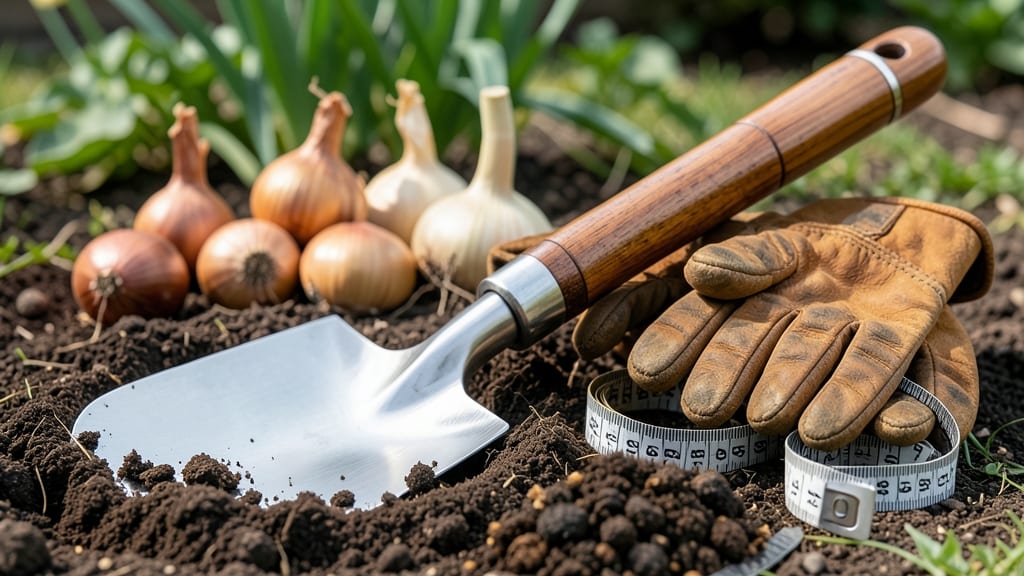
Planting bulbs at the right time ensures vibrant spring blooms—and missing the window can mean waiting another year.
Timing is everything when it comes to planting bulbs 🌱—get it wrong, and you might miss next year’s stunning blooms entirely. Whether you’re growing tulips, daffodils, or hyacinths, knowing the exact planting window for your climate zone is the secret to a showstopping display.
Fall planting is the gold standard for most bulbs, but spring options exist for late bloomers. In USDA Zone 6a, aim for September through November—before the ground freezes—to give roots time to establish. The key? Planting 6-8 weeks before frost ensures healthy growth.
In this guide, I’ll break down the perfect planting months for your zone, common mistakes to avoid, and pro tips to extend bloom seasons—so you can enjoy flowers year after year.
Best months to plant bulbs by USDA climate Zone (with exact timing)
Planting bulbs at the right time ensures vibrant blooms and healthy growth. Most spring-flowering bulbs like tulips and daffodils need a cool dormancy period, while summer bulbs like dahlias thrive when planted after frost.
Your USDA climate zone determines the ideal window—get it wrong, and you risk weak or no blooms next season.
In cooler zones (3-5), aim for fall planting 6-8 weeks before the first frost. Warmer zones (8-10) can plant bulbs in late fall or winter to avoid summer heat stress. Regional adjustments matter too—Pacific Northwest gardens may plant earlier than Deep South landscapes due to milder winters.
🌱
For Pacific Northwest gardens, adjust timing 1-2 weeks earlier due to milder winters. In the Deep South (Zones 9-10), plant summer bulbs in early spring to escape summer heat.
Always check your local frost dates—planting too early in warm zones can cause bulbs to sprout prematurely and rot.
Soil temperature is critical. Use a soil thermometer to confirm it’s below 60°F for fall planting. In Zone 6, this typically means waiting until mid-October. If you’re unsure, opt for late fall planting—bulbs can survive winter dormancy better than premature growth.
🌿
Regional microclimates also play a role. Coastal areas often have milder winters, so plant bulbs slightly later than inland zones. Conversely, high-altitude gardens (e.g., Denver) may need to plant earlier due to colder temperatures. Always prioritize well-draining soil—waterlogged conditions kill bulbs faster than incorrect timing.
Pro tip: Mark your planting calendar with local frost dates. For example, in Zone 5, aim to plant by November 1st to ensure bulbs establish roots before winter. If you miss the window, store bulbs in a cool, dry place until next fall.
🪴
Don’t forget about summer-flowering bulbs like dahlias and gladiolus. These thrive when planted in spring after the last frost. In Zone 7, this means waiting until April 15th or later. Use a mulch layer to retain moisture and regulate soil temperature, especially in hot climates.
Finally, test your soil’s drainage before planting. Amend heavy clay with compost or sand to prevent rot. Bulbs planted in well-aerated soil bloom 20-30% larger than those in compacted ground.
☀️
How to adjust planting time for early or late blooms (pro tips)
Want to coax blooms earlier or stretch your garden’s color show into late fall? Adjusting your planting time is the key. Extreme weather, climate quirks, or even a desire for holiday-themed flowers can push you outside the usual timeline.
The good news? With a few smart strategies, you can control bloom windows—whether you’re forcing paperwhites for Christmas or planting dahlias in summer for a fall finale.
First, understand that bulbs need chilling periods to bloom. If you plant too early in cold zones, they might sprout but not flower. Too late in warm climates? They’ll rot before winter.
The trick is adjusting soil temps, planting depth, and even indoor forcing to trick nature into cooperating. Let’s break down how to do it right.
🌱 Pro Tips for Adjusting Bloom Times
- 1. Force bulbs indoors for holiday blooms: Plant paperwhites or hyacinths in shallow trays with pebbles and water. Place in a cool dark spot for 6-8 weeks, then move to sunny windows for blooms by Christmas.
- 2. Plant early in warm zones (Zones 8-10): Use shade cloth to protect bulbs from heat stress and plant 6-8 weeks earlier than usual. Water deeply to encourage root growth before summer.
- 3. Extend fall blooms by planting dahlias or cannas in late summer (August-September). Choose heat-tolerant varieties and mulch heavily to protect roots from early frosts.
- 4. Adjust depth for climate: In hot climates, plant bulbs shallower (1-2x bulb diameter) to keep them cooler. In cold zones, bury them deeper (3x diameter) for insulation.
- 5. Use mulch strategically: Apply 3-4 inches of mulch after planting to regulate soil temps. In cold zones, mulch after frost to protect bulbs. In warm zones, mulch before summer to keep soil cool.
- 6. Pre-chill bulbs for early spring blooms: Store bulbs in a paper bag in the fridge for 8-10 weeks before planting. This mimics winter chilling and can jumpstart growth by 2-3 weeks.
- 7. Test soil moisture before planting: Use a moisture meter or dig a hole—soil should be cool but workable. If it’s too wet, wait; if too dry, water deeply and plant immediately.
For extreme adjustments, like forcing bulbs for Valentine’s Day or Thanksgiving, start with paperwhites or hyacinths. These are the easiest to manipulate because they don’t need a long dormancy period.
Simply plant them in well-draining pots with pebbles and water, and place them in a dark, cool closet (50-60°F) for 6-8 weeks. Once buds form, move them to bright light for blooms in 2-3 weeks.
If you’re in a warm-winter zone (like Zone 9-10), avoid planting traditional spring bulbs like tulips or daffodils in fall—they’ll rot. Instead, opt for summer-blooming bulbs like dahlias or gladiolas, which thrive in hotter soil.
Plant these in late winter or early spring (February-March) for summer and fall color.
Always check your last frost date and adjust by 6-8 weeks for fall planting. For example, if your last frost is November 15, plant bulbs by September 15 to give roots time to establish before winter.
Use a soil thermometer to confirm temps are between 40-50°F—this is the sweet spot for most bulbs.
Remember: Patience is key. Rushing the process—whether by planting too early or forcing bulbs too soon—can lead to weak stems, poor blooms, or even bulb death. Stick to the 6-8 week rule for adjustments, and always prioritize well-draining soil and proper depth.
With these tips, you’ll have blooms on demand, no matter the season! 🌷