
Fertilization
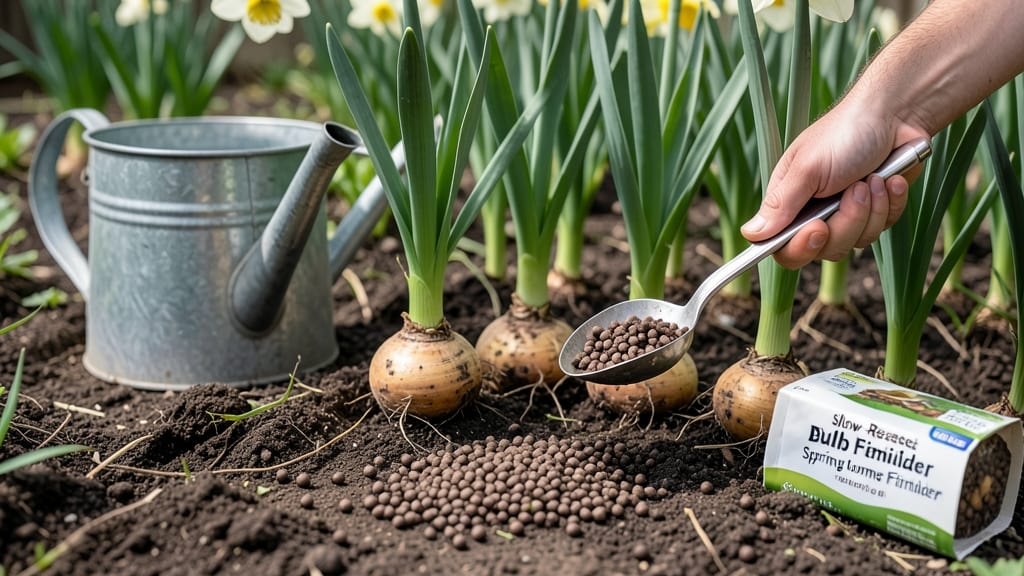
Fertilizing bulbs at the right time is the key to those showstopping spring blooms 🌱 — and missing the window can leave you with weak stems or no flowers at all.
Struggling to get your spring bulbs to bloom as vibrantly as last year? The secret isn’t just in the soil—it’s in when you fertilize them. Timing matters more than you think, and overfeeding can actually stunt growth instead of boosting it.
Most gardeners know bulbs need nutrients, but the best times to fertilize depend on whether they’re spring or fall bloomers. A quick feed in early spring jumpstarts growth, while a light dose in fall helps next year’s flowers develop underground.
Below, I’ll break down the exact months to fertilize, the right fertilizer types, and how to avoid common mistakes that leave your bulbs looking lackluster. No guesswork—just clear, actionable tips for bulbs that bloom like clockwork.
Best fertilization timing for bulbs by growth stage
Timing your bulb fertilization isn’t just about throwing down fertilizer when you think of it—it’s a seasonal science that directly impacts bloom quality and long-term bulb health.
I’ve learned the hard way that fertilizing at the wrong time can lead to weak stems, fewer flowers, or even bulb rot. The key is understanding each bulb’s unique growth cycle and feeding them when they actively need nutrients.
Most bulbs follow a predictable pattern: they store energy underground in fall, sprout in early spring, bloom in late spring, and then recharge for next year during summer. Each of these stages requires different care, and fertilization timing is no exception.
For example, spring-blooming bulbs like tulips and daffodils need their first feed in early spring, while summer-blooming dahlias benefit from fall fertilization to build next year’s flowers.
Here’s the golden rule: fertilize when bulbs are actively growing—never during dormancy. Overfeeding at the wrong time can actually burn roots or delay blooming.
Let’s break down the critical fertilization windows by bulb type and growth stage, so you can give your plants exactly what they need, when they need it.
Let’s start with spring-blooming bulbs, which are the most common in home gardens. These include tulips, daffodils, hyacinths, and crocuses. Their critical fertilization window begins in early spring—right when you see those first green shoots poking through the soil.
This is when they’re actively growing roots and need a balanced fertilizer (like 10-10-10) to support both root development and flower formation.
I make it a habit to apply a light feeding in March or early April, just as the shoots emerge. This gives them a nutrient boost without overwhelming their delicate systems.
A common mistake I’ve seen is fertilizing too late in spring—once the buds form, extra nutrients can actually delay blooming or produce weak stems that flop over. Timing is everything!
For summer-blooming bulbs like dahlias, alliums, and gladiolus, the game changes completely. These bulbs need fall fertilization to build next year’s flowers. I always schedule this in late summer (August-September), about 6-8 weeks before the first frost.
This gives the bulbs time to store nutrients underground before winter. A high-phosphorus fertilizer (like 0-10-10) is ideal here because phosphorus encourages root and bulb development.
One year, I forgot to fertilize my dahlias in fall and was shocked when they produced tiny, weak blooms the next summer. The lesson? Don’t skip fall feeding
Common fertilization mistakes that kill bulb blooms
Even the most experienced gardeners can accidentally sabotage their bulb blooms with fertilization errors. I’ve seen tulips with weak stems or daffodils that never opened because of timing mistakes.
The key is understanding that bulbs store energy differently than other plants, and feeding them at the wrong time can backfire spectacularly.
One of the biggest mistakes is fertilizing in the wrong season. Many gardeners reach for the fertilizer as soon as they see green shoots in spring, but bulbs need a different approach.
Overfeeding too early can cause leaf burn or force weak stems that flop over before blooming. Let me show you what to avoid.
⚠️ When NOT to Fertilize Bulbs
- Never fertilize in winter—bulbs are dormant and can't absorb nutrients.
- Avoid feeding during dormancy (summer for spring bloomers, fall for summer bloomers).
- Skip fertilizer when bulbs are flowering—extra nutrients can shorten bloom time.
- Don't overfeed in early spring—wait until shoots are 4-6 inches tall.
Pro Tip: Use a balanced 10-10-10 or 5-10-5 fertilizer for bulbs, but halve the recommended dose to prevent root damage.
The type of fertilizer also matters more than you’d think. Synthetic fertilizers release nutrients quickly and can scorch bulb roots if applied too heavily. On the other hand, organic fertilizers like compost or worm castings break down slowly, which is ideal for bulbs that prefer steady nutrition.
I’ve had the best luck with a slow-release bulb-specific fertilizer applied in early spring.
Another common mistake is fertilizing after blooming. Once your bulbs have finished flowering, they need to focus on storing energy for next year—not producing more flowers.
Feeding at this stage can lead to weakened bulbs that struggle to rebloom. Instead, let the foliage yellow naturally and only fertilize again in the following spring.
Timing is everything when it comes to bulbs. For spring-blooming bulbs like tulips and daffodils, fertilize in early spring (March-April) when shoots emerge. For summer-blooming bulbs like dahlias, feed in early summer (June) to support their long growing season. Here’s a quick checklist to avoid these mistakes:
✅ Bulb Fertilization Checklist
- ✔️ Wait until shoots are 4-6 inches tall before fertilizing in spring.
- ✔️ Use a low-nitrogen fertilizer (5-10-10 ratio) to avoid leafy growth at the expense of blooms.
- ✔️ Skip fertilizer during dormancy—bulbs don’t need it.
- ✔️ Apply fertilizer lightly and evenly—overfeeding causes more harm than good.
- ✔️ Water bulbs deeply after fertilizing to help nutrients reach the roots.
Remember, bulbs are all about balance. Too little fertilizer and you’ll get weak stems and small blooms; too much and you’ll end up with burned roots or no flowers at all. The goal is to support their natural growth cycle without interfering.
With the right timing and a gentle touch, your bulbs will reward you with vibrant, healthy blooms year after year. 🌷