
Plants
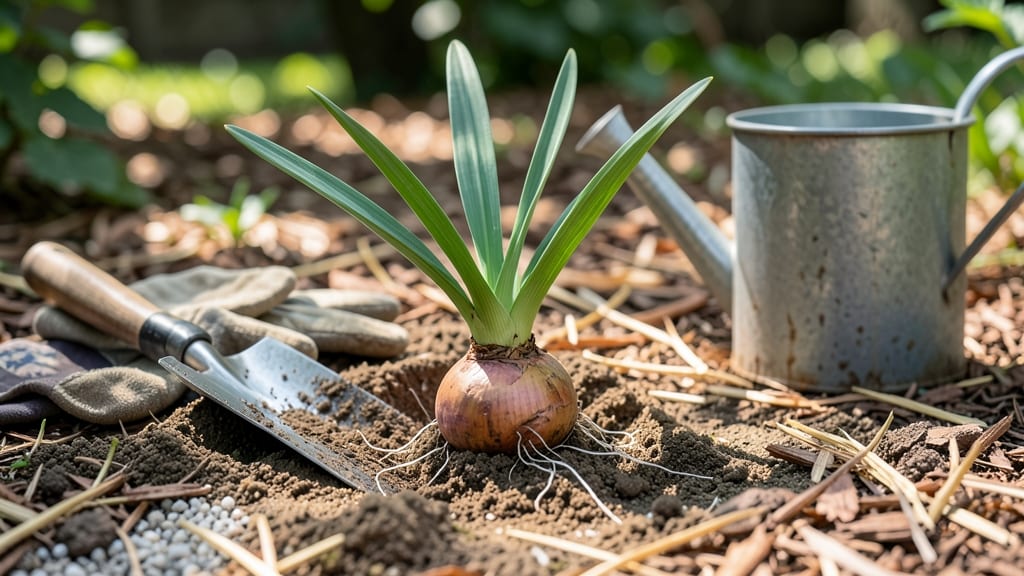
Planting amaryllis bulbs outside after the last frost or six weeks before the first frost ensures they thrive and bloom 🌸—but timing is everything.
Miss that window, and frost will kill your investment before it even sprouts. Picture this: you’ve waited months for those striking pink or red blooms, only to have a late freeze turn your garden into a sad, icy graveyard of potential.
In USDA Zone 6a, like much of the Midwest, that means aiming for late spring—after April 15—or early fall, before October 15. But regions vary: Southern California’s milder winters let you plant as early as August, while New England gardeners must wait until June.
Below, I’ll break down the exact frost-free windows for your zone, how to prep your soil, and the 3 signs your bulbs are truly ready for the ground. No more guesswork—just stunning blooms.
Optimal outdoor planting dates for amaryllis by USDA zone
Amaryllis bulbs thrive outdoors when planted at the right temperature thresholds—too early, and frost zaps their energy; too late, and they miss their blooming window.
Since USDA Zones 3-11 experience wildly different climates, I’ll break down the frost-free planting windows for each zone, plus soil prep steps to ensure success. Whether you’re in chilly New England or mild Southern California, these dates will maximize your blooms.
Most gardeners plant amaryllis in late spring or early fall, but the exact timing depends on your last frost date and first frost date.
For example, in Zone 3, you’ll plant after May 15, while in Zone 10, you can plant as early as August 1. The key is ensuring soil temperatures stay above 60°F (15°C)—cold soil stunts root growth.
Before planting, amaryllis bulbs need well-draining soil with a pH of 6.0-7.0. Mix in compost or sand if your native soil is heavy clay. In cooler zones (3-7), add a 2-inch mulch layer after planting to insulate roots from late-season frosts.
In warmer zones (8-11), prioritize shade cloth to protect bulbs from intense afternoon sun.
Here’s a zone-by-zone breakdown of ideal planting windows, including soil temperature thresholds and regional adjustments:
In Zones 3-4, where winters are brutal, I recommend planting amaryllis bulbs in containers first and moving them outdoors only after June 1. This gives roots time to establish before fall frosts arrive.
For Zones 5-7, aim for late May to early June—this ensures bulbs have 8-10 weeks of growth before winter dormancy.
Southern gardeners in Zones 8-11 have a longer window but must watch for heat stress. Plant in early fall (September) to let bulbs root before summer.
If planting in spring, choose shade-tolerant varieties like 'La Bella' to survive 100°F+ days. Always water deeply after planting to encourage root spread.
One common mistake? Assuming amaryllis and daffodils have the same planting times—they don’t! Daffodils go in fall, while amaryllis prefers spring or early fall. Another tip: If your local frost dates are unpredictable, use a frost cloth as a backup.
I’ve seen unexpected late frosts in Zone 7 ruin entire gardens—better safe than sorry!
After planting, monitor your amaryllis for new leaf growth, which signals successful transplanting. In Zones 3-6, expect blooms the following summer; in warmer zones, you might see flowers the same year if planted early.
Pro tip: Stake taller varieties like 'Paper White' before blooming to prevent wind damage.
For container gardeners, the rules shift slightly—you can plant amaryllis indoors in winter and move pots outside after May 15 in most zones. Just ensure pots have drainage holes to avoid root rot.
And remember: Overwatering is the #1 killer of outdoor amaryllis—let soil dry slightly between waterings once established.
With the right timing and soil
Signs your amaryllis bulbs are ready for transplanting outside
Transplanting amaryllis bulbs outside at the right time ensures they thrive in your garden. The key is watching for specific growth signals that show your bulbs are hardened off and ready for the outdoor environment.
If you rush this process, your bulbs may struggle with temperature shocks or poor adaptation. Let's explore the visual and physical cues that indicate readiness.
First, check your amaryllis bulbs for healthy leaf growth. Mature leaves—typically 6-8 inches long—are a strong indicator that the bulb has stored enough energy for outdoor conditions. If your leaves are still short or pale, give them more time indoors.
Strong, upright foliage also signals that the bulb is actively photosynthesizing, which is crucial for post-transplant success.
Another critical sign is the bulb's size and firmness. When ready, your amaryllis bulb should feel plump and firm to the touch, not shriveled or soft. A well-developed bulb—usually 3-4 inches in diameter—has the energy reserves needed to establish roots outdoors.
Measure your bulb's girth; if it's smaller, delay transplanting until it grows further.
✅ Amaryllis Transplant Checklist
- Leaf Length: 6-8 inches (healthy, upright)
- Bulb Size: 3-4 inches in diameter (firm, plump)
- Root Growth: 2-3 inches long (white, firm roots)
- Hardening Off: 7-10 days of outdoor acclimation (partial shade)
- Soil Temp: Above 60°F (no frost risk)
🌱 Ready for transplant when ALL conditions are met!
Don’t overlook the importance of root development. Healthy roots—2-3 inches long and white—mean your bulb can quickly adapt to outdoor soil. Gently remove your bulb from its pot to inspect roots; if they’re sparse or brown, wait longer.
Well-developed roots reduce transplant shock and help the bulb establish faster in garden soil.
Finally, perform a hardening-off process before full outdoor exposure. Gradually introduce your amaryllis to outdoor conditions over 7-10 days, starting with 2-3 hours of partial shade per day. Increase exposure slowly to full sun as your bulbs adjust. This mimics natural outdoor conditions and minimizes stress during the transition.
Once you’ve confirmed all these signs, your amaryllis bulbs are primed for outdoor planting. Choose a sunny, well-draining spot in your garden, and plant them 6-8 inches deep with the neck slightly exposed. With proper timing and care, your amaryllis will reward you with vibrant blooms all season long! 🌸