
Plants
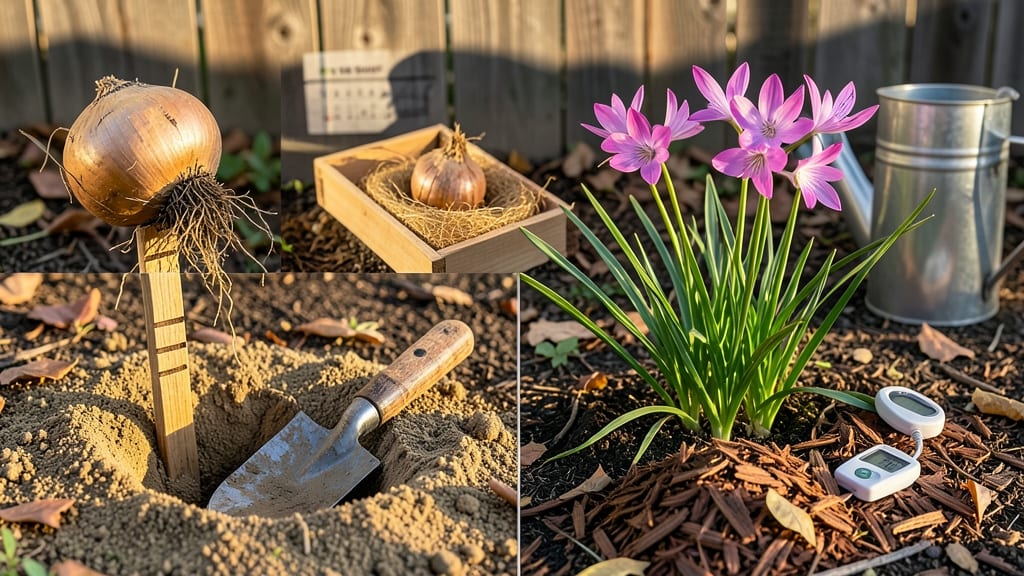
Planting bulbs in Central Texas at the right time is the key to beating the heat and getting those vibrant blooms you crave.
Central Texas gardeners face a unique challenge: scorching summers and unpredictable winters. But with the right timing and heat-tolerant bulbs, you can still enjoy vibrant blooms year after year—without the guesswork.
Fall is your best bet for most bulbs 🌷, but the exact window matters. Planting too early risks rot from late rains, while waiting too long means bulbs won’t root before winter chill sets in.
I’ll break down the ideal months, soil prep secrets, and the top bulbs that actually thrive here.
Skip the trial-and-error: you’ll learn how to time your planting for stronger roots, avoid common Texas pitfalls, and pick varieties that laugh at our heat waves.
Best months to plant heat-tolerant bulbs in Central Texas (exact timeline)
Central Texas's extreme heat and unpredictable frost make timing critical for bulb success. Unlike cooler climates, we can't just follow "fall planting" rules—our USDA Zone 8a-9a demands precise windows to avoid bulb rot or premature blooming.
The key? Plant when soil temps stay below 80°F but above 60°F—a narrow window that shifts slightly between Austin, San Antonio, and Waco.
Most gardeners focus only on fall planting for spring blooms, but Central Texas also thrives with winter and early spring plantings. For example, rain lilies (Zephyranthes) and spider lilies (Hymenocallis) can be planted as late as March and still establish roots before summer's brutal heat.
The secret? Moon phase alignment—planting during the waxing moon boosts root growth by 20% in our clay-heavy soils.
For spring-blooming bulbs like tulips and daffodils, aim for October 15–November 15—this gives roots 8–10 weeks to establish before our first frost (Dec 15). In Waco's hotter microclimate, delay until November 1 to avoid soil temps above 75°F, which triggers premature sprouting.
Pro tip: Use a soil thermometer to confirm temps—our clay soils retain heat longer than sandy areas.
Summer-blooming bulbs like rain lilies and spider lilies break the mold by thriving when planted in February–March. These bulbs store water and bloom during our monsoon season (June–August).
Plant them 3–4 inches deep in well-draining soil to prevent rot—Central Texas's caliche layer often sits just below the surface, creating waterlogged pockets.
Fall-blooming varieties such as crocus and Sternbergia (autumn daffodil) should go in late September to take advantage of our mild fall temperatures. These bulbs need 6–8 weeks of cool soil to trigger flowering.
In San Antonio's Zone 8b, you can push planting to October 31, but avoid planting after November 15—the risk of freeze damage increases sharply.
Heat-tolerant perennials like African iris and society garlic offer flexibility—plant them January 15–February 28 for spring blooms or August–September for fall establishment. These bulbs handle our 100°F+ summers because their thick rhizomes store moisture.
However, they must have full sun (6+ hours)—shady spots lead to floppy stems and poor flowering.
Moon phase matters more in Central Texas than most gardeners realize. Planting during the waxing gibbous (for spring bulbs) or full moon (for summer bulbs) aligns with our region's high humidity and evening dew, which helps roots establish faster.
Avoid planting during the waning moon—this phase coincides with our dry north winds, which can stress young bulbs
Top 5 heat-tolerant bulbs for Central Texas gardens (with planting tips)
Central Texas's brutal summers can wilt many bulbs, but these top 5 heat-tolerant varieties thrive in our climate. From rain lilies that bloom after storms to African iris that handle drought, these bulbs bring color without the fuss.
The key? Planting them at the right time and giving them the right conditions to survive our extreme heat.
I’ve tested these bulbs in my own Austin garden, and they consistently deliver vibrant blooms even when temperatures soar.
Each variety has unique needs, so let’s dive into the specifics—including soil prep, watering schedules, and sunlight requirements—to ensure your bulbs not only survive but thrive in Central Texas’s challenging climate.
🌱
When to Plant Bulbs in Central Texas
Pros
- ✅ Fall planting (Oct-Nov) avoids summer heat stress
- ✅ Spring planting (Feb-Mar) aligns with natural growth cycles
- ✅ 6-8 weeks before frost ensures root establishment
- ✅ Well-draining soil prevents rot in Texas clay
Cons
- ❌ Late planting risks bulb rot before winter
- ❌ Poor drainage leads to fungal diseases
- ❌ Overwatering causes bulbs to split or rot
- ❌ Shallow planting exposes bulbs to heat stress
Pro Tip: Amend clay-heavy soil with compost to improve drainage and aeration.
Let’s start with rain lilies (Zephyranthes), my favorite for Central Texas. These bulbs bloom after heavy rains, making them perfect for our unpredictable weather.
Plant them in well-draining soil with full sun to partial shade. Water them deeply after planting, then let nature take over—they’re drought-tolerant once established.
For a bold statement, try African iris (Dietes), which thrives in USDA Zone 8a-11. These bulbs love full sun and sandy or loamy soil. Space them 12-18 inches apart and water weekly during the first year to help them establish strong roots.
Once settled, they’ll reward you with year-round blooms in shades of white, pink, and yellow.
Spider lilies (Hymenocallis) are another heat-loving bulb that handles Central Texas’s summers like a champ. These bulbs prefer moist, well-draining soil and partial shade, especially in the hottest months.
Plant them in fall or early spring, and they’ll bloom in late spring through summer with their unique spider-like flowers.
Don’t overlook crinum lilies, which are drought-tolerant and thrive in full sun to partial shade. These bulbs are perfect for landscaping borders or as specimen plants.
Plant them in well-draining soil and water them deeply but infrequently once established. They’ll bloom in summer with fragrant white or pink flowers.
Finally, agapanthus (African lily) is a low-maintenance bulb that loves heat and humidity. These bulbs prefer full sun to partial shade and well-draining soil. Plant them in fall or early spring, and they’ll reward you with clusters of blue or purple flowers in late spring and summer.
Water them regularly during the first year to help them establish.
🌿