
Plants
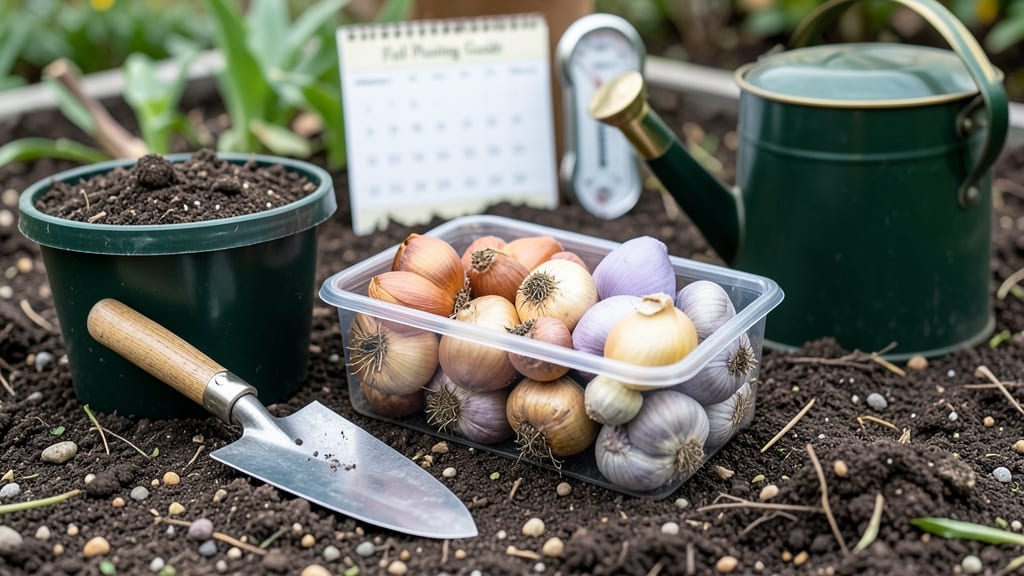
Planting bulbs in Colorado requires knowing exactly when to plant them for reliable blooms, because the wrong timing can mean the difference between a spring garden full of 🌷 daffodils and a missed opportunity.
Colorado gardeners know timing is everything—plant bulbs too early, and they’ll rot; too late, and they won’t bloom. But with the right chill-hour strategy for your zone, you can guarantee vibrant tulips, daffodils, and alliums year after year.
Fall planting is the gold standard in Colorado’s zones 5-7, where bulbs need 6-8 weeks to root before winter sets in. That means September and early October are your sweet spots, but Denver’s urban heat islands and mountain microclimates can shift those windows by weeks.
Here’s how to nail the timing, adjust for your specific zone, and avoid the three mistakes that kill Colorado bulbs—plus a checklist to ensure your spring flowering bulbs thrive from the first frost to the first bloom.
Best planting months for Colorado bulbs by hardiness Zone (5-7)
Colorado’s USDA zones 5-7 create unique challenges for bulb planting, where early freezes and high-altitude microclimates demand precision timing. Unlike warmer climates, our fall planting window is narrow—typically September through November—but varies by elevation.
For example, Denver (Zone 5b) may need bulbs in the ground by mid-October, while mountain regions (Zone 6-7) can stretch planting until late November.
Spring planting is also an option for tender bulbs like dahlias, but most hardy bulbs—tulips, daffodils, crocuses—prefer fall planting to establish roots before winter.
The key is 6-8 weeks before the first hard frost, which in Colorado typically arrives between October 15 and November 15, depending on your zone. Missing this window risks rot or poor blooming the following spring.
Here’s your zone-specific planting calendar for Colorado’s most popular bulbs, including adjustments for high-altitude gardens (e.g., Eagle County vs. Colorado Springs). Use this as your guide to avoid common mistakes like planting too shallow or too late.
| Bulb Type | Zone 5 (Denver, Fort Collins) | Zone 6 (Colorado Springs, Pueblo) | Zone 7 (Mountain Regions, Telluride) | Key Notes |
|---|---|---|---|---|
| Tulips | Sep 15–Oct 15 | Sep 20–Nov 1 | Sep 25–Nov 10 | Needs chill-hours; plant deep (6–8"). |
| Daffodils | Oct 1–Nov 1 | Oct 10–Nov 15 | Oct 15–Dec 1 | Deer-resistant; tolerates shallow soil. |
| Crocuses | Sep 1–Oct 15 | Sep 10–Nov 1 | Sep 15–Nov 10 | Early bloomers; ideal for rock gardens. |
| Alliums | Sep 15–Oct 30 | Sep 20–Nov 1 | Sep 25–Nov 15 | Drought-tolerant; plant shallow (4–6"). |
| Hyacinths | Sep 1–Oct 15 | Sep 10–Nov 1 | Sep 15–Nov 10 | Fragrant but deer magnets; plant in clusters. |
For high-altitude gardens (Zone 7), extend your planting window by 2–3 weeks due to later frosts. For example, in Telluride (Zone 7), I’ve successfully planted tulips in early November without issues.
Conversely, Denver’s Zone 5 demands earlier action—tulips must be in the ground by October 15 to avoid frost damage.
Adjust for microclimates: A north-facing slope may freeze earlier than a south-facing yard. Test your soil’s readiness by pushing a trowel into the ground—if it’s difficult to insert (not frozen but firm), it’s time to plant. In rocky soil, amend with compost or sand to improve drainage
How chill-hours determine bulb success in Colorado’s climate
Colorado’s variable winters can make or break your bulb garden. Some bulbs like tulips need 12-15 chill-hours to bloom, while daffodils thrive with just 6-10 chill-hours. Understanding your zone’s chill-hours helps you pick the right bulbs for reliable spring blooms.
In Zone 5, early frosts mean planting tulips in September for best results, while Zone 7 gardeners can wait until October.
Chill-hours are the number of hours below 45°F a bulb needs to trigger flowering. Colorado’s high-altitude zones often get more chill-hours than lower elevations, which can confuse gardeners. For example, Denver (Zone 5) averages 800-1,000 chill-hours, while Grand Junction (Zone 6) might only get 600-800.
This explains why hyacinths (which need 15+ chill-hours) may struggle in southern Colorado but excel in the mountains.
- 1 Chill-hour needs vary: Tulips (12-15h), Daffodils (6-10h), Alliums (10-12h).
- 2 Calculate chill-hours: Use a minimum-maximum thermometer to track temps below 45°F for 6 weeks.
- 3 Foolproof bulbs: Daffodils and alliums adapt best to Colorado’s variable chill—plant them in September-October.
- 4 Avoid late planting: Bulbs need 4-6 weeks to root before winter—don’t wait until November.
If you’re unsure about your chill-hours, check your USDA Zone and elevation. For example, Boulder (Zone 5) often gets 1,000+ chill-hours, while Colorado Springs (Zone 6) might only hit 800.
This is why tulips bloom reliably in Boulder but may fail in Springs unless you choose low-chill varieties. Always read bulb packages for chill-hour requirements—it’s the secret to consistent blooms.
For high-altitude gardens (above 7,000 feet), chill-hours can exceed 1,200, making hyacinths and fritillaries better choices than tulips. In these areas, plant hyacinths in August to give them time to establish roots before winter.
Meanwhile, Zone 7 gardeners in Pueblo should stick to daffodils and crocuses, which handle fewer chill-hours gracefully.
Pro tip: Use a soil thermometer to monitor ground temps. Plant bulbs when soil reaches 60°F—this ensures roots establish before cold sets in. In Denver, aim for mid-September planting; in Grand Junction, wait until late September.
The key is balancing root growth and chill exposure—too early, and bulbs rot; too late, and they won’t bloom.
Don’t overlook mulching after planting. A 3-inch layer of straw insulates bulbs and regulates soil temps, helping them meet their chill-hour needs. In mountain regions, where temps fluctuate wildly, mulch with pine needles to prevent frost heave.
With the right chill-hour strategy, your Colorado bulb garden will reward you with bold, reliable blooms every spring. 🌷