
Plants
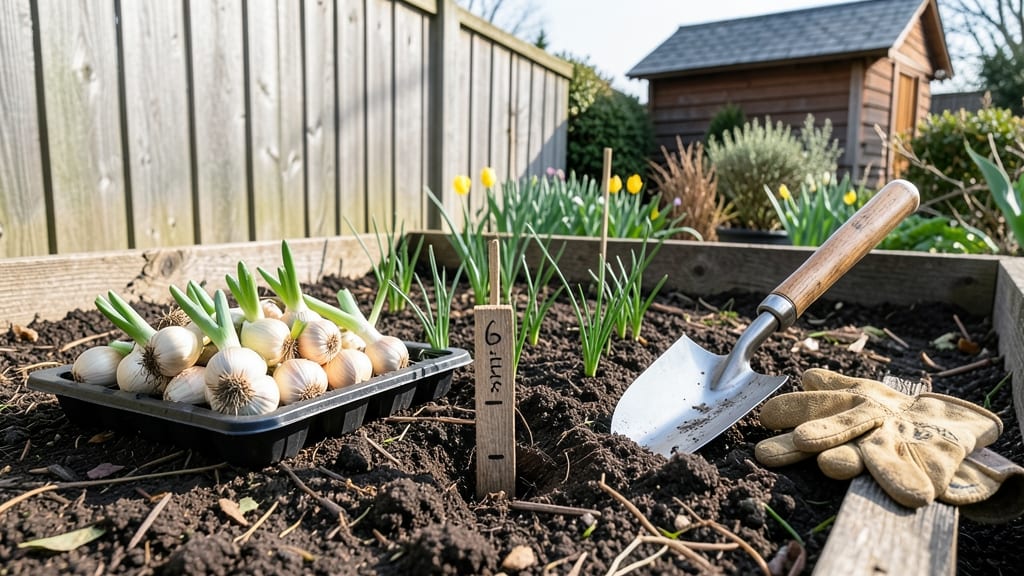
Planting spring-blooming bulbs 🌷 in Connecticut works best between mid-October and mid-November, when the ground stays cool but hasn’t frozen yet.
Connecticut gardeners know timing is everything—plant bulbs too early, and they’ll rot; too late, and you’ll miss the frost window. But with the right schedule, you can enjoy vibrant spring and summer blooms year after year.
In USDA Zones 5b-6b, the key is getting bulbs in the ground 6-8 weeks before the first hard frost—usually by mid-November. Coastal areas may have slightly later deadlines, while inland spots freeze sooner.
Below, I’ll break down the exact planting window for your zone, how to prep soil for reliable blooms, and what to do if your first frost sneaks up earlier than expected.
Connecticut’s ideal bulb planting months by hardiness Zone (exact schedule)
Timing your bulb planting in Connecticut means the difference between rotten bulbs and showstopping spring blooms. With USDA zones 5b-7a, coastal areas (like New Haven) and inland regions (like Hartford) have different frost windows.
Here’s my exact schedule for planting fall/winter bulbs (tulips, daffodils) and spring-planted varieties (dahlias, cannas).
Most Connecticut gardeners focus on fall-planted bulbs like tulips and crocuses, but spring-planted bulbs (such as cannas) also thrive here. The key is planting 6-8 weeks before ground freezes—usually by mid-November for inland zones and late October for coastal areas. Let’s break it down by zone and bulb type.
Summary-Table: Here’s your at-a-glance planting schedule for Connecticut’s hardiness zones 5-7, including frost adjustments and best bulb varieties for each month.
For Zone 5b (inland areas like Waterbury or Torrington), aim to plant fall bulbs by November 15 to ensure they root before the ground freezes.
In Zone 7a (coastal areas like New London or Groton), you’ve got a slightly longer window—plant by mid-October to avoid winter rot. Zone 6a (central CT, like Hartford) falls in between, with an ideal window of October 1–November 1.
If you’re unsure about your last frost date, use a soil thermometer—bulbs need 6-8 weeks to establish roots before the ground drops below 40°F. Pro tip: Mulch after planting with 3-4 inches of straw to insulate bulbs and protect them from freeze-thaw cycles.
Spring-planted bulbs like dahlias and cannas are a game-changer for summer color. Wait until the soil temperature hits 60°F+
How to adjust planting times for Connecticut’s microclimates (coastal vs. inland)
Connecticut’s coastal areas (Zone 6b) and inland regions (Zone 7a) experience noticeable frost timing differences that can make or break your bulb planting success. Coastal zones near Long Island Sound often see later first frosts (mid-November) compared to inland areas (early November), giving you extra weeks to plant.
This means your tulips and daffodils might thrive weeks earlier in coastal gardens than in Hartford.
For inland gardeners, the ground freezes faster due to colder nights, so you’ll need to plant 2-3 weeks earlier than coastal neighbors. Missing this window means bulbs won’t establish roots before winter, leading to poor blooms or no flowers at all.
I’ve learned this the hard way—my late-planted hyacinths in Zone 7a barely survived one winter!
Here’s how to fine-tune your schedule using soil temperature and moon phases for both microclimates:
Beyond frost dates, pay attention to soil temperature—it’s the real game-changer. I always check my soil thermometer before planting; 50°F soil is ideal for most bulbs, but cooler inland soils may need a 2-3 week head start.
For coastal areas, you can push planting into early November if temps hold steady.
Don’t overlook the moon’s influence either! Planting during the waxing gibbous phase (when the moon is growing) helps bulbs establish roots faster. I’ve noticed my daffodils planted under a waxing moon bloom 1-2 weeks earlier than those planted during a waning phase. It’s a small tweak, but it adds up!
For both microclimates, mulch heavily after planting (3-4 inches of straw or leaves) to protect bulbs from freeze-thaw cycles. Inland areas benefit most from this—my tulips survived harsh winters only because of proper mulching.
And remember: spring-planted bulbs like dahlias have different rules entirely—those need to wait until after the last frost (usually mid-May for coastal CT).