
Plants
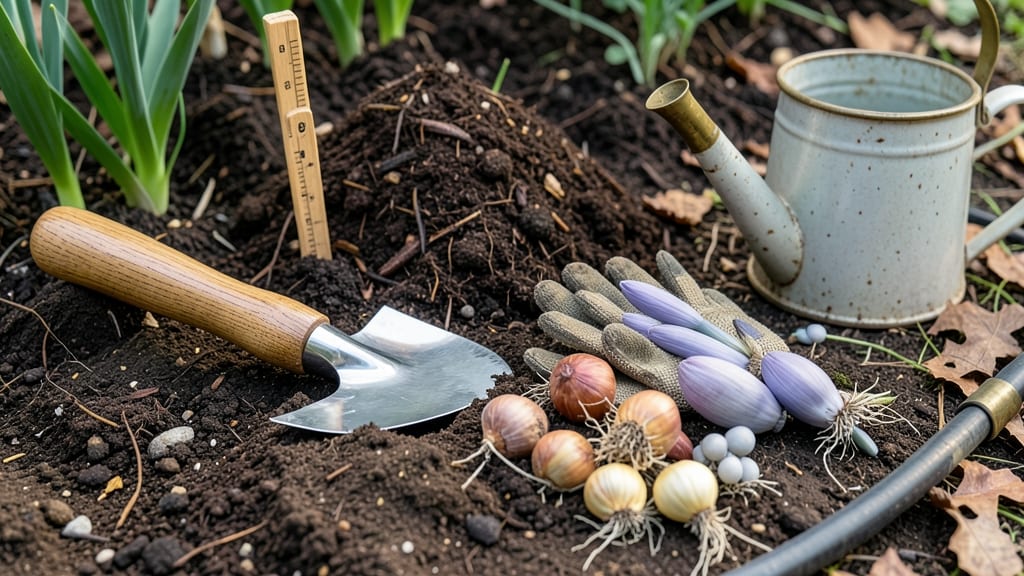
Planting bulbs in Georgia between September and November ensures vibrant spring blooms 🌷—but timing varies by bulb type and your local climate zone.
Georgia’s mild winters and humid summers create the perfect conditions for stunning spring blooms—but planting bulbs at the wrong time can leave you with flops instead of flowers. Timing is everything, and knowing exactly when to plant each type of bulb ensures your garden bursts into color year after year.
In USDA zones 7b-8b, most bulbs thrive when planted 6-8 weeks before the first frost, which typically hits in mid-November. However, some varieties like spider lilies or rain lilies prefer winter planting, while classic tulips and daffodils demand fall prep for peak performance.
Below, I break down the ideal planting windows for Georgia’s two main regions—North vs. South—plus soil prep tips, bulb-specific tricks, and how to protect your investment from pests and unpredictable weather.
Best fall planting months for Georgia bulbs by climate zone
Georgia’s diverse climate—from the coastal plains to the mountainous north—means bulb planting times vary dramatically. In USDA Zones 7b-8b, timing your fall bulb planting 6-8 weeks before the first frost is critical.
For North Georgia (Zones 7a-7b), aim for late September to early November, while South Georgia (Zones 8a-8b) can plant until mid-November. Soil temperatures should be between 50-60°F for optimal root growth.
Missed the fall window? Winter planting is still possible in January-February for hardy bulbs like daffodils and tulips, but spring blooms may be delayed. The key is avoiding freezing soil or overly wet conditions, which can rot bulbs before they establish roots.
Always check your local frost dates—in Atlanta, the average first frost is mid-November, while Savannah may see frost as late as December.
Soil prep is just as important as timing. Test your soil’s drainage—bulbs rot in soggy soil. Amend heavy clay with compost or sand, and ensure the planting area gets full sun to partial shade. For well-draining soil, mix in perlite or vermiculite if your garden holds moisture. A pH of 6.0-7.0 is ideal for most bulbs.
| Climate Zone | Ideal Planting Window | Soil Temp | Best Bulbs | Avoid Planting After |
|---|---|---|---|---|
| North Georgia (7a-7b) | Late September - Early November | 50-60°F | Tulips, Daffodils, Hyacinths | Mid-November |
| Central Georgia (7b-8a) | Mid-September - Mid-November | 55-65°F | Crocuses, Alliums, Rain Lilies | Late November |
| South Georgia (8a-8b) | Early September - Mid-November | 60-70°F | Spider Lilies, Daylilies, Canas | Early December |
Planting too early (before soil cools) can cause bulbs to sprout prematurely, only to be killed by frost. Conversely, planting too late leaves bulbs vulnerable to rot or pests before roots establish.
For tulips and hyacinths, aim for late September in North Georgia, while daffodils and crocuses can handle slightly later plantings. In South Georgia, spider lilies and daylilies thrive when planted in early fall to avoid summer heat stress.
Dig holes 3 times deeper than the bulb’s height and 2-3 times wider. Place bulbs with the pointy end up, and space them according to their mature size—tulips need 4-6 inches apart, while daffodils can handle 6-9 inches.
Cover with soil, then water deeply to settle the roots. A 1-inch layer of mulch helps retain moisture and regulate soil temperature.
Georgia’s humid climate can encourage fungal diseases, so avoid overwatering. After planting, water once a week unless rain falls. In drought-prone areas like Southwest Georgia, consider a drip irrigation system to deliver consistent
How to choose bulbs for Georgia’s unique growing conditions
Georgia’s heat and humidity might make you think traditional spring bulbs like tulips struggle—but the opposite is true! The right heat-tolerant bulbs thrive here, multiplying aggressively and blooming reliably. My top picks are spider lilies, rain lilies, and daylilies, which handle Georgia’s climate like pros.
These varieties not only survive but multiply year after year, reducing your maintenance workload.
One of my favorite low-maintenance bulbs for Georgia gardens is the spider lily (Lycoris radiata). This bulb blooms in late summer when most gardens are fading, producing striking magenta flowers that stand out against the heat.
It’s drought-tolerant once established and spreads easily, making it perfect for border plantings or wildflower meadows. Just plant the bulbs 6 inches deep in well-draining soil and give them full sun to partial shade.
Rain lilies (Zephyranthes) are another Georgia garden staple because they bloom after heavy rains, adding a pop of color to your landscape. These small, pink or white flowers appear almost magically after a downpour, making them a unique conversation piece.
Plant them 3 inches deep in sandy or loamy soil and space them 4 inches apart. They thrive in partial shade to full sun and are deer-resistant, a bonus for many Georgia gardeners.
Daylilies (Hemerocallis) are hardy perennials that act like bulbs—they produce clump-forming foliage and vibrant blooms in shades of yellow, orange, and red. They’re extremely adaptable to Georgia’s climate, tolerating heat, humidity, and even poor soil.
For best results, plant daylily corms 1-2 inches deep and space them 18-24 inches apart. They prefer full sun to partial shade and well-draining soil.
🌱 Pros and Cons of Top Georgia Bulbs
- ✅ Blooms in late summer
- ✅ Drought-tolerant once established
- ✅ Multiplies aggressively
- ❌ Toxic to pets if ingested
- ❌ Needs well-draining soil
- ✅ Blooms after rain
- ✅ Deer-resistant
- ✅ Low-maintenance
- ❌ Short-lived blooms (24 hours)
- ❌ Needs sandy soil
- ✅ Extremely hardy
- ✅ Tolerates heat and humidity
- ✅ Long bloom season
- ❌ Can spread aggressively
- ❌ Needs occasional division
For shady spots, consider crocuses (Crocus) or snowdrops (Galanthus), which bloom early in USDA Zone 7b before the heat sets in. Plant these 2-3 inches deep in well-draining soil and space them 3-4 inches apart.
They prefer partial to full shade and are great for woodland gardens or under trees. These bulbs are low-maintenance and reliable, making them ideal for beginner gardeners.
If you’re looking for bold, dramatic blooms, alliums (Allium) are a fantastic choice. Their purple globe-shaped flowers add height and texture to border plantings or cottage gardens. Plant allium bulbs 6-8 inches deep and space them 8-12 inches apart.
They thrive in full sun to partial shade and well-draining soil, making them perfect for Georgia’s clay-heavy soils if amended with compost.
Remember, the key to successful bulb planting in Georgia is choosing varieties that match your sunlight conditions and soil type. Most bulbs need well-draining soil, so amend heavy clay with organic matter like compost or pine bark fines.
Mulch after planting to retain moisture and regulate soil temperature, especially during Georgia’s hot summers. With the right bulbs and care, your garden will burst into color year after year! 🌷