
Plants
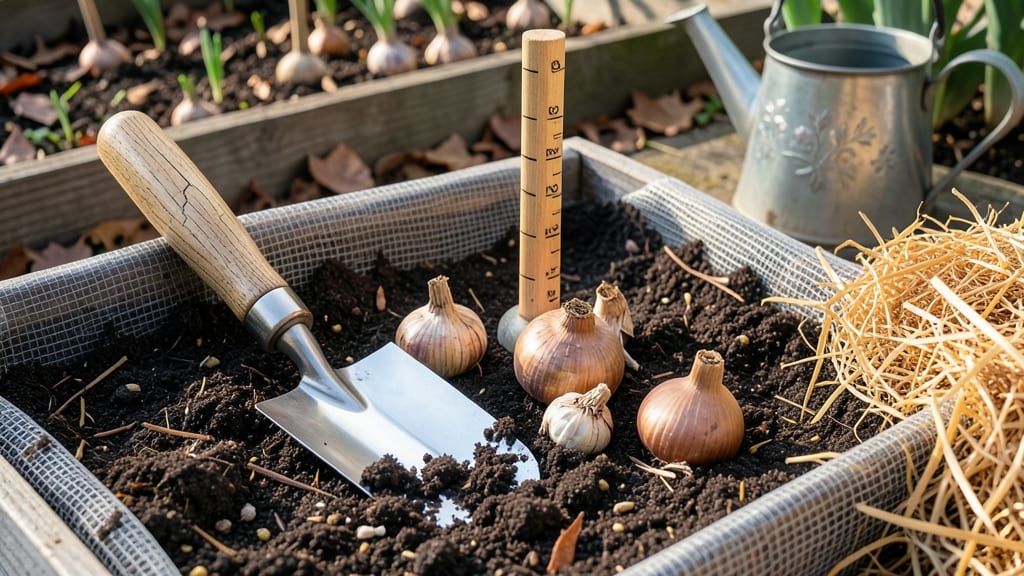
Planting bulbs in Missouri at the right time means the difference between a spring garden explosion and a wasted investment.
Missouri gardeners know timing is everything—plant bulbs too early, and frost will ruin them; too late, and they’ll miss peak blooms. But with the right frost-date formula, you can transform your yard into a springtime explosion of color with confidence.
In zones 5b-6b, fall is the sweet spot for most varieties, but spring-planted bulbs like tulips need a different approach. We’ll break down the exact windows, soil prep tricks, and how to adjust for Missouri’s unpredictable weather—so you never miss another bloom.
Ready to master the timing? Here’s how to plant bulbs in Missouri for perfect results every season.
Missouri frost-date formula: exact months to plant bulbs by variety
Missouri’s USDA Zones 5b-6b create a delicate balance for bulb planting—too early, and frost zaps tender roots; too late, and bulbs won’t establish before winter. The key?
Planting 6-8 weeks before the first hard frost (typically mid-October) for fall varieties, or 4-6 weeks before the last frost (usually mid-March) for spring-planted types. But Missouri’s unpredictable weather means flexibility is critical.
Most gardeners in St. Louis, Kansas City, and Springfield rely on the Missouri State Climatologist’s frost data, which shows a 90% chance of frost by October 15 in Zone 5 and October 22 in Zone 6.
For spring plantings, the last frost date averages April 15—but urban areas like Columbia can run 2-3 weeks later due to heat islands.
Here’s your Missouri-specific frost-date formula for bulbs, broken down by variety and adjusted for early/late frost years:
| Bulb Variety | Ideal Planting Window | Adjustments for Early/Late Frost | Missouri-Specific Notes |
|---|---|---|---|
| Daffodils (Narcissus) | September 15–October 15 | Push to October 30 if soil stays warm; delay to November 10 in cold snaps. | Thrives in wet springs—ideal for low-lying areas. |
| Tulips (Tulipa) | October 1–November 15 | Plant by October 15 in Zone 5; extend to November 30 in Zone 6. | Needs well-draining soil—amend clay with compost. |
| Hyacinths (Hyacinthus) | September 15–October 15 | Plant by October 1 for reliable blooms; late plantings may not flower. | Loves full sun—perfect for south-facing beds. |
| Crocuses (Crocus) | September 1–October 15 | Can handle late October plantings if soil is workable. | One of the earliest bloomers—appears in late winter. |
| Alliums (Allium) | September 15–October 30 | Tolerates November plantings if ground isn’t frozen. | Drought-tolerant—ideal for xeric landscapes. |
| Spring-Planted Bulbs (e.g., Dahlias) | March 1–April 15 | Wait until April 1 in Zone 5; plant by March 15 in Zone 6. | Needs warm soil—use black plastic mulch to speed thawing. |
For tender bulbs like dahlias or gladiolas, Missouri gardeners often wait until late March or early April to plant, once soil temperatures exceed 50°F. Use a soil thermometer to confirm—these bulbs rot in cold soil.
In contrast, hardy bulbs like daffodils and crocuses can handle fall plantings until November if the ground isn’t frozen.
Pro tip: If your Missouri frost date runs late (like in 2019’s delayed freeze), prioritize daffodils and alliums—they’re the most frost-resistant. For tulips and hyacinths, err on the earlier side (by October 15) to ensure root establishment before winter.
Urban gardeners in St. Louis or Kansas City may experience microclimates that delay frost by 1-2 weeks. Test your yard’s frost date by placing a frost-sensitive plant (like basil) in a pot overnight—if it survives, you’re likely in a warmer microclimate and can plant bulbs 10-14 days later.
Finally, amend heavy Missouri clay soil with compost or sand to prevent bulb rot. Plant bulbs at a depth of 6–8 inches (or 3x the bulb’s height) and water deeply after planting to encourage root growth before frost sets in.
With this Missouri frost-date formula, your bulbs will bloom earlier and more vigorously—turning your yard into a springtime masterpiece with minimal guesswork. Happy planting! 🌷
5 Critical factors that shift your Missouri bulb planting timeline
Missouri’s unpredictable weather and diverse microclimates can turn standard planting advice into a guessing game. While most gardeners aim for September-October for fall bulbs, real-world conditions demand flexibility.
I’ve learned the hard way that soil temperature, bulb hardiness, and even your yard’s urban vs. rural location can shift ideal dates by 3-4 weeks—sometimes earlier, sometimes later.
For example, my St. Louis urban garden (Zone 6a) often gets heat islands that delay frost, while my sister’s rural farm in Zone 5b might see early freezes. These differences mean the same tulip bulbs planted in September in the city could rot in the country.
Here’s how to adjust your timeline based on five game-changing factors.
- 1 Soil Temperature: Wait until soil hits 60°F (15°C)—use a soil thermometer! In northern Missouri, this could mean planting in late October, while southern areas might be ready by mid-September.
- 2 Bulb Hardiness: Hardy bulbs (daffodils, crocuses) can handle Zone 5 freezes, so plant by November 1st. Tender bulbs (dahlias, cannas) need Zone 7+ protection—plant in containers or dig up before frost.
- 3 Urban Heat Islands: Cities like Kansas City stay 5-10°F warmer than rural areas. Plant 2 weeks earlier in urban zones to avoid overheating before winter. Test with thermometer strips in your yard.
- 4 Microclimates: South-facing slopes warm faster—plant 1 week early. Low-lying areas hold cold longer—delay by 1-2 weeks. Observe where last year’s bulbs thrived (or failed).
- 5 Weather Forecasts: Check the 10-day soil temp forecast (not air temp!). If freeze warnings appear, plant immediately—even if it’s late October. Use mulch (straw or leaves) to insulate bulbs if frost threatens early.
I once planted tulip bulbs in early October in Columbia, only to have them rot in the ground after a 50°F soil spike followed by 32°F nights. The lesson? Soil temperature matters more than calendar dates.
Invest in a $10 soil thermometer—it’s the difference between a garden full of blooms and a graveyard of bulbs.
For spring-planted bulbs (like caladiums), wait until after the last frost (typically mid-April in Zone 6), but hardy varieties like crocuses can handle light frosts.
If you’re in doubt, use black plastic mulch to warm the soil 2-3 weeks earlier—it’s a lifesaver for late-season plantings.
Missouri’s unpredictable spring can also throw off timing. If you plant too late in fall, bulbs may sprout early and get fried by winter. The fix? Chill bulbs in the fridge for 6-8 weeks before planting if you’re running behind schedule.
It mimics natural winter dormancy and buys you 2-3 extra weeks.