
Plants
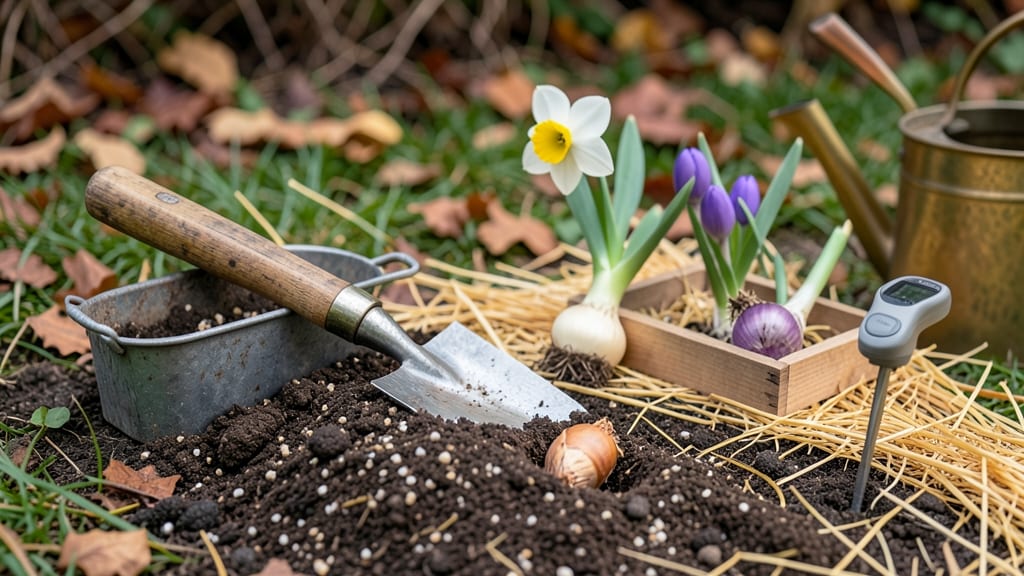
Planting bulbs in Zone 6 at the right time ensures perfect spring blooms every year, and the key is knowing exactly when to put them in the ground.
Zone 6 gardeners know timing is everything—plant bulbs too early, and they’ll rot; too late, and spring blooms vanish. But with the right chill-hour chart and planting schedule, you can unlock vibrant tulips, daffodils, and more every season.
Fall is the prime window for most bulbs, with October to November being ideal for varieties like tulips and daffodils, while early spring (March to April) works for hardier types. The trick? Matching planting dates to your specific microclimate and chill-hour needs.
In this guide, I’ll break down the exact months for each bulb type, soil prep tips to avoid common mistakes, and how to adjust for early or late Zone 6 springs. No more guesswork—just flawless blooms year after year.
Zone 6 bulb planting calendar: exact months by chill-hour requirements
Mastering the Zone 6 bulb planting calendar means understanding your chill-hour range (1,500–2,000 hours) and soil temperature thresholds. Most spring-flowering bulbs—like tulips and daffodils—need 6–8 weeks of cold dormancy before they’ll bloom reliably. Plant too early, and they’ll rot; too late, and you’ll miss the fall planting window entirely.
Fall-planted bulbs (like crocus and allium) must go into the ground 6–8 weeks before your first hard frost—typically between mid-October and mid-November in Zone 6. Spring-planted varieties (e.g., hyacinths) get a second chance in early March, but they’ll bloom later in the season.
Let’s break down the exact planting timeline for each type.
🌱 Key Rule: Soil temperatures should be below 60°F (15°C) for fall planting. Use a soil thermometer to check—if it’s warmer, wait a week. For spring planting, wait until the ground is workable but not soggy (usually 40–50°F / 4–10°C).
Notice how daffodils have a wider chill-hour tolerance and can handle slightly warmer soil? That’s why they’re often the most reliable bloomers in Zone 6. Hyacinths, however, are spring-planted because they need extra cold exposure—plant them too early in fall, and they’ll rot before winter sets in.
For regional microclimate adjustments, check your last frost date. Northern Zone 6 (e.g., Buffalo, NY) can plant 2 weeks earlier than southern areas (e.g., Atlanta, GA). Use mulch (straw or leaves) after planting to insulate bulbs from temperature swings in early winter.
Pro tip: If you’re in a warmer microclimate (like a south-facing slope), plant shade-loving bulbs like woodland phlox or glory-of-the-snow—they’ll handle the extra heat better. For cooler spots, tulips and allium will thrive with full sun exposure.
One common mistake is planting bulbs in wet, heavy clay soil. Amend the soil with compost or sand to improve drainage. Bulbs rot when they sit in soggy conditions, even in winter. If your soil stays waterlogged, raise beds or plant bulbs on mounds.
Finally, don’t forget to fertilize lightly in early spring (when shoots emerge) with a balanced 5-10-10 fertilizer. This gives bulbs the energy boost they need
How to adjust planting dates for early vs. late Zone 6 springs
Zone 6 springs can be unpredictable—one year the last frost arrives by April 1st, while another year you’re still shoveling snow in mid-April. These swings force gardeners to adapt their bulb planting dates to avoid January thaw false starts or missed bloom windows.
The key lies in understanding soil warmth and chill-hour requirements for your specific bulbs.
For hardy bulbs like daffodils and crocus, you can push planting dates 2-3 weeks earlier in mild Zone 6 winters (like 6b areas). But tender species such as tulips and hyacinths demand stricter timing—plant them 6-8 weeks before ground freeze to prevent rot from fluctuating temperatures.
Let’s break down how to adjust your schedule.
- 1. Early Springs: Delay fall planting by 1-2 weeks (e.g., plant tulips in late November instead of mid-November) to avoid January thaw waking them too soon.
- 2. Late Springs: Advance spring planting of hardy bulbs (like allium) to early March if soil temps hit 50°F+—they’ll bloom earlier and compensate for delayed seasons.
- 3. Soil Test First: Use a soil thermometer—plant when temps are 50-60°F for spring bulbs or below 60°F for fall bulbs to prevent premature sprouting.
- 4. Bulb Type Matters: Daffodils (hardy) can handle earlier planting in September, while tulips (less hardy) need October-November timing.
- 5. Mulch Strategically: Apply 3-4 inches of mulch after planting to insulate bulbs from temperature swings—critical in Zone 6a where frosts linger.
If you’re in a Zone 6a area with colder winters, prioritize fall planting for spring blooms. For example, tulips planted in late October will have time to establish roots before winter, while early March is your last chance for spring-planted bulbs like caladiums (which need warm soil to thrive).
Watch for January thaws—these can trick bulbs into sprouting too early. If you see green shoots in winter, cover them with straw mulch or burlap to protect them from refreezing damage. This simple step can save your tulip blooms from turning to mush.
For late Zone 6b gardeners, you can experiment with earlier spring planting (as early as February) for heat-tolerant bulbs like gladiolus or canna lilies. These varieties handle warmer soils better and reward you with longer bloom seasons.
Just monitor soil moisture—dry spells in late spring can stress newly planted bulbs.
Pro tip: Keep a gardening journal to track your local frost dates and bloom timelines over 3 years. This helps you fine-tune your schedule—next year, you’ll know exactly when to plant daffodils for Easter blooms or adjust tulip dates to avoid late May rain ruining your display. 🌷