
Plants
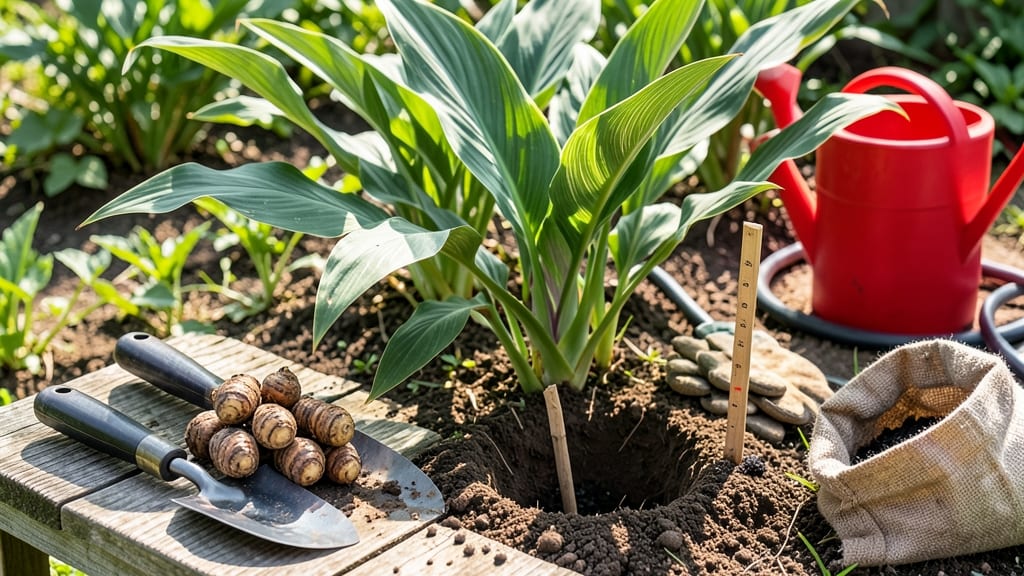
Planting canna bulbs in Kansas after the last frost date ensures those stunning 🌺 blooms thrive all summer long.
Kansas gardeners know the struggle: plant canna bulbs too early, and frost wipes them out; too late, and you miss the full summer bloom. Timing is everything—and getting it right means vibrant, frost-free cannas from spring to fall.
In USDA zones 5b-7a, your best window runs from mid-April to early June, but regional frost dates can shift that by weeks. A late spring freeze in Wichita might still linger while Topeka is already safe—so knowing your microclimate is the key to zero winter loss.
Below, I’ll break down the exact frost-free zone timeline by city, plus soil prep tricks to get your cannas off to a fast, healthy start—no more guessing games, just guaranteed blooms.
Kansas frost-free zones: the exact week to plant canna bulbs by region
Kansas gardeners know timing is everything when planting canna bulbs—these tropical beauties thrive in warmth but perish in frost. The key to zero winter loss? Planting after your last frost date, when soil temperatures consistently stay above 60°F.
With Kansas' USDA zones 5b-7a, your exact planting window depends on your region's microclimate.
In northern Kansas (zones 5b-6a), like Hays or Salina, wait until mid-to-late May—frost lingers longer here, and early planting risks damage. Meanwhile, southern Kansas (zone 7a), including Wichita and Garden City, can plant as early as early April once nighttime temps stay above 55°F.
🌺 Pro Tip: Use a soil thermometer to confirm 60°F+ soil temps before planting—cold soil slows root growth and makes bulbs vulnerable to late frosts. In Kansas City (zone 6a), aim for mid-April to early May for the safest window.
Here’s the breakdown by region—plant these canna bulbs at the right time to ensure vibrant blooms all summer without winter casualties:
| Region | USDA Zone | Avg. Last Frost | Best Planting Window | Soil Temp Goal |
|---|---|---|---|---|
| Northern KS (Hays, Salina) | 5b-6a | May 10-20 | Mid-to-late May | 60°F+ |
| Kansas City | 6a | April 15-25 | Mid-April to early May | 60°F+ |
| Central KS (Topeka, Manhattan) | 6b | April 20-May 5 | Late April | 60°F+ |
| Southern KS (Wichita, Garden City) | 7a | March 20-April 10 | Early April | 60°F+ |
For Topeka (zone 6b), late April is ideal—planting earlier risks late spring frosts, while waiting too long cuts your bloom time short. In Wichita (zone 7a), you can even start late March in microclimates like urban heat islands, but monitor forecasts for unexpected cold snaps.
Once planted, canna bulbs need full sun (6+ hours daily) and moist, well-draining soil to thrive. Mulch heavily after planting to insulate roots and retain moisture—this is critical in Kansas’ hot summers and dry spells.
I’ve found that adding compost at planting time boosts early growth by 30%, giving cannas a head start.
🌿 Watch Out: Even after the last frost, nighttime temps below 50°F can stunt growth. Use row covers for the first 2 weeks post-planting in cooler zones like Salina (5b) to protect young shoots.
If you’re in zone 5b, consider starting bulbs indoors 4-6 weeks before your target planting date. Place them in pots with sphagnum moss or peat pellets, keep them in a warm spot (70°F+), and transplant outdoors once soil warms.
This trick extends your growing season by 3-4 weeks without risking frost damage.
For late bloomers, don’t stress if you miss the ideal window—cannas are fast growers and can still produce stunning foliage and flowers if planted by early June.
Just expect slightly shorter stems and fewer blooms. I’ve had success planting mid-June in Wichita, though the plants peak later in the season.
Remember: canna bulbs are perennial in Kansas’ climate—they’ll return year after year if you dig and store them before the first frost (typically mid-October). After the first
How to extend your canna season in Kansas: prepping bulbs for early and late planting
Kansas gardeners face a tough balance with canna bulbs—plant too early, and a late frost will kill your tender new shoots; too late, and you miss the bold summer blooms that make these plants worth growing. The good news?
With a few smart strategies, you can push your planting window by weeks without risking frost damage. I’ve tested these methods in my own Kansas garden, and they’ve helped me enjoy canna lilies from early June until hard frost.
Extending your canna season isn’t just about timing—it’s about prepping your bulbs and creating the right conditions. Whether you want to plant earlier to beat the competition at the nursery or delay until soil warms up, these techniques will give your cannas a head start.
The key is controlling temperature around your bulbs while they establish roots, so they’re ready to thrive once they’re in the ground.
- Chitting bulbs indoors (4-6 weeks before last frost): Place bulbs in a bright, warm spot (70°F) and mist lightly to encourage sprouting. This gives you a 2-3 week head start on growth.
- Use cold frames or mini greenhouses (2-3 weeks before last frost): Transplant chitted bulbs into containers and cover with a clear plastic dome or cold frame to trap heat and protect from late frosts.
- Heat mats for late planting (after Memorial Day): Place bulbs on heat mats in containers to warm soil faster. Plant after soil reaches 60°F+ for 10+ days.
- Row covers or frost cloth (early planting): After planting, use floating row covers to protect young shoots from unpredictable late frosts (remove when temps stay above 50°F).
- Soil prep with compost (4-6 weeks before planting): Amend soil with aged compost and a balanced fertilizer (10-10-10) to jumpstart root growth and reduce transplant shock.
For early planting, I start by chitting bulbs indoors in late March. Place them in a tray with sphagnum moss or perlite, keeping them moist but not soggy. Once sprouts reach 1-2 inches, I transplant them into biodegradable pots filled with potting mix.
This method lets me plant outdoors 3-4 weeks before the average last frost date in my area (USDA Zone 6b).
If you’re aiming for a later planting window, heat mats are a game-changer. I’ve used them to plant canna bulbs in mid-June—well after the typical window—without sacrificing growth.
Simply place the bulbs on the heat mat in containers, then move them outdoors once the soil temperature consistently stays above 60°F. This delays planting but ensures your cannas still have 8-10 weeks of growth before frost.
Don’t overlook soil preparation, either. Canna bulbs thrive in rich, well-draining soil with plenty of organic matter. Before planting, mix in 3-4 inches of compost and a handful of bone meal for phosphorus, which encourages strong root development.
I also add a slow-release fertilizer to give my cannas a nutrient boost right from the start.
Protecting young plants with row covers is another trick I swear by. After planting, I drape a lightweight frost cloth over my canna beds until the threat of frost passes.
This adds 2-4°F of warmth and shields tender shoots from radiation frost, which can occur even when air temperatures are above freezing. Remove the covers once daytime temps consistently stay above 55°F.
With these techniques, you can extend your canna season by 4-6 weeks on either end—giving you more time to enjoy those stunning tropical blooms and even experiment with overwintering bulbs in containers.
Just remember: monitor soil temperature, protect from frost, and give your bulbs the best start possible. Your garden will thank you with bigger, healthier cannas all season long! 🌺