
Plants
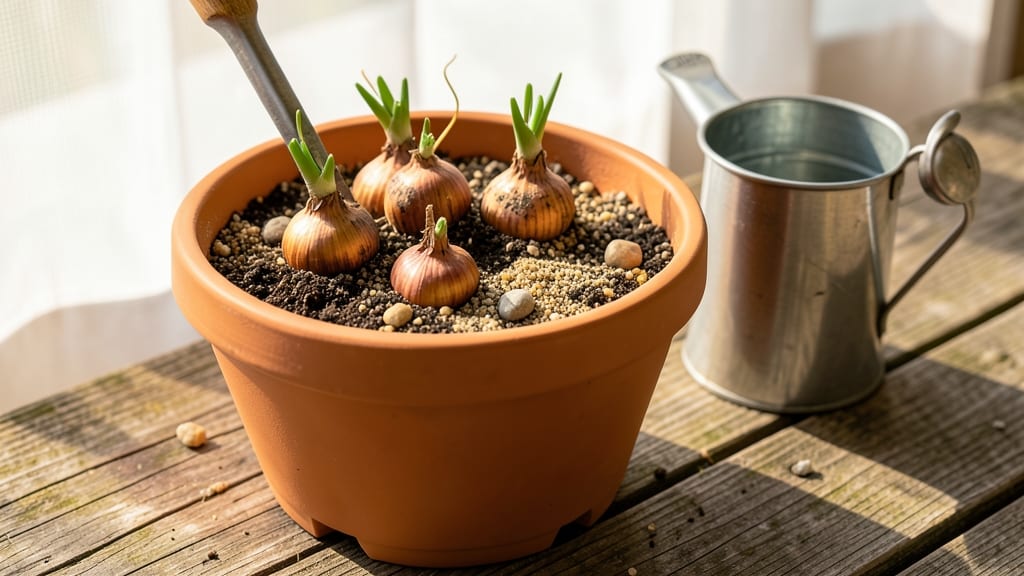
Planting crocus bulbs in pots for early spring blooms means timing them 6-8 weeks before your first hard frost—typically between September and November in most regions.
Want vibrant purple, white, or yellow blooms brightening your garden as early as late winter? Timing is everything when planting crocus bulbs in pots—but most gardeners get it wrong. Here’s how to master the fall planting window for foolproof spring color.
In USDA Zone 6a, that means getting them in the ground by mid-November, when soil temps dip below 60°F. Plant too early, and the bulbs may sprout before winter; too late, and they won’t root in time for spring’s burst of 🌼.
Below, I’ll break down the exact window by zone, container prep tips, and how to adjust for early or late frosts—so you’re not left with empty pots come March.
Ideal fall planting window for crocus bulbs in pots
Timing your crocus bulb planting in pots is the secret to those cheerful spring blooms that appear before most perennials. The magic happens in fall, but not just any fall—there’s a precise window where soil temperatures and daylight cues trigger root growth without inviting winter kill.
I’ve planted crocus in pots for years, and I’ve learned which mistakes send bulbs to an early grave. Let’s break it down so you can time it perfectly.
Most gardeners think "early fall" means September is the only month that counts, but that’s too narrow. The ideal planting window spans 6-8 weeks before your first hard frost, giving bulbs time to establish roots at 50-60°F soil temps.
In USDA Zone 6a (like my garden), that’s roughly mid-September to early November. But if you’re in Zone 3, you’ll need to plant by late August, while Zone 10 gardeners can wait until December. Miss this window, and your bulbs may rot or fail to bloom.
| USDA Zone | Planting Window | Soil Temp Goal | Key Mistake to Avoid |
|---|---|---|---|
| 3-4 | Late August - Mid-September | 50-55°F | Planting too late (frost kills before rooting) |
| 5-6 | Mid-September - Early November | 55-60°F | Using soggy soil (causes bulb rot) |
| 7-8 | td style="padding: 8px; border-bottom: 1px solid #4a7c6f;">October - December60-65°F | Skipping drainage (waterlogged pots) | |
| 9-10 | November - January | 65-70°F | Planting too deep (stunts growth) |
Here’s how to check if you’re in the sweet spot: Dig down 6 inches and feel the soil. If it’s cool but not frozen and your local forecast shows no hard frost in the next 6-8 weeks, you’re good to go.
I always verify by checking my USDA Zone map and counting backward from the average first frost date in my area. For example, in Zone 7, where crocus thrive, the window closes around November 1st.
Plant after that, and your bulbs may not get enough root growth before winter.
One of the biggest mistakes I see is planting too early when soil is still warm. Crocus bulbs need cooler temps to trigger dormancy and root formation. If you plant in July or August in a hot climate, the bulbs may sprout too soon, only to wither when frost hits.
Another common error is ignoring container drainage. Pots without holes trap moisture, leading to bulb rot. Always use containers with drainage holes and a well-draining soil mix—I swear by a blend of potting soil, perlite, and sand.
Pro tip: If you’re unsure about your local frost dates, use a frost calendar app or check with your local cooperative extension service. I’ve also found that crocus planted in pots can handle slightly later planting than in-ground bulbs because containers warm up faster in spring.
But don’t push it—late November is the absolute latest I’d plant, even in mild zones. The goal is to give those bulbs 6-8 weeks of root growth before winter sets in.
For container gardening, another critical factor is pot size. Small pots (under 6 inches deep) may not provide enough root space, while oversized pots can hold too much moisture.
I recommend 8-inch pots for 3-5 crocus bulbs, planted 3 inches deep with 1 inch of soil above them. This setup mimics their natural well-draining, rocky soil conditions and prevents waterlogging.
Label your pots if you’re planting multiple varieties—purple, white, and yellow crocus all bloom at different times, and you’ll want to enjoy them sequentially.
Finally, don’t forget that crocus bulbs are hardy perennials, but they need a cool dormant period to rebloom. If you live in a warm-winter zone (like Zone 10), you can plant them in December or even January, but they may need a short chilling period (like
Step-by-step guide: how to plant crocus bulbs in pots for spring blooms
Planting crocus bulbs in pots is easier than you think, but getting the details right ensures those cheerful spring blooms appear year after year. The key is creating the perfect container environment that mimics their natural soil conditions.
Start with pots that have drainage holes—this prevents root rot, which is the #1 killer of potted crocuses.
Your soil mix should be lightweight and well-draining. I recommend a blend of 60% potting soil, 30% perlite, and 10% compost. This combo prevents waterlogging while providing nutrients. Avoid garden soil—it compacts too easily in containers and suffocates roots.
🌱 Step-by-Step Planting Guide
- 📅 Choose the right time: Plant 4-6 weeks before your first hard frost (typically September-November in most US zones). Check your local frost dates—this window ensures bulbs root before winter.
- 🪴 Select container size: Use pots 6-8 inches deep with drainage holes. For multiple bulbs, space them 2-3 inches apart—they multiply over time!
- 🌿 Prepare the soil: Mix potting soil, perlite, and compost (60:30:10 ratio). Fill pots 2/3 full—leave room for bulbs and topsoil.
- 🌼 Plant at the right depth: Place bulbs pointy end up, 3 inches deep (or 2x bulb height). Cover with soil, leaving 1 inch of space at the top.
- 💧 Water thoroughly: Soak the soil until water drains from the bottom. After planting, water lightly every 7-10 days—never let pots dry out completely.
- ☀️ Place in sunlight: Keep pots in full sun (6+ hours/day) or partial shade if summers are scorching. Overwinter outdoors if possible—crocuses need cold to bloom!
After planting, place your pots in a protected outdoor spot (like a patio or garage) where they’ll get natural light but shelter from heavy rain.
If you live in a warmer climate (zones 8-10), move pots to a cool basement or garage during winter—they need 4-6 weeks of cold to trigger blooming.
Troubleshooting is easy if you catch issues early. No blooms? Check if bulbs got enough cold exposure or if pots were too crowded. Yellowing leaves? Overwatering is likely—let soil dry slightly between waterings. For pests like squirrels, bury pots deeper or use chicken wire over the soil.
With these steps, your crocus pots will reward you with early spring color for years. The secret? Timing + drainage—master those, and you’re golden! 🌼