
Plants
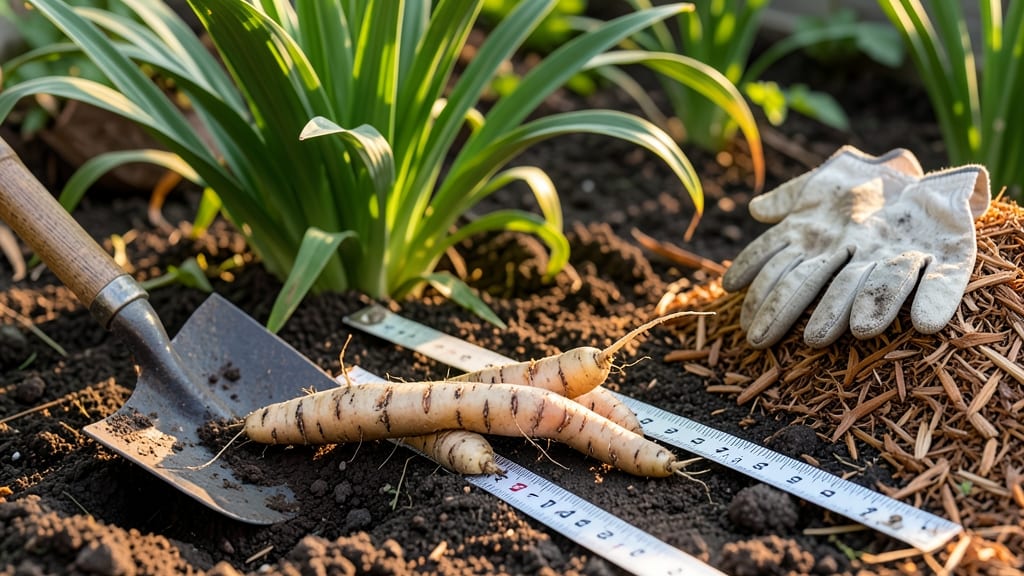
Planting daylily bulbs in Zone 7 at the right time ensures vibrant blooms every season and strong root growth before winter.
Daylilies are one of the hardiest perennials in your garden, but timing matters—plant them too early, and the roots won’t establish before the heat arrives. Too late, and they’ll struggle to settle before frost.
In Zone 7, the perfect window is just a few weeks before your last spring frost or after the first fall frost.
This guide breaks down the exact months to plant, how to prep your soil for Zone 7’s climate, and the simple steps to keep your daylilies thriving year after year. No guesswork, just proven results for maximum blooms and minimal fuss.
Whether you’re a first-time gardener or a seasoned pro, these tips will help you avoid common mistakes and get your 🌸 daylilies off to the best possible start.
Best months to plant daylily bulbs in Zone 7 for year-round success
Daylilies thrive in Zone 7 with minimal fuss, but timing your planting is critical for vibrant blooms. Unlike true bulbs, daylilies grow from rhizomes, which need specific conditions to establish strong roots before extreme heat or cold.
In Zone 7, where last frosts typically hit around April 15 and first frosts arrive by October 15, the window for planting is narrow but impactful.
Most gardeners swear by two ideal planting windows: early spring and early fall. Each offers unique advantages—spring planting lets rhizomes establish before summer’s heat, while fall planting gives them time to root before winter dormancy.
The key is aligning your planting with soil temperatures and frost dates to avoid stress on young plants.
Here’s the critical comparison between spring and fall planting in Zone 7, including soil temperature thresholds and frost alignment:
| Planting Window | Ideal Months in Zone 7 | Soil Temp Threshold | Frost Alignment | Bloom Timing |
|---|---|---|---|---|
| Spring Planting | March–April | 45–55°F (7–13°C) | 4–6 weeks before last frost | First blooms by mid-summer |
| Fall Planting | September–October | 50–60°F (10–16°C) | 6–8 weeks before first frost | Established blooms next year |
*Soil temp thresholds ensure rhizomes root before extreme heat/cold stress.
Spring planting in March or early April gives daylilies a head start. Aim to plant when soil temperatures hover between 45–55°F (7–13°C)—this ensures rhizomes don’t rot in cold soil while avoiding summer’s heat stress.
In Zone 7, this typically aligns with 4–6 weeks before your last frost date, giving plants time to establish roots before temperatures climb.
For fall planting, September and early October are your best bets. Soil should still be warm (50–60°F or 10–16°C) to encourage root growth before dormancy.
Planting too late—like in November—risks rhizomes freezing before they establish. The goal is to give them 6–8 weeks to root before the first frost hits around October 15.
Zone 7’s variable weather makes timing tricky. If you miss the ideal windows, you can still plant in late February or late May, but expect slower establishment and potentially fewer blooms that first year.
For example, planting in May might result in smaller blooms because the rhizomes are still recovering from transplant shock when summer heat arrives.
Pro tip: Use a soil thermometer to check temperatures before planting. Daylilies hate soggy, cold soil—if temperatures dip below 40°F (4°C), wait a week or two. This small investment prevents rot and fungal diseases that can kill young rhizomes before they take hold.
Aligning planting with moon phases is optional but popular among gardeners. Planting during the waxing moon (when the moon is growing) is said to encourage root growth. While not scientifically proven, many swear by it—especially for perennials like daylilies that need strong root systems.
Once planted, mulch heavily (2–3 inches of straw or shredded leaves) to protect rhizomes from temperature swings. In Zone 7, this is especially critical in spring when nights are still chilly and days warm up quickly. Mulch also suppresses weeds, conserving moisture for your new plants.
Remember, daylilies are perennials, meaning they’ll return year after year with proper care. Planting at the right time ensures your first blooms appear within 60–90 days of planting—so timing matters more than you might think for that first burst of color!
How to prepare daylily bulbs for planting in Zone 7’s climate
Preparing daylily rhizomes (often mistakenly called bulbs) for Zone 7’s variable climate ensures they thrive despite our humid summers and mild winters. Start by selecting healthy rhizomes—look for firm, plump roots with no soft spots or mold.
These hardy perennials need proper prep to establish strong roots before Zone 7’s first frost or summer heat arrives.
Zone 7 gardeners have two ideal planting windows: early spring (March-April) or early fall (September-October). Spring planting gives rhizomes time to root before summer’s intensity, while fall planting allows roots to establish before winter dormancy.
Both timing options work beautifully in our climate, but proper soil preparation is key to success.
- Soil Preparation: Test soil pH (6.0-7.0 ideal) and amend with 2-3 inches of compost or aged manure. Daylilies tolerate poor soil but bloom best in well-draining conditions.
- Rhizome Selection: Choose dormant rhizomes (no green growth) from reputable nurseries. Avoid rhizomes with dried-out or shriveled roots—these won’t establish well.
- Planting Depth: Place rhizomes 1-2 inches deep with the crown visible above soil. Deeper planting causes rot, while too-shallow planting leads to sunburn during summer.
- Spacing: Space rhizomes 12-18 inches apart for dwarf varieties and 24 inches apart for standard types. Proper spacing prevents crowding and improves air circulation.
- Post-Planting Care: Water deeply after planting, then maintain 1 inch of water weekly during establishment. Mulch with 2-3 inches of organic mulch to retain moisture and regulate soil temperature.
After planting, monitor your daylilies closely during Zone 7’s summer heat waves. While established plants tolerate drought, newly planted rhizomes need consistent moisture to develop strong roots.
A drip irrigation system or soaker hose works best to deliver water directly to the root zone without wetting foliage—this prevents fungal diseases common in our humid climate.
Fertilizing isn’t necessary at planting time, but you can apply a balanced fertilizer (10-10-10) in early spring after new growth appears. Avoid high-nitrogen fertilizers, which promote leafy growth at the expense of vibrant blooms.
Daylilies are remarkably forgiving, but proper initial care sets the stage for years of low-maintenance beauty in your Zone 7 garden.
Remember that daylilies multiply quickly—divide clumps every 3-4 years in early spring to maintain vigor. This simple step prevents overcrowding and ensures your plants continue producing show-stopping blooms year after year, no matter what Zone 7’s unpredictable weather brings.