
Plants
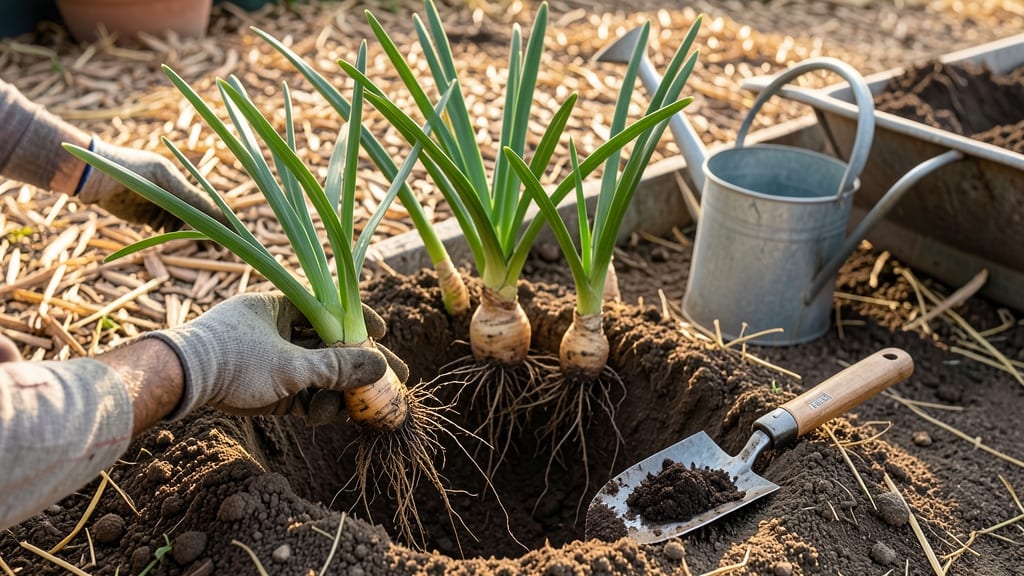
Planting daylily bulbs in Zone 9 during late fall to early winter ensures they establish roots before summer’s heat arrives.
You’ve probably heard daylilies are low-maintenance, but timing is the secret to those showstopping blooms—especially in Zone 9’s mild but unpredictable climate. Miss the window, and you risk weak growth or even bulb rot.
Unlike cooler zones, Zone 9’s 300+ frost-free days mean no traditional "spring planting" rush. Instead, the best months are October through December, when soil stays warm enough for roots to settle without summer stress.
Below, I’ll break down the exact window, soil prep tricks for Zone 9’s varied microclimates, and how to keep your 🌸 thriving through the year—no guesswork involved.
Best months to plant daylily bulbs in Zone 9 for maximum blooms
Daylilies in Zone 9 love the warmth, but their planting window is narrower than you might think. Unlike cooler climates, fall planting is your best bet—just avoid the hottest months when soil temperatures can stress new bulbs.
The key is to plant when the ground cools slightly but before winter rains arrive, which can rot freshly planted bulbs.
For coastal Zone 9 areas, timing shifts slightly due to milder winters. Inland regions with hotter summers may need an earlier start. Understanding these microclimates ensures your daylilies establish roots before summer’s intense heat arrives. Let’s break down the ideal windows and what to watch for.
| Planting Window | Soil Temp Threshold | Zone 9 Microclimate | Key Consideration |
|---|---|---|---|
| Late September - October | 60-70°F | Inland | Bulbs establish roots before summer heat |
| October - November | 55-65°F | Coastal | Milder winters allow later planting |
| January (late) | 50-60°F | All | Emergency planting only; bulbs need spring growth |
| Avoid: June-August | Above 80°F | All | Bulbs risk heat stress and rot |
In inland Zone 9, aim for late September to October when daytime temps hover around 75°F but nights dip below 65°F. This cool-down signals bulbs to root without summer’s scorching heat.
Coastal areas can extend planting into November thanks to their milder winters, but don’t wait too long—bulbs need time to establish before winter rains arrive.
If you miss fall, late winter planting (January) is a backup, but it’s risky. Bulbs planted then may not have enough time to root before summer’s heat arrives. For best results, stick to fall. The 60-70°F soil temperature range is ideal—use a soil thermometer to check before planting.
For coastal gardeners, watch for foggy mornings in late fall—a sign temps are dropping. Inland gardeners should monitor evening lows, which should consistently stay below 60°F for 3-4 nights before planting. This helps bulbs transition into dormancy without stress.
Pro tip: In Zone 9b, where winters are slightly cooler, you can push planting to mid-November. But in Zone 9a, where summers are hotter, start by early October to avoid heat stress. Always adjust for your specific microclimate—even a few miles inland can make a difference.
After planting, mulch heavily (3-4 inches) to protect bulbs from temperature swings. Use straw or wood chips—avoid plastic, which traps heat. Water deeply once a week for the first month to encourage root growth, then taper off as winter approaches.
One common mistake in Zone 9 is planting too deep. Daylily bulbs should sit 2 inches below soil level—any deeper, and they’ll rot; too shallow, and they’ll dry out. Use a spading fork to loosen soil to a depth of 12 inches before planting for optimal drainage.
For container planting, use well-draining mixes and plant in late fall so roots establish before summer. Containers heat up faster than ground soil, so monitor moisture closely. In Zone 9, container-grown daylilies often bloom 2-3 weeks earlier than ground-planted ones.
Remember, the goal is to give your daylilies a 6-8 week head start before summer’s peak heat. With the right timing, you’ll enjoy vibrant blooms from early spring through fall—and that’s a Zone 9 gardener’s dream. 🌸🌿
Zone 9 daylily survival tips: how to avoid common planting mistakes
Zone 9 gardeners enjoy a near-year-round growing season, but daylilies still need specific care to thrive. The biggest mistake? Planting at the wrong time or ignoring soil temperature and watering needs.
Even in mild winters, daylilies benefit from proper dormancy, and summer heat can stress new bulbs if not managed correctly.
For optimal survival, focus on three key areas: planting depth, mulching strategies, and watering schedules. Skipping these steps often leads to stunted growth or bulb rot. Let’s dive into the critical dos and don’ts that separate thriving daylilies from struggling ones in your Zone 9 garden.
⚠️ Zone 9 Planting Warning
Never plant daylily bulbs in Zone 9 during peak summer months (June-August). Soil temperatures above 85°F cause bulbs to rot before they establish roots. Instead, aim for October-November when soil cools to 60-70°F, giving roots time to anchor before winter.
Coastal Zone 9 gardeners: Plant 1-2 weeks earlier due to cooler ocean breezes. Inland areas can wait until mid-November for safer bulb establishment.
When planting, ensure bulbs are placed at a depth of 2-3 inches, with the top of the bulb just below soil level. Deeper planting risks rot, while shallow planting exposes bulbs to heat stress or winter chill.
Use a trowel to create a small trench, spread compost-rich soil at the bottom, and position bulbs with roots facing downward.
Mulching is non-negotiable in Zone 9. Apply a 3-inch layer of organic mulch (like straw or shredded leaves) after planting to retain moisture and regulate soil temperature. In summer, mulch protects bulbs from heat stress, while in winter, it shields them from unexpected chill—even in mild climates.
Replenish mulch annually to maintain effectiveness.
Watering schedules are often overlooked, but daylilies in Zone 9 need consistent moisture without soggy soil. Water deeply once a week during establishment, then reduce to bi-weekly once roots are established.
Always water in the early morning to prevent fungal diseases. Avoid overhead watering, which can scorch leaves in the intense Zone 9 sun.
Finally, protect your daylilies from pests and diseases common in Zone 9. Slugs and snails thrive in the humidity, while fungal issues like leaf spot can appear if foliage stays wet. Space plants 18-24 inches apart for airflow, and remove spent blooms to encourage continuous flowering and reduce disease risk.
With these Zone 9-specific tips, your daylilies will reward you with vibrant blooms year after year—no matter the microclimate. Happy gardening! 🌸