
Flowers
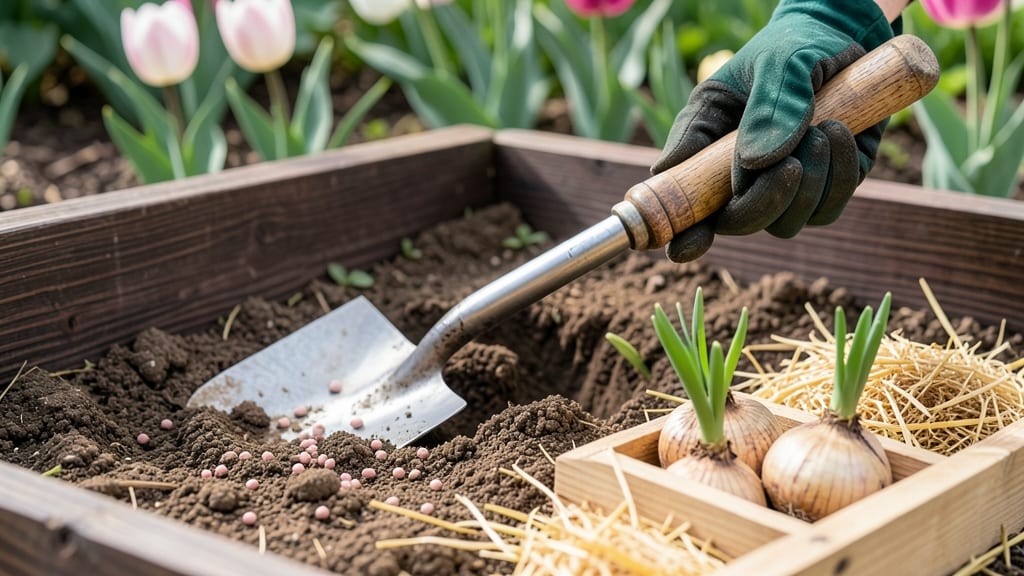
Planting flower bulbs in the spring is all about timing—get it right, and you’ll enjoy vibrant blooms 🌷 that brighten up your garden for weeks.
Timing is everything when it comes to planting flower bulbs in spring—plant too early, and they’ll rot; too late, and you’ll miss the bloom window entirely. But with the right chill-hardiness chart and planting schedule, you can ensure vibrant blooms year after year.
Most gardeners in USDA Zone 6a (or similar climates) should aim for early spring, once the soil warms to 50°F and the threat of frost has passed. That’s usually around March to April, but regional differences matter—cooler areas may need to wait until late April.
Inside, you’ll find a chill-hardiness chart to match bulbs like tulips and daffodils to your local frost dates, plus tips for adjusting your schedule if winter lingers or spring arrives early. Ready to plan your spring blooms?
Spring planting timeline for flower bulbs by chill-hardiness zones
Planting flower bulbs in spring is all about matching your local chill-hardiness zone with the right planting window. Unlike fall planting, spring bulbs need to avoid soil temperatures above 60°F, which can cause them to sprout too early and rot.
Most gardeners in USDA Zones 3-10 can plant spring bulbs between late February and mid-April, but exact timing varies dramatically by region.
For example, gardeners in Zone 3 (think Minnesota or northern New England) can start planting as early as late February when soil temperatures are still cool. Meanwhile, those in Zone 10 (like Southern California) should wait until March or even early April to avoid heat stress.
The key is to plant when your soil is 50-60°F and at least 6 weeks before your last frost date.
Here’s the critical rule: Early-blooming bulbs (like crocuses and snowdrops) go in first, followed by mid-season bloomers (tulips, daffodils), and finally late bloomers (alliums, hyacinths). This staggered approach ensures a continuous spring display and prevents overcrowding.
🌱
If you’re in a transition zone (like Zone 6b or 7a), err on the side of earlier planting. For instance, in Zone 6, I’ve had success planting daffodils in late March even if the soil is still chilly, because they’re more frost-tolerant than tulips.
Always check your local frost dates—the National Weather Service or Old Farmer’s Almanac are great resources.
Another pro tip: Pre-chill bulbs if you’re in a warm climate. Store them in the fridge for 6-8 weeks before planting to mimic winter conditions. This trick works wonders for tulips in Zone 9, where they might otherwise bloom poorly.
For container gardening, adjust your timeline by 2-3 weeks later than in-ground planting. Pots heat up faster, so wait until soil temperatures are consistently 55°F or below. Use black plastic mulch in cold zones to warm the soil faster and extend your planting window.
Remember, bulb size matters too! Larger bulbs (like 12/0 or bigger daffodils) establish faster and can handle slightly warmer soil. Smaller bulbs (size 5 or less) need cooler conditions to thrive, so plant them 1-2 weeks earlier than your standard timeline.
Finally, don’t forget to fertilize lightly after planting. A balanced 5-10-10 fertilizer applied at half-strength encourages root growth without burning tender shoots. Water deeply after planting to settle the soil and remove air pockets around the bulbs.
🌷
How to adjust planting dates for early vs. late spring weather
Spring weather can be unpredictable, and adjusting your flower bulb planting dates based on frost risks and soil conditions is key to success. In early spring, cold snaps can still threaten tender shoots, while late spring delays might push blooms into summer heat.
I’ve learned that flexibility in timing—paired with a few simple checks—can save your bulbs from failure.
Start by monitoring your local frost dates and soil temperatures. Most bulbs need the ground to reach at least 50°F (10°C) before planting, but some cold-hardy varieties like daffodils can handle cooler soils. Use a soil thermometer to avoid guessing—trust me, your bulbs will thank you for the precision.
⚠️ callout-warning ⚠️
Warning: Premature Planting Risks
Cold soil causes rot—bulbs planted too early in chilly conditions may never sprout. Watch for these warning signs:
- Mushy bulbs after planting = overwatered or frozen.
- Yellowing leaves before blooms = nutrient leaching from cold stress.
- No sprouts after 3 weeks = soil too cold or bulbs damaged.
Salvage tip: If bulbs show signs of rot, remove them immediately and compost the healthy parts. For dormant bulbs, store them in a cool, dry place (like a mesh bag in the fridge) and replant next spring.
For early spring planting, opt for cold-tolerant bulbs like crocuses or snowdrops, which can handle light frosts. If you’re eager to plant tulips or hyacinths earlier than usual, use row covers or a mini greenhouse to protect young shoots.
I’ve had great success with a simple floating row cover—it adds just enough warmth without overheating the soil.
In late spring, focus on heat-tolerant varieties like daylilies or alliums, which thrive in warmer conditions. If your usual planting window has passed, try container gardening—pots warm up faster and give you control over soil temperature.
Just ensure containers have drainage holes to prevent waterlogging, a common issue in delayed plantings.
Don’t forget about microclimates in your garden. A south-facing slope warms up quicker than a north-facing shady spot, so adjust planting dates accordingly. I once planted tulip bulbs a week earlier on a sunny hillside and saw blooms a full week ahead of my neighbors’ shadier garden.
Pay attention to where your bulbs will live—it makes a surprising difference!
Finally, keep a planting journal to track what works in your climate. Note the exact dates you plant, the soil temperature, and any weather anomalies.
Over time, you’ll refine your timing to match your garden’s unique conditions. Trust your observations—they’re your best tool for successful spring blooms every year. 🌷