
Plants
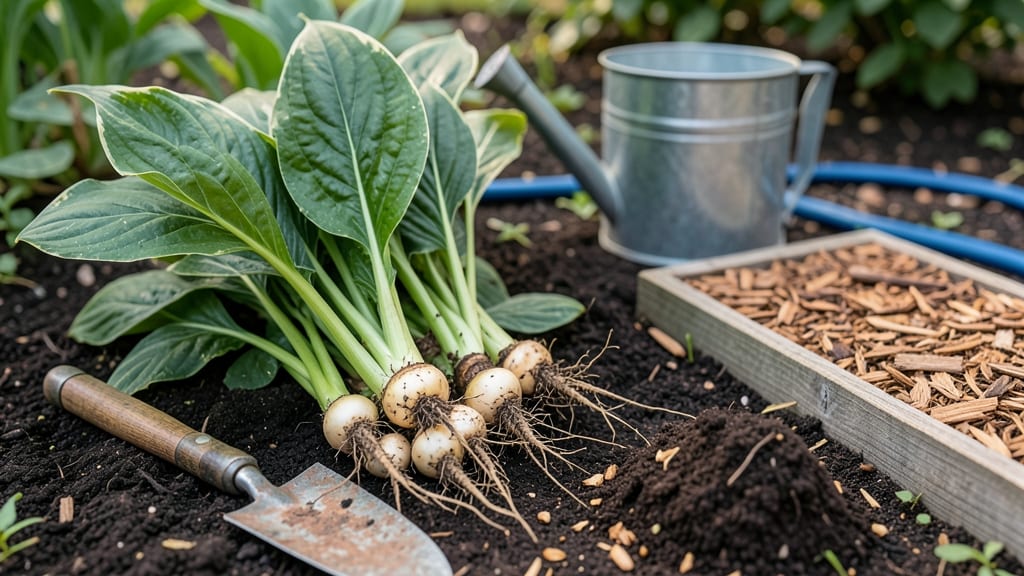
Planting hosta bulbs in Zone 9 during late summer to early fall 🌿 is the secret to lush, thriving foliage that survives the heat.
Struggling to time your hosta planting in Zone 9’s hot summers and mild winters? Planting at the wrong time can mean stunted growth—or worse, lost bulbs before they even sprout.
Unlike cooler climates, Zone 9’s soil stays warm well into fall, giving you a longer window than you might expect. The key is planting when soil temps drop to 55–65°F—usually late August through October—so roots establish before winter rains arrive.
Below, I’ll break down the exact month-by-month timing, soil prep tricks for clay-heavy areas, and how to adjust for microclimates like urban heat islands or coastal humidity.
Zone 9 hosta planting windows: best months by soil temperature
Timing your hosta bulb planting in Zone 9 hinges on soil temperature, not just calendar months. Unlike cooler climates, Zone 9’s mild winters and hot summers create narrow windows where bulbs thrive.
Plant too early, and they’ll bake in the soil; too late, and they won’t establish roots before dormancy. The sweet spot? When soil temps hover between 50°F–65°F—ideal for root development without stress.
Most gardeners in Zone 9 focus on fall planting (August–October), but spring can work if you’re strategic. The key is monitoring soil temps at a 4-inch depth—the depth where hosta roots will grow. Use a soil thermometer or check the USDA Plant Hardiness Zone Map for your exact microclimate.
For example, coastal areas like San Diego may stay warm longer, while inland spots like Phoenix cool faster. Let’s break down the best windows by season and soil conditions.
| Planting Window | Soil Temperature Range (°F) | Zone 9 Months (Typical) | Key Considerations | Best For |
|---|---|---|---|---|
| Early Fall (Primary) | 55–65°F | Late August–Mid-September | Bulbs establish roots before summer heat; minimal transplant shock | Established gardens, container planting |
| Late Fall (Secondary) | 50–55°F | October–November (before first frost) | Higher survival rate if planted deep; mulch heavily | Bare-root divisions, high-heat areas |
| Spring (Risky) | 50–60°F | February–March (post-dormancy) | Requires consistent moisture; slower establishment | Urgent replacements, late-winter gaps |
For early fall planting (late August–mid-September), aim for soil temps between 55°F–65°F. This window lets hosta bulbs establish roots before summer’s residual heat fades.
I’ve found that bare-root divisions planted in this window often outperform spring-planted ones because they avoid the Zone 9 heat stress that can scorch new roots.
If you’re in a coastal Zone 9 like Miami or San Diego, soil may stay warm longer—wait until September to avoid fungal risks from lingering humidity.
If you miss early fall, late fall (October–November) is your secondary window, provided soil temps drop to 50°F–55°F. This is especially critical for high-heat microclimates like Phoenix or Las Vegas, where summer soil can exceed 90°F.
Planting in late fall gives bulbs a head start on root growth before winter dormancy. Just mulch heavily (3–4 inches of straw or wood chips) to protect them from freeze events, even in Zone 9’s mild winters.
Spring planting in Zone 9 is high-risk but possible if you’re replacing a lost hosta or filling a gap. Target February–March when soil temps hit 50°F–60°F, but be prepared for slower growth. The biggest challenge? Consistent moisture—spring in Zone 9 can bring unpredictable rain followed by dry spells.
I recommend drip irrigation or soaker hoses to keep soil evenly moist until roots establish, typically 6–8 weeks after planting.
To verify your local soil temps, use a soil thermometer (available for $10–$15 at garden centers) or check the USDA’s Plant Hardiness Zone Interactive Map. For example, Los Angeles may see 60°F soil temps in early September, while Tucson might hit that mark in October.
Pro tip: Dig a 4-inch-deep hole in your garden bed, insert the thermometer, and wait 30 minutes for an accurate reading. This small step can save you from planting too early or too late.
One mistake I see often is relying on air temperature instead of soil temperature. A 75°F day can still have 60°F soil if shaded, while a 65°F day in full sun might have 80°F soil.
Always check the soil—it’s the real indicator of bulb stress. For container planting, soil cools faster, so you can plant 1–2
How to adjust planting time for Zone 9 microclimates
Zone 9’s diverse microclimates—from scorching urban heat islands to coastal breezes and desert edges—can shift your hosta planting schedule by weeks. What works in Miami’s humidity fails in Phoenix’s dry heat, yet both are technically Zone 9.
The key is adjusting for local conditions like soil temperature, elevation, and urban heat effects to give your hosta bulbs the best start.
Start by checking your specific microclimate. Urban areas like Los Angeles or Phoenix can feel 10°F hotter than rural spots just miles away. Coastal zones like San Diego stay cooler longer, while desert-adjacent regions dry out faster.
Even within a city, elevation changes of 1,000 feet can delay planting by 2–3 weeks. Use a soil thermometer to confirm when temps drop to the ideal 55–65°F range for hosta root establishment.
Urban Heat Islands (e.g., LA, Phoenix)
Plant hostas 4–6 weeks earlier (late July–early August) to avoid soil temps exceeding 70°F. Use shade cloth or raised beds with moisture-retentive mixes.
Coastal Zones (e.g., San Diego, Miami)
Extend fall planting to November due to slower soil cooling. Monitor for humidity-related fungal risks (e.g., crown rot) and space bulbs wider.
Desert Transitions (e.g., Tucson, Las Vegas)
Prioritize deep planting (4–6 inches) and drip irrigation to maintain moisture. Plant in shade of existing structures to reduce evaporative stress.
Elevation Adjustments (1,000–3,000 ft)
Add 1–2 weeks to planting windows for every 1,000 ft gained (e.g., Santa Fe vs. Albuquerque). Test soil temps with a thermometer at 4-inch depth.
For urban heat islands, I’ve found that planting in late July gives hosta roots time to establish before the next heatwave.
Use a light shade cloth (30–50% coverage) over new plantings to reduce soil temps by 5–10°F. In coastal areas, the slower cooling means you can plant later—sometimes as late as November—but watch for fungal diseases like crown rot in damp conditions.
Space bulbs 12–18 inches apart to improve airflow.
In desert-adjacent zones, moisture retention is critical. I recommend planting hostas 4–6 inches deep and pairing them with drip irrigation on a timer (e.g., 15 minutes every 2 days).
For elevation shifts, like moving from sea level to 3,000 feet, adjust your schedule by 2–4 weeks later. For example, if coastal San Diego plants in September, a nearby mountain town might wait until October.
Always check soil temps at 4-inch depth—this is where hosta roots will grow.
Pro tip: Use a local weather station app to track soil temperature trends in your area. Apps like Weather Underground or PlantNet provide real-time data for specific microclimates. If you’re unsure, err on the side of earlier planting—hostas are more forgiving when planted too soon than too late.
With these adjustments, your hostas will thrive year after year, regardless of whether you’re in humid Miami or arid Phoenix.