
Plants
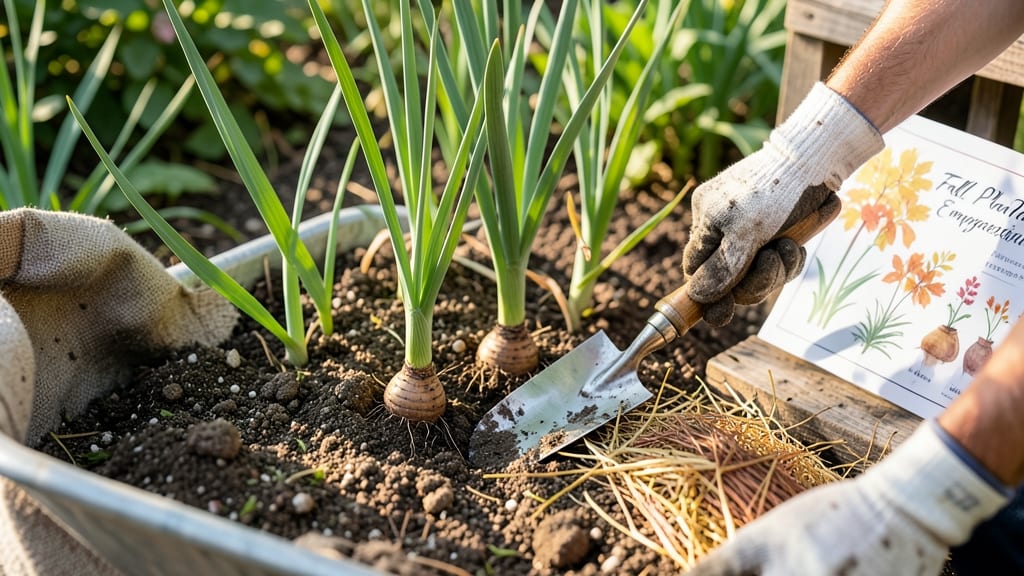
Plant iris bulbs in North Carolina between September and November to give them time to root before winter, or in February or March for a spring surprise.
Timing your iris bulb planting in North Carolina isn’t just about avoiding frost—it’s about matching your local chill hours to the right variety for vibrant blooms next spring.
In zones 6a-8b, fall planting gives rhizomes a head start, while early spring planting works if you’re in a warmer microclimate. The key is getting them in the ground 6-8 weeks before the first frost, so they establish roots before cold sets in.
Below, I’ll break down the best months by chill-hour zone, how to prep your soil, and the one trick that keeps your irises thriving year after year.
North Carolina’s best planting months for iris bulbs based on chill-hour zones
Planting iris bulbs—or more accurately, their rhizomes—in North Carolina requires precision. The state’s 500–1,000 chill hours across zones 6a–8b dictate the perfect window for fall planting. Miss the mark, and you risk winter damage or poor blooms next spring.
Let’s break down the ideal months for your specific chill-hour zone, including deadlines for early, mid-, and late-season varieties.
North Carolina spans USDA zones 6a–8b, with chill-hour ranges from 500 hours in coastal areas to 1,000+ hours in the mountains. This variation means your ideal planting window shifts depending on where you garden.
For example, gardeners in zone 6a (Asheville) need to plant earlier than those in zone 8b (Wilmington). The goal is to give rhizomes time to establish roots before winter dormancy sets in.
Here’s the key rule: Plant iris rhizomes 6–8 weeks before your first frost date. This ensures they root deeply before cold weather arrives. In most of NC, that means September through November.
But within that window, your exact timing depends on your local chill-hour zone and the variety you’re planting. Early bloomers like Siberian irises need extra time, while bearded irises are more flexible.
Let’s dive into the chill-hour breakdown for NC’s three main regions: mountains (6a–7a), piedmont (7b–8a), and coast (8a–8b). Each has a unique deadline for planting iris rhizomes to maximize next year’s blooms.
Use this table to pinpoint your exact window based on your location and the iris variety you’ve chosen.
If you’re in coastal NC (zones 8a–8b), aim to plant iris rhizomes between late September and November. The mild winters here mean you have a longer window, but don’t wait too late—early varieties like Louisiana irises need to root by October 15 to avoid winter stress.
For piedmont NC (zones 7a–7b), your sweet spot is mid-September to October, with a hard deadline of October 31 for late bloomers.
Gardeners in mountain NC (zones 6a–6b)** should plant as early as September to take full advantage of the longer chill hours. Early varieties like Siberian irises need to be in the ground by September 15, while bearded irises can handle a slightly later start.
Remember, these deadlines are based on average first frost dates, but a sudden early frost can shift your timeline—always check your local frost-free date for precision.
Pro tip: Soil temperature matters just as much as air temperature. Iris rhizomes prefer soil that’s 50–60°F when planted. In NC, this typically aligns with late September to early October, but cooler mountain regions may need an earlier start.
Use a soil thermometer to confirm—planting too early in warm soil can encourage root growth before the rhizome is ready for dormancy.
What if you miss the fall window? No worries! You can still plant iris rhizomes in early spring (February–March), though blooms may be delayed. Spring-planted rhizomes need 6–8 weeks of warm soil before summer heat arrives.
This method works best for bearded irises, which are more adaptable to timing shifts. For Siberian or Louisiana varieties, stick to fall planting for the best results.
Once you’ve planted, focus on well-draining soil and full sun exposure. Mulch lightly around the rhizomes to protect them from winter temperature swings, but avoid piling mulch directly on top—this can cause rot. With the right timing and care, your iris rhizomes will reward you with vibrant blooms next spring
North Carolina’s fall planting window for iris rhizomes hinges on your USDA zone and historical frost dates. Unlike true bulbs, iris rhizomes need time to establish roots before winter dormancy. In Zone 7a, your deadline is typically October 15–20, while Zone 8b gardeners can plant until November 1. The key is ensuring roots have 4–6 weeks to harden before the ground freezes. Start by checking your local frost-free date using the National Weather Service or Almanac’s Frost Calculator. For example, Asheville (Zone 7a) averages its first frost on November 10, while Wilmington (Zone 8a) sees frost around December 15. Subtract 6 weeks from your frost date to find your last safe planting window. This ensures rhizomes aren’t stressed by cold snaps. Soil temperature is just as critical as air temperature. Iris rhizomes thrive when soil stays above 40°F (4°C) for root growth. Use a soil thermometer to monitor temperatures—plant when daytime highs are consistently 60°F (15°C) or warmer. In NC’s Piedmont region, this usually aligns with late September to early October. Planting iris rhizomes after your zone’s frost-free deadline increases the risk of root rot or freeze damage. If you miss the window, wait until early spring (February–March) when soil thaws, but expect delayed blooms that year. Zone 7a gardeners should never plant after October 31—rhizomes need 60+ days to establish before winter. For precise timing, factor in your iris variety’s chill requirements. Louisiana irises need 500–700 chill hours, while Siberian types tolerate 1,000+ hours. Use a chill-hour tracker (like the one from NC State Extension) to confirm your area’s accumulation rate. For instance, Raleigh (Zone 7b) hits 700 chill hours by December 1, making late October ideal for Louisiana irises. Pro tip: Mulch heavily after planting to insulate rhizomes. Apply 3–4 inches of straw or pine needles once soil temperatures drop below 50°F (10°C). This protects roots during winter temperature swings, which are common in NC’s Zone 7a–8b transition areas. Remove mulch in early spring to prevent rot as soil warms. Test your soil’s readiness by digging a 6-inch hole and checking moisture levels. Soil should be damp but not soggy—iris rhizomes rot in waterlogged conditions. If your area experiences unpredictable early frosts (like the 2020 Halloween freeze), opt for early September planting and use row covers for extra protection. Timing isn’t just about dates; it’s about microclimate awareness.How to calculate your local frost-free deadline for fall planting success
⚠️ Warning: Late Planting Risks