
Plants
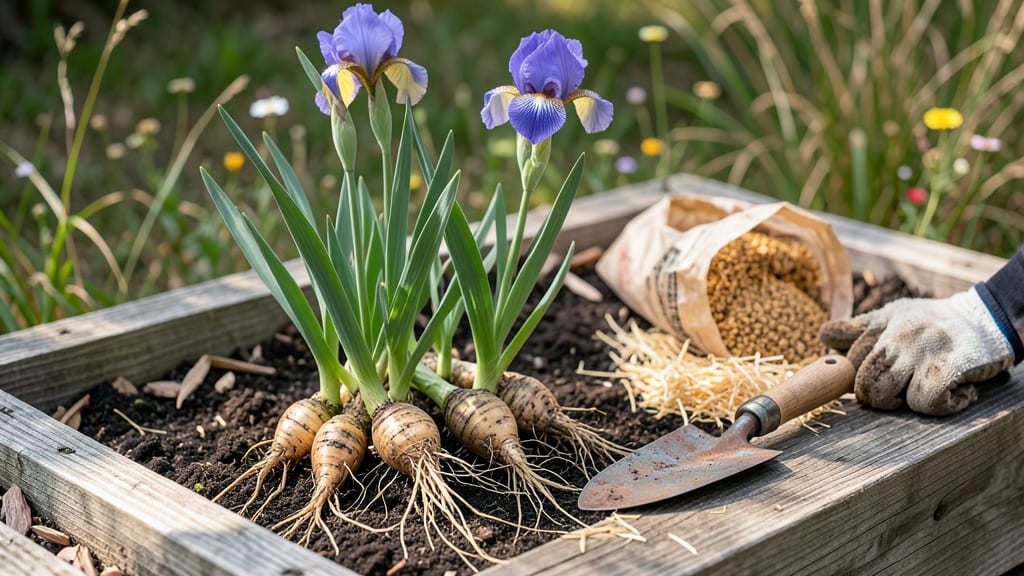
Planting iris bulbs in Texas requires timing them with the 300-600 chill hours your Zone 8B winters deliver — and getting it wrong means skipping next spring’s 🌸 blooms entirely.
Texas gardeners know timing is everything — especially when planting iris bulbs, where a single misstep can mean the difference between vibrant blooms and a wasted season. Mastering the chill-hour window in Zone 8B is your secret weapon for thriving irises.
Fall planting (September-November) is ideal because cooler soil and shorter days help bulbs establish before summer’s heat arrives. But if you miss that window, early spring (February-March) still works, provided you adjust for your region’s frost dates.
Below, I’ll walk you through the exact months to plant, how to prep your soil for Texas’ unique climate, and the one trick that keeps your irises blooming year after year — even in our unpredictable weather.
Texas Zone 8B chill-hour requirements for iris bulbs
Iris bulbs—actually rhizomes—thrive in Zone 8B when they receive the right amount of chill hours. Texas winters rarely deliver the 300-600 chill hours these perennials need to break dormancy and bloom reliably.
Without sufficient cold exposure, your irises may produce weak stalks or fail to flower entirely. Understanding this gap is key to adjusting planting strategies for your Texas garden.
Most iris varieties require 300-600 chill hours below 45°F to trigger flowering. In North Texas (Zone 8B), you might hit 400-500 hours, while South Texas (Zone 9A/10A) often falls short of 300 hours.
This means gardeners in East Texas or South Texas may need to choose low-chill varieties or use artificial chilling methods to compensate.
| Region | Avg. Chill Hours | Recommended Varieties | Planting Adjustment |
|---|---|---|---|
| North Texas (Zone 8B) | 400-500 hours | Bearded Iris, Siberian Iris | Plant in October-November for natural chill |
| Central Texas (Zone 8A) | 300-400 hours | Louisiana Iris, Japanese Iris | Use mulch or plant in shadier spots |
| South Texas (Zone 9A/10A) | <200 hours | Dwarf Iris, Pacific Coast Iris | Pre-chill rhizomes or plant in winter |
If you live in North Texas, your chill hours are likely sufficient for standard iris varieties like Bearded Iris. These can be planted in late October to benefit from natural winter chill.
However, Central Texas gardeners may need to supplement with mulch (like straw or pine needles) to extend dormancy and trick rhizomes into thinking winter lasts longer.
For South Texas, where winters are mild, consider low-chill varieties such as Louisiana Iris or Pacific Coast Iris. Alternatively, you can pre-chill rhizomes for 6-8 weeks in your fridge before planting in December-January. This mimics the natural dormancy period and primes them for spring blooms.
The soil temperature also plays a critical role. Iris rhizomes should be planted when soil temps are between 50°F-60°F. In North Texas, this typically aligns with October-November, while South Texas may require waiting until December.
Use a soil thermometer to confirm—planting too early in warm soil can cause rot.
Another trick is to plant iris rhizomes in partial shade (especially in South Texaschill hours. A spot under a dwarf oak or near a north-facing wall can make a big difference. Just ensure they still get 6+ hours of sunlight daily for blooming.
When selecting iris varieties, prioritize those bred for low-chill conditions. For example, Siberian Iris tolerates fewer chill hours than German Iris, making it a better fit for Zone 8B edges. Always check the USDA hardiness zone and chill-hour requirements on seed packets or from reputable nurseries.
Finally, avoid the temptation to plant iris rhizomes in spring. While it’s possible, you’ll likely miss the dormancy period entirely, resulting in poor blooms or no flowers at all. Spring-planted irises may also struggle with heat stress in Texas summers, leading to wilting or leaf scorch.
By aligning your planting schedule with chill-hour needs and regional adjustments, you’ll give your irises the best shot at thriving in Zone 8B. With the right variety and timing, you’ll enjoy vibrant blooms from March to May—right when Texas gardens need a splash of color! 🌸
Best planting windows in Texas: month-by-month guide
Timing your iris bulb planting in Texas isn't just about the calendar—it's about understanding your local chill-hour accumulation and soil temperature thresholds. In Zone 8B, where winters are mild but summers are brutal, planting too early or late can leave your irises struggling with heat stress or insufficient dormancy.
The sweet spot? October through November, when soil temps drop below 70°F but before hard frosts arrive.
For North Texas gardeners (like those in Dallas or Fort Worth), aim to plant by mid-November to ensure roots establish before winter. In South Texas (Houston, San Antonio), you've got until late November thanks to warmer winters.
The key is getting those rhizomes in the ground when daytime temps average 65°F—this triggers dormancy while preventing summer heat from shocking new growth.
Here's my month-by-month breakdown with Texas-specific adjustments to maximize your iris success:
- 1 August-September: Prep rhizomes by soaking in lukewarm water for 24 hours to stimulate root growth. Choose a sunny spot with well-draining soil—irises hate soggy feet!
- 2 October (Best Window): Plant when soil temps hit 65-70°F. North Texas: mid-October; South Texas: late October. Bury rhizomes halfway with tops exposed to sunlight.
- 3 November: Final planting window before winter. Water lightly after planting, then reduce watering to let roots harden. Mulch with 1-2 inches of straw to protect from erratic Texas freezes.
- 4 December-February: Dormancy phase. Zero watering unless temps drop below 25°F. Irises in containers need extra protection—move pots to sheltered areas.
- 5 March (Early Spring): Resume watering as buds form. Feed with 5-10-10 fertilizer when shoots reach 4 inches. Watch for Texas heat waves—provide afternoon shade if temps exceed 95°F.
I've learned the hard way that early October planting can backfire in South Texas—those rhizomes might sprout too soon and get fried by September heat waves. Conversely, waiting until December risks insufficient root establishment before spring growth.
The 6-week window from mid-October to Thanksgiving gives you the best balance of cool soils and winter dormancy.
For container-grown irises, adjust your timeline by 2-3 weeks earlier. Pots heat up faster and dry out quicker, so you'll want those rhizomes established before November's cooler snaps.
I always plant mine in black plastic pots—they absorb heat during the day and radiate it at night, mimicking Texas's erratic temperature swings.
Remember: Texas irises need sunlight, but they also need breathing room. Space rhizomes 12-18 inches apart in full sun (6+ hours daily) and watch those vibrant blooms reward your perfect timing.
The first year might be modest, but by year two, you'll have driftwood-like clumps of irises that outshine any Texas wildflower!