
Plants
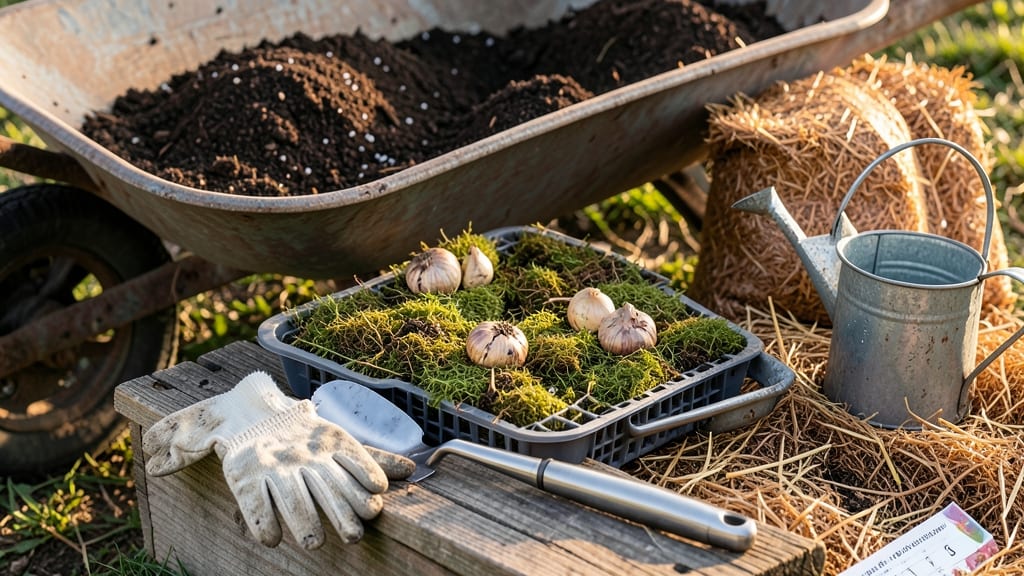
Planting summer bulbs 🌼 in Zone 6 after the last frost ensures vibrant blooms all season long.
Here’s the catch: get it wrong, and you’re staring at stunted growth or no flowers at all. Most gardeners in Zone 6a wait too long, missing the ideal 2-3 week window after soil warms to 60°F—just as the dahlia tubers and canna rhizomes start to wake up.
This guide cuts through the guesswork with a simple frost-free date formula, bulb-by-bulb timing, and pro tips to extend your blooms until frost. No more wasted tubers or half-hearted blooms—just perfect timing for your Zone 6 garden.
You’ll learn exactly when to plant each type of summer bulb, how to prep your soil for maximum growth, and the one trick that keeps your garden looking fresh until fall. Let’s get those summer bulbs thriving!
Zone 6 frost-free date formula for summer bulb planting
Timing is everything when planting summer bulbs in Zone 6. Unlike cool-season crops, these beauties like dahlias, cannas, and gladioli need warm soil and air to thrive. Plant too early, and frost will kill tender shoots.
Too late, and you’ll miss peak blooms. The key? A precise frost-free date formula that accounts for your local climate and bulb types.
Most Zone 6 gardeners rely on the average last frost date of April 15, but that’s just the starting point. Summer bulbs need soil temperatures above 60°F and consistent warmth to establish roots.
My formula combines frost dates, soil thermometers, and bulb-specific timing to pinpoint the perfect window—usually 2-3 weeks after your last frost.
Here’s the breakdown: First, note your historical last frost date (check local records or use the USDA’s Plant Hardiness Zone Map). Then add 14-21 days to account for soil warming.
For example, if your last frost is April 15, aim for planting between May 5-15. But don’t stop there—verify soil temps with a soil thermometer (60°F is the magic number).
Why the delay? Summer bulbs are tender perennials that won’t tolerate cold soil. Planting too soon risks rot or stunted growth. Meanwhile, waiting too long cuts back on bloom time.
My Zone 6 formula ensures you hit the sweet spot: warm soil, no frost risk, and plenty of time for roots to establish before summer heat arrives.
Pro tip: Use a soil thermometer to confirm readiness. Stick it 2–3 inches deep for 3 days—if temps hover around 60°F during the day, it’s time to plant. For dahlias and cannas, which need extra warmth, wait until soil hits 65°F.
Adjust for your microclimate. Gardens in Zone 6a (colder) may need to wait until early May, while Zone 6b (warmer) can start by mid-April. Watch your local weather forecast for late frosts—some years, May brings unexpected chills. If frost is predicted, cover new plants with frost cloth or row covers.
Once planted, focus on consistent moisture and mulching. Summer bulbs hate dry spells, so water deeply 1–2 times per week until established. A 2-inch layer of straw or wood chips keeps roots cool and retains moisture. Avoid overwatering—root rot is a common killer of summer bulbs.
For a longer bloom season, stagger planting. Divide your bulbs into three groups and plant them 10–14 days apart. This ensures continuous flowers from early summer through fall. For example, plant half your dahlias on May 10, another third on May 20, and the rest by June 1.
Remember: The goal is healthy roots before heat. If you plant too late, bulbs may struggle to establish before summer’s intensity. But with this formula, you’ll have bold blooms from July through October—guaranteed! 🌼
Best summer bulbs for Zone 6 and their planting windows
Zone 6 gardeners know summer bulbs like dahlias and canna lilies can transform a garden—but timing is everything. Plant too early, and frost will damage tender tubers. Plant too late, and you’ll miss peak blooms. The key? Understanding each bulb’s ideal planting window and soil temperature needs.
Most summer bulbs thrive when soil reaches 60°F (15°C), typically 2-3 weeks after your last frost date. In Zone 6, this usually lands between mid-April and early May, but regional variations matter. For example, elephant ears (Alocasia) are more forgiving, while gladioli demand precise timing to avoid rot.
Comparison table below breaks down the top summer bulbs for Zone 6, including their planting windows, depth requirements, and care tips to ensure vibrant blooms all season.
For dahlias, which are frost-sensitive, I always plant mine after Memorial Day to avoid late spring frosts.
Use a soil thermometer to confirm 60°F+ soil—this is non-negotiable for tuber health. Canna lilies, on the other hand, are more adaptable and can handle slightly cooler soil, making them a great choice for gardeners in cooler microclimates.
Post-planting, focus on consistent moisture and mulching. A 2-inch layer of organic mulch (like straw) keeps roots cool and retains moisture. For gladioli, I swear by a monthly dose of balanced fertilizer (5-10-10) to encourage those dramatic spikes of color.
Just remember: over-fertilizing can lead to lush foliage but fewer blooms.
If you’re in a Zone 6b area with later frosts, extend your planting window by 1-2 weeks. Monitor your local Almanac’s frost predictions and adjust accordingly.
With the right timing and care, these summer bulbs will reward you with months of bold, vibrant blooms—perfect for cutting gardens or container displays.