
Plants
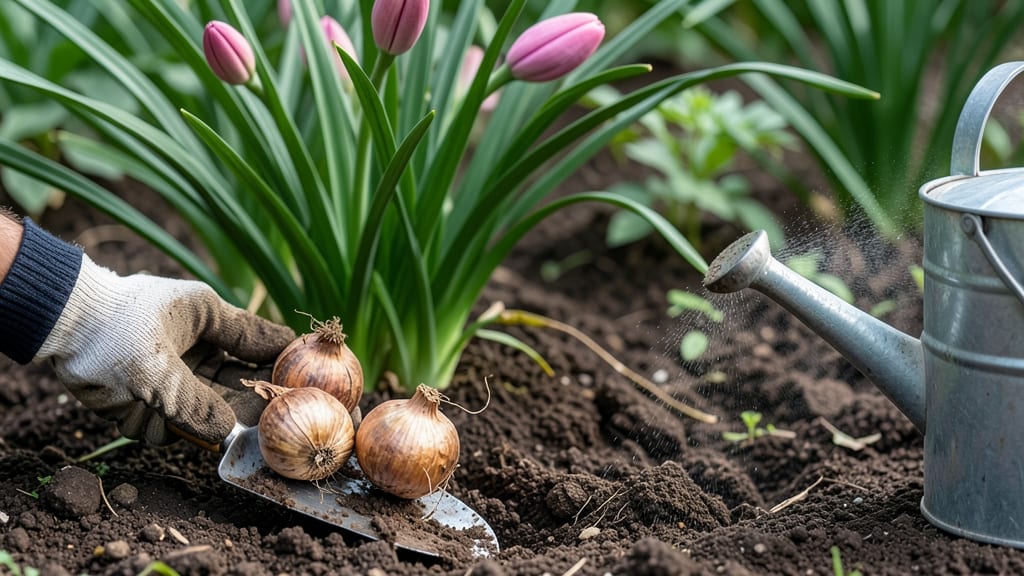
To plant Surprise Lily bulbs for showstopping spring blooms, aim for 6–8 weeks before your first frost—typically late summer or early fall in most regions.
Picture this: you’ve just tucked those 🌷 bulbs into the soil, and by next spring, your garden erupts with bold, trumpet-shaped blooms that turn heads. But miss the window, and you’ll either wait another year or risk soggy, rotting bulbs.
The key? Knowing your zone’s frost dates and soil temps—because timing isn’t just about months, it’s about the right conditions.
In Zone 6a (like much of the Midwest), that means planting around September for a late-spring show. Warmer zones? Early spring works too, but only after the last frost.
Below, I’ll break down the exact months by region, plus the soil prep and spacing tricks that make the difference between dramatic blooms and disappointment.
You’ll leave here with a clear deadline, a foolproof soil check, and the confidence to plant your Surprise Lilies so they thrive—not just survive. Let’s get those bulbs in the ground the right way.
Best planting months for Surprise Lilies by USDA hardiness Zone
Surprise lilies (Lilium hybrids) thrive when planted at the perfect moment—too early and they’ll rot in cold soil, too late and you’ll miss their stunning late-spring blooms. The ideal window depends on your USDA hardiness zone, local frost dates, and even soil temperature.
For most gardeners, fall planting (6–8 weeks before first frost) is the gold standard, but spring planting works in warmer zones.
Zone-specific timing ensures bulbs establish roots before extreme heat or cold. In colder zones (USDA 3–5), aim for September–October planting, while milder zones (USDA 8–10) can plant as late as November–January. Always check your local frost dates—planting too close to winter can stress bulbs.
Soil temperature matters just as much as air temperature. Bulbs need 40–50°F soil to sprout safely. Use a soil thermometer if unsure—cool but not frozen soil is ideal. In USDA 6–7, this typically aligns with October planting, while USDA 9–10 gardeners can plant in December–January.
Microclimates can shift planting by 2–4 weeks. Coastal areas stay warmer longer, while inland zones may need earlier planting. For example, San Diego (Zone 10) can plant in December, but Phoenix (Zone 9) should plant by November to avoid winter rains.
Prepare your soil 4–6 weeks before planting. Work in compost or aged manure to improve drainage—waterlogged soil is the #1 killer of lily bulbs.
Test your soil’s pH (aim for 6.0–7.0) and amend if needed. In USDA 4–5, finish soil prep by mid-September to avoid early frosts.
Spring planting is an option in USDA 8–10, but bulbs need 6–8 weeks to establish roots before summer heat. Plant in February–March for late-spring blooms. In USDA 6–7, spring planting is risky—bulbs may sprout too early and get fried by late frosts.
Adjust for container gardening by planting 2–4 weeks earlier than in-ground bulbs. Pots heat up faster and dry out quicker, so monitor soil moisture closely. Use well-draining containers with drainage holes—terracotta pots work best for heat dissipation.
After planting, mulch with 2–3 inches of straw or shredded leaves to insulate bulbs and retain moisture. In USDA 3–5, add mulch by mid-October; in USDA 8–10, mulch lightly in December to protect from occasional chilly nights.
Water deeply after planting to settle soil around bulbs, then reduce watering until spring sprouts appear. Overwatering in winter can cause rot—aim for soil to stay slightly moist, not soggy. In USDA 10+, water lightly every 2–3 weeks during dry spells.
Mark your calendar now! Use these zone-specific deadlines to avoid common mistakes like planting too late (missed blooms) or <
How to time your planting for maximum bloom impact
Staggering your Surprise Lily planting creates a nonstop bloom parade from late spring through summer. The secret? Plant thirds of your bulbs every 3–4 weeks—this ensures fresh flowers when others fade.
For example, if your first batch blooms in May, your staggered plantings will extend color through July or even August in warmer zones.
Container gardeners have a unique advantage: move pots to follow the sun as seasons shift. Place them near a south-facing window in early spring, then transition to partial shade in peak summer heat. This mimics natural light conditions and prevents heat stress that can stunt blooms.
- 🌱 Fall Planting: 6–8 weeks before first frost (e.g., October in Zone 6a).
- 🌿 Spring Planting: After last frost when soil hits 55°F (e.g., March–April).
- 🌷 Stagger Bulbs: Plant 1/3 every 3 weeks for continuous blooms.
- 🪴 Containers: Use well-draining mix + 1 tbsp compost per bulb.
- ✂️ Deadhead: Remove spent blooms to redirect energy to new buds.
Troubleshooting premature sprouting is easier than you think. If your bulbs sprout too early (like January in cold zones), cover them with 2–3 inches of mulch to insulate roots.
For Southern gardeners, plant in partial shade to delay blooming until cooler weather arrives—this prevents heat stress and extends vase life.
Pair Surprise Lilies with companion plants to create a seasonal color show. Try salvia (blue spikes) or coreopsis (yellow daisies) to bridge gaps between lily blooms. These perennials thrive in the same full sun conditions and drought-tolerant soil, making them perfect partners.
Don’t forget to fertilize lightly when shoots emerge (use 10-10-10 at 1 tbsp per plant). This jumpstarts growth without overwhelming bulbs. Water deeply once a week in spring, then taper to every 10–14 days once established. Overwatering is the #1 killer of lily bulbs—always check for well-draining soil.
With these strategies, your Surprise Lilies will reward you with months of drama, not just a fleeting spring show. The key? Plan ahead, stagger plantings, and adapt to your climate. Your garden’s peak season just got a major upgrade! 🌻