
Plants
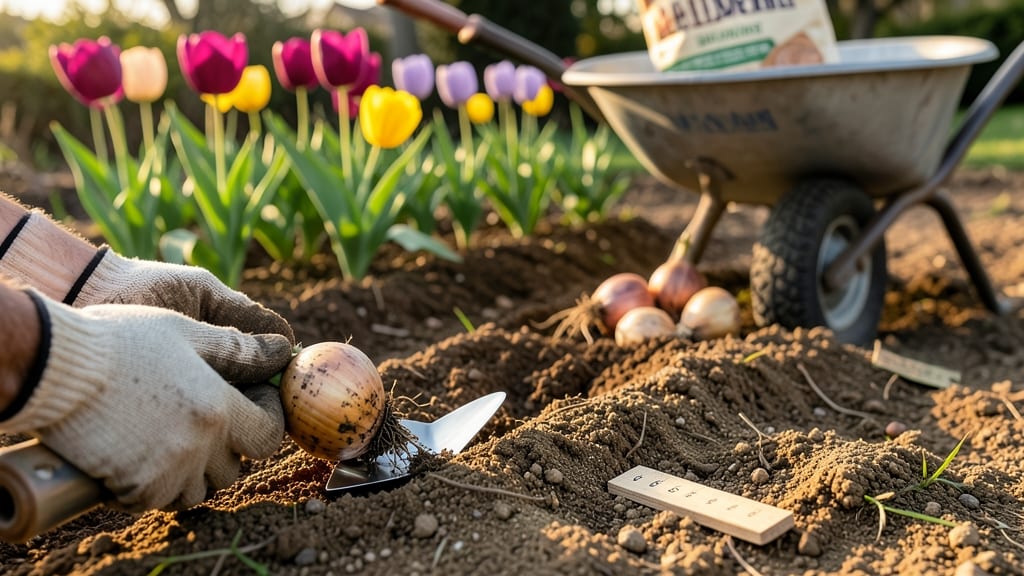
Planting tulip bulbs 🌷 in North Carolina between October and November is the key to those showstopping spring blooms you’ve been dreaming of.
North Carolina’s mild winters can throw off your timing—wait too long, and your bulbs won’t get enough chill hours to bloom. Plant too early, and they might rot before winter sets in. The trick? Knowing your zone’s frost dates and soil temps to nail the perfect window.
Here’s what you need to know: when to dig, how deep to plant, and the simple soil prep that keeps your tulips thriving through NC’s unpredictable seasons.
By the end, you’ll have a foolproof schedule for planting tulips that burst into color right when your neighbors’ gardens are still brown and dormant.
North Carolina tulip planting timeline by chill-hour zones (NC 6a-8b)
North Carolina’s three chill-hour zones (6a, 7a-7b, and 8a-8b) create distinct windows for planting tulip bulbs. The difference between these zones can mean the gap between vibrant spring blooms and failed growth.
In Zone 6a, you have the most chill hours (up to 1,500), while Zone 8b offers just 500-700—critical for selecting the right varieties and timing.
Your planting window hinges on soil temperature and frost dates. Aim to plant when daytime temps hover around 60°F or below, and nighttime temps drop to 40°F or lower. This typically lands in late October through November, but your exact zone dictates the precise weeks.
Miss this window, and you risk bulbs rotting in warm soil or failing to bloom due to insufficient chill.
In Zone 6a, you can push planting until mid-November thanks to colder winters. But if you wait too long, bulbs may not establish roots before frost sets in.
For Zones 7a-7b, focus on mid-October to early November—this ensures bulbs get enough chill without overheating in the soil. Meanwhile, Zone 8b gardeners must plant by mid-October or risk bulbs sprouting too early and getting fried by warm spells.
Early tulip varieties like 'Early Harvest' (Zone 6a) or 'Apeldoorn' (Zone 8b) bloom sooner and tolerate shorter chill periods. Late varieties such as 'Darwin Hybrids' need more chill hours and are better suited for cooler zones.
If you’re in Zone 8b, consider pre-chilling bulbs for 8-10 weeks in your fridge before planting to mimic winter conditions.
One critical mistake is planting too early when soil temps are still warm. Tulips need cool soil (below 60°F) to prevent rot. Use a soil thermometer to check—if it’s above 60°F, wait a week or two.
Another pitfall? Planting too shallow. Bulbs should go 6-8 inches deep to protect them from temperature swings and rodent nibbling.
For Zone 6a, add a 4-inch layer of mulch after planting to insulate bulbs from freeze-thaw cycles. In Zone 8b, where winters are milder, use black plastic mulch in late fall to drop soil temps faster. Both tricks help bulbs meet their chill-hour requirements without guesswork.
Timing also affects bloom time. Planting in late October (Zone 7a-7b) typically yields blooms by mid-April, while early October plantings (Zone 8b) may bloom as early as late March.
To extend your tulip season, stagger plantings: bury 1/3 of bulbs in early October, 1/3 in mid-October, and the final third in early November (Zone 6a).
If you’re unsure about your exact chill hours, check the NC State Extension’s chill-hour map or use a digital thermometer to track temps. For Zone 8b, where chill hours are scarce, prioritize species tulips like 'Greigii', which bloom reliably with fewer chill hours.
In contrast, Darwin Hybrids in Zone 6a will reward you with larger, longer-lasting blooms.
Remember: Perfect timing isn’t just about the calendar—
How to prep tulip bulbs for NC’s mild winters (chill-hour hacks)
North Carolina’s mild winters often mean fewer chill hours than tulips need to bloom reliably. Without proper prep, your tulip bulbs might sprout leaves but skip flowering entirely. The good news?
With a few smart strategies, you can trick your tulips into thinking they’ve had enough winter chill—even in our USDA zones 7a-8b. Let’s dive into the chill-hour hacks that’ll guarantee those dreamy spring blooms.
First, understand that most tulips require 12-16 weeks of temperatures below 40°F to trigger blooming. In NC’s warmer winters, this often falls short. The solution? Combine proper bulb chilling, soil temperature tricks, and variety selection that thrive in mild climates.
For example, Darwin Hybrid and Fosteriana tulips are more forgiving than delicate Parrot or Fransen types. Let’s break down exactly how to prep your bulbs for success.
- 1 Pre-chill bulbs indoors for 6-8 weeks before planting. Store them in a paper bag in your fridge’s crisp drawer (35-40°F) to mimic winter chill. This works best for late October planting and gives bulbs a head start.
- 2 Plant in raised beds or containers filled with sandy loam to improve drainage and cool soil faster. Raised beds can drop 5-10°F cooler than in-ground soil, giving bulbs the extra chill they need. Add a 3-inch layer of mulch after planting to insulate roots.
- 3 Choose early-blooming varieties like 'Red Emperor' or 'Ice Cream', which need fewer chill hours. These Darwin Hybrid tulips often bloom even in NC’s mild winters. For bolder colors, opt for Fosteriana types—they’re the most chill-hour tolerant and thrive in zones 5-8.
- 4 Plant deeper than usual—aim for 8-10 inches deep instead of 6-8 inches. The extra soil helps regulate temperature and protects bulbs from warm winter thaws. Use a soil thermometer to confirm soil temps are below 60°F before planting.
- 5 Add a cold frame over newly planted bulbs in Zone 8b areas. A simple clear plastic dome or frost blanket can drop temperatures by 10-15°F at night, giving bulbs the extra chill they crave. Remove it in late winter to prevent overheating.
Don’t overlook the power of soil amendments either. Mix in composted manure or well-rotted leaves before planting to improve soil structure and moisture retention. Tulips hate soggy soil, so ensure your garden bed has good drainage.
If your soil is heavy clay, consider amending it with coarse sand or perlite to mimic the well-draining conditions tulips love.
Finally, avoid fertilizing until after the first signs of spring growth. Too much nitrogen now can encourage leafy growth at the expense of blooms. Instead, focus on mulching with straw or shredded leaves to protect bulbs from temperature swings and winter moisture loss.
With these tricks, even NC’s mild winters won’t stand a chance against your tulips’ blooming ambitions!
Pro tip: Keep a gardening journal to track which varieties bloom best in your microclimate. Over time, you’ll discover the perfect tulip-chill combo for your specific corner of NC—whether it’s a shady woodland garden or a sun-drenched front yard. Happy planting! 🌷