
Plants
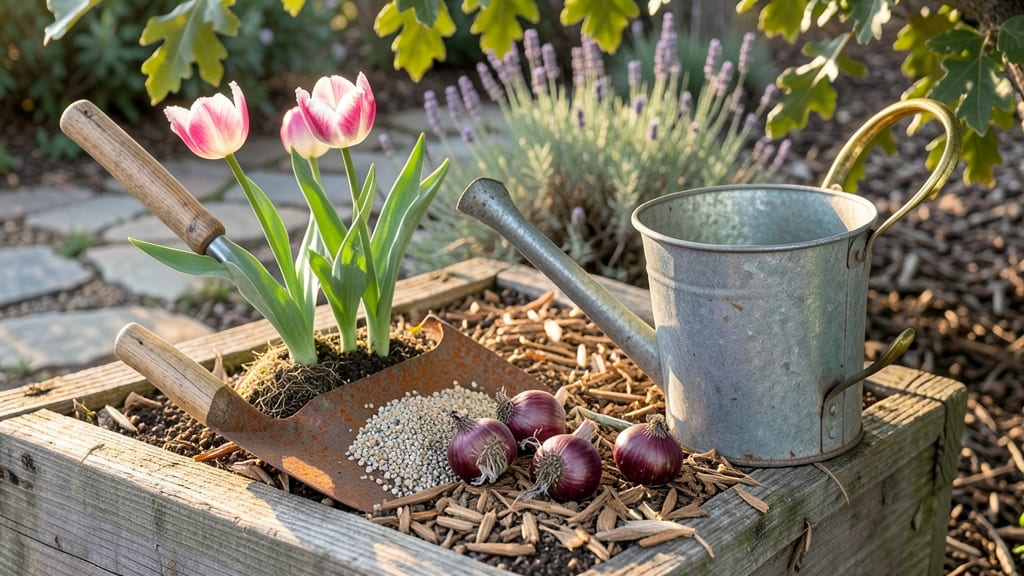
Planting tulip bulbs in Southern California requires precise timing to beat the region’s mild winters and avoid rot or missed blooms.
Southern California’s mild winters make growing tulips possible—but timing is everything. Plant too early, and your bulbs rot; too late, and they won’t bloom. Here’s your exact guide to planting tulip bulbs in SoCal, including chill-proof varieties that thrive in our climate.
Unlike colder zones, SoCal’s USDA 9b-11 means traditional fall planting often misses the mark. The key? Planting in November–January when soil cools but frost isn’t a threat. Coastal areas can even stretch into February, while inland spots need earlier prep to handle occasional cold snaps.
Below, I’ll walk you through the perfect window, soil tricks to mimic chill, and which tulip varieties actually bloom here—no guessing, just guaranteed spring color.
Best time to plant tulip bulbs in Southern California (exact months & conditions)
Southern California’s unique climate—with its mild winters and frost-free zones—means traditional fall planting rules don’t always apply. Most gardeners in USDA zones 9b-11 can plant tulips later than Northern climates, but timing still matters to avoid rot or failed blooms.
The key is aligning planting with soil temperatures and chill requirements of your chosen varieties.
Unlike colder regions where tulips go dormant in winter, SoCal’s mild winters (avg. 40–60°F) create a narrower window. Planting too early (before October) risks bulb rot from cool, damp soil, while waiting too long (after January) may delay—or even prevent—spring blooms.
The sweet spot? November through December, when soil temps hover around 50–60°F and winter rains are on the horizon.
🌱
For coastal areas like Los Angeles or San Diego, aim for late November to December. The ocean’s moderating effect keeps soil temps cooler, but winter rains can lead to waterlogged soil if bulbs are planted too early.
In these zones, well-draining soil is non-negotiable—amend with compost or sand if your native soil is clay-heavy.
Inland valleys like Riverside or Temecula experience hotter soil in late fall, so October–November planting is ideal. These areas often see warmer soil temperatures (55–65°F), which can trigger early sprouting. To prevent this, mulch with 2–3 inches of straw after planting to insulate bulbs and mimic cooler conditions.
If you’re in desert regions like Palm Springs, your window shifts to December–January. Traditional tulips struggle here due to insufficient chill hours, but Darwin Hybrid tulips or Fosteriana varieties can thrive. For these, consider pre-chilling bulbs in the fridge for 8–12 weeks before planting to jumpstart dormancy.
High-elevation areas like Big Bear or Mount San Jacinto have cooler nights, so plant earlier (October–November). These zones may still see light frosts, so protect newly planted bulbs with mulch or frost cloth until roots establish.
The soil temperature threshold here is lower (45–55°F), so don’t wait too long.
Regardless of your microclimate, always plant bulbs 6–8 inches deep and 4–6 inches apart in full sun to partial shade. SoCal’s intense sun can scorch tulip foliage, so a morning sun, afternoon shade spot works best in inland areas.
Water deeply after planting and once more in spring when shoots emerge—no need for frequent watering once established.
Pro tip: If you miss the ideal window, don’t despair! February planting can still work for chill-proof varieties, though blooms may be smaller or delayed. Just ensure soil temps are consistently above 50°F and mulch heavily to protect bulbs from spring heat stress.
🌷
Top 5 chill-proof tulip varieties that bloom in Southern California (with hardiness ratings)
Southern California’s mild winters (USDA zones 9b-11) can still support tulips—if you choose the right varieties. Traditional tulips require 12-16 weeks of chill hours, but these chill-proof cultivars bloom reliably with as little as 3-10 days of cold.
Let’s dive into the top 5 that thrive in our climate, ranked by hardiness, bloom season, and color impact.
Most gardeners struggle because they assume all tulips need freezing temps. The truth? Darwin Hybrid and Fosteriana tulips are bred to handle SoCal’s warm winters. These varieties store energy differently, triggering blooms with minimal chill.
Below, I’ve ranked them by chill requirement (fewest days first) so you can pick the perfect fit for your microclimate—whether you’re in coastal Santa Barbara or inland Riverside.
My top pick for SoCal gardens is the Fosteriana 'Yellow Emperor'—it blooms earliest (as few as 5 chill days) and thrives in both coastal and inland areas. Its golden hue also stands out against our mild winter greenery.
For height and drama, Darwin Hybrid 'Red Emperor' reaches 2.5 feet and adds bold red pops to spring borders.
If you’re planting in coastal areas (like Malibu or Laguna Beach), prioritize Fosteriana varieties—they handle milder temps better. Inland areas (e.g., San Bernardino) can try Darwin Hybrids, which tolerate slightly warmer soils.
Pro tip: Mulch heavily (3–4 inches of straw) to simulate chill and protect bulbs from winter heat spikes.
For container gardening, opt for Greigii 'Red Emperor'—its compact size (1–1.5 ft) makes it ideal for patio pots. Just ensure your container has drainage holes to prevent rot in our occasional wet winters. Pair it with succulents or lavender for a Mediterranean-inspired look that blooms year-round.
Remember: SoCal tulips often rebloom if you leave foliage until it yellows naturally. This extra photosynthesis time strengthens bulbs for next year’s even bigger blooms. Skip the urge to cut stems early—patience pays off with longer vase life and healthier plants.