
Plants
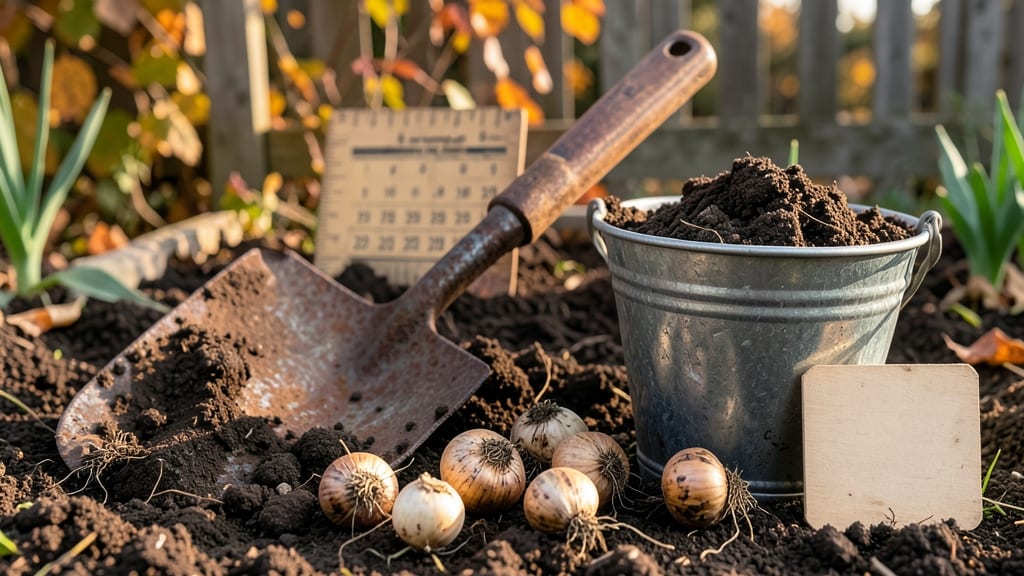
Planting tulip bulbs in Southern Ontario means timing them 6 weeks before the ground freezes—usually between mid-October and early November, depending on your exact frost date.
Get this wrong, and you’ll either watch your bulbs rot in soggy soil or see them sprout too late, only to be nipped by frost before they even bloom. I’ve seen both happen—even to experienced gardeners who assumed "fall" meant anytime between September and December.
But here’s the good news: with a few simple adjustments for your specific microclimate, you can nail the timing every year. We’ll break down the frost-date formula that works for Toronto, Hamilton, and beyond, plus how to prep your soil and space those bulbs just right.
By the end, you’ll know exactly when to dig, how deep to plant, and which tricks keep your 🌷 tulips thriving through Ontario’s unpredictable winters. No more guessing—just perfect blooms next spring.
Southern Ontario frost-dates: the exact window for planting tulip bulbs
Planting tulip bulbs in Southern Ontario hinges on understanding your local frost dates and soil temperature thresholds. In USDA Zones 6a/6b (covering Toronto, Hamilton, and London), the ideal window is 6 weeks before the first hard frost, when soil temps drop to 40°F (4°C).
This timing ensures bulbs establish roots but don’t rot in soggy fall soil.
For most of Southern Ontario, the first hard frost typically arrives between October 15 and November 1, depending on elevation and microclimates. Urban areas like Toronto often see frost 1-2 weeks later than rural spots, so adjust accordingly.
The key is planting when soil temps are below 60°F (15°C) but still workable.
| Region | Avg. First Frost | Planting Window | Soil Temp Threshold | Key Tip |
|---|---|---|---|---|
| Toronto (Zone 6a) | October 20–25 | October 5–15 | Below 60°F (15°C) | Urban areas stay warmer; wait until mid-October |
| Hamilton (Zone 6b) | October 15–20 | September 25–October 5 | Below 55°F (13°C) | Cooler microclimates; plant earlier |
| London (Zone 6a) | October 25–November 1 | October 10–20 | Below 60°F (15°C) | Rural areas freeze faster; monitor soil temps |
| Niagara (Zone 6b) | October 10–15 | September 20–October 1 | Below 58°F (14°C) | Warmer microclimate; plant as early as September |
To pinpoint your exact frost dates, check Environment Canada’s historical data for your nearest weather station. Look for the “last spring frost” (usually May 15) and count backward 6 weeks—this gives your planting deadline.
For example, if frost hits October 22, aim to plant by September 1.
Soil temperature is just as critical as air temperature. Use a soil thermometer to confirm temps are consistently below 60°F (15°C) before planting. Cold soil prevents rot while allowing roots to grow. In wet years, delay planting until soil drains well—soggy soil = bulb rot.
Pro tip: Layer mulch (straw or leaves) after planting to insulate bulbs and regulate soil temps. This extends the planting window by 1-2 weeks in marginal zones. Just avoid piling mulch directly against bulb necks to prevent moisture buildup.
If you miss the ideal window, don’t panic! You can plant as late as early November in most of Southern Ontario, but expect smaller blooms the first year. For late plantings, choose frost-hardy varieties like Darwin Hybrids or Fosteriana tulips, which handle cold better.
Remember: Tulips need chill hours (40–50°F / 4–10°C) to bloom. Southern Ontario’s winters provide plenty, but planting too late reduces root establishment. Aim for 4–6 weeks before frost for the best results—your spring garden will thank you with bold, vibrant blooms!
🌷
Step-by-step planting schedule by month for Southern Ontario gardeners
Southern Ontario’s fall frost dates vary by region—Niagara’s warmer microclimates delay frost by 2-3 weeks compared to Ottawa. To guarantee tulip bulb success, aim to plant 4-6 weeks before ground freeze, typically between mid-October and early November. This schedule adjusts for soil temperature drops and regional differences.
Use this month-by-month checklist to prepare your soil, plant at the right depth, and protect bulbs from early frosts. Each step includes depth guidelines and spacing rules to prevent rot or overcrowding. For warmer areas like Niagara, extend planting into early December if needed.
🌷 Southern Ontario Tulip Planting Schedule
- September: Soil prep only—test drainage and amend with compost (aim for pH 6.0-7.0). Avoid planting bulbs; soil temps are still too warm.
- Late September (Niagara only): Plant early bloomers (e.g., Darwin Hybrids) if your area has warmer microclimates. Use 6-inch depth and 4-inch spacing.
-
October (Main Planting Month):
- Plant bulbs 6-8 inches deep (3x bulb height) and 4-6 inches apart.
- Water deeply after planting (1 inch of water) to settle soil.
- Mulch with 2-3 inches of straw to insulate bulbs.
- Early November (Ottawa/Kitchener): Final planting window. Use 8-inch depth for late bloomers (e.g., Fosteriana) to delay frost damage.
- Mid-November: Stop watering unless soil is bone-dry. Let bulbs harden off naturally before winter.
Adjust planting dates 1-2 weeks earlier for elevated or exposed sites (e.g., urban rooftops) where frost arrives sooner. In protected microclimates (e.g., southern slopes), extend planting into early December for late-frost areas like Niagara.
After planting, avoid disturbing soil—tulips need underground root growth before winter. In heavy clay soils (common in London), mix in sand or peat moss to improve drainage. This prevents bulb rot, a common mistake in waterlogged soils.
By following this schedule, your tulip bulbs will establish strong roots before frost, ensuring vibrant blooms next spring. For container planting, use well-draining pots and plant bulbs shallow (4-5 inches deep) to account for root restriction.