
Planting
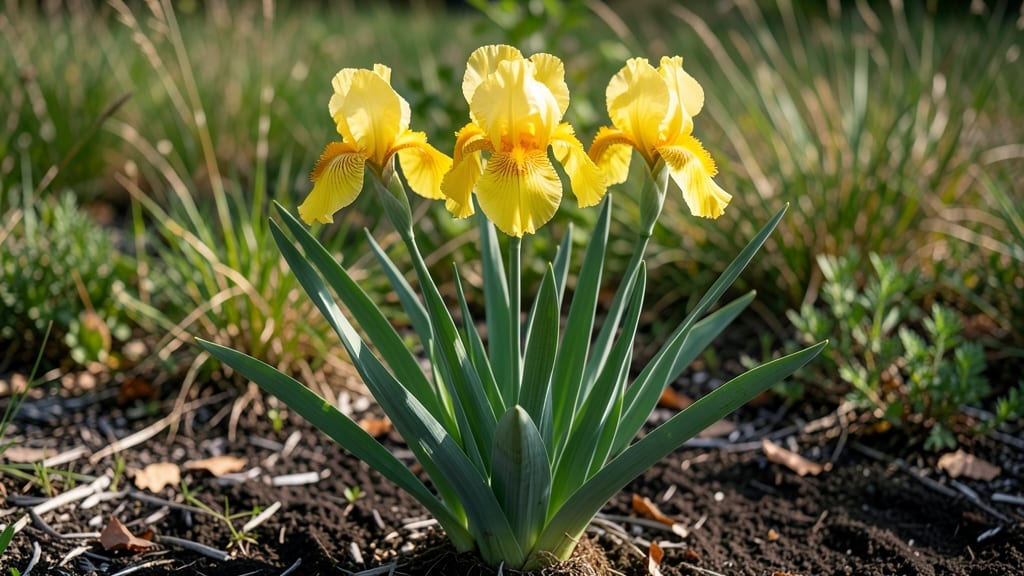
Growing yellow iris bulbs means waking up to golden blooms that multiply like wildfire. 🌱 I planted mine last fall, and now they spread across the garden border, returning every year with zero effort.
These cold-hardy perennials thrive where other flowers falter, and their cheerful color brightens shady spots most plants avoid.
Start with rhizomes (not true bulbs) in late summer or early fall when soil temps drop below 70°F. Plant them shallow—just 1-2 inches deep—with the top third exposed.
They need full sun to partial shade and well-draining soil, or they’ll rot. Most gardeners overwater them, but irises hate soggy roots—think "damp, not wet."
By spring, you’ll see sword-like foliage followed by 3-4 foot stalks of golden blooms that last weeks. The best part? They divide themselves—dig up clumps every 3-4 years to share with neighbors or replant crowded spots.
Just avoid fertilizing heavily; irises prefer lean soil. Common mistakes? Planting too deep or in heavy clay. Skip those, and you’re golden.
Perfect for cottage gardens, rain gardens, or even containers. These perennials reward patience with decades of blooms and almost no maintenance. Once established, they’ll outlast you—and probably your garden tools too.
Root Causes Behind Weak Growth
If your yellow iris bulbs aren’t thriving—or worse, are struggling to bloom—understanding the why behind their behavior is half the battle. These cold-hardy perennials are resilient, but a few key factors can derail their growth.
Below, we break down the most common culprits, backed by science, so you can diagnose and fix the issue before next season.
Yellow irises (like Iris pseudacorus or Iris germanica) thrive in well-draining, slightly alkaline soil with a pH between 6.0 and 7.5. When soil is too dense, waterlogged, or nutrient-deficient, roots suffocate, leading to stunted growth, yellowing leaves, or even bulb rot.
- Compacted or clay-heavy soil: Prevents oxygen flow to roots, causing stress and poor nutrient uptake. Solution: Amend with compost or sand to improve aeration.
- Excessive organic matter: While compost is great, too much can create a soggy, anaerobic environment. Solution: Mix in perlite or coarse sand (20-30%) to maintain drainage.
- Low phosphorus or potassium: Essential for root development and flowering. Solution: Apply a balanced 10-10-10 fertilizer in early spring or use bone meal for phosphorus.
💡 Pro Tip: Test your soil’s pH with a kit—if it’s below 6.0, add lime to raise alkalinity. Irises hate acidic soil!
Yellow irises are drought-tolerant once established, but overwatering or inconsistent moisture can trigger bulb rot (Erwinia or Fusarium bacteria) or leaf scorch. Here’s how to get it right:
- Overwatering: Soggy soil suffocates roots and invites fungal diseases. Signs: Mushy, blackened rhizomes or leaves turning yellow and mushy.
- Underwatering: While irises hate "wet feet," they still need 1–1.5 inches of water weekly (more in extreme heat). Signs: Crispy leaf edges or wilting despite moist soil.
- Irregular watering: Causes stress, making bulbs vulnerable to pests or disease. Solution: Water deeply 2–3 times per week in dry spells, then taper off in fall to harden rhizomes.
⚠️ Warning: Never let irises sit in standing water. If your garden floods, plant bulbs on a mound or raised bed.
Yellow irises need full sun (6+ hours daily) to bloom vigorously. Too much shade or harsh afternoon sun can weaken them:
- Insufficient light: Leads to leggy, weak stems and few blooms. Solution: Move to a south- or west-facing spot or prune nearby trees.
- Intense afternoon sun: Can scorch leaves in hot climates. Solution: Provide afternoon shade (e.g., lattice screen) if temps exceed 90°F (32°C).
- Wind exposure: Whips leaves, stressing the plant. Solution: Plant near a windbreak (hedge or fence).
🌡️ Climate Note: In Zone 3–9, irises handle cold well but may need mulch in winter to protect rhizomes from freeze-thaw cycles.
Healthy irises rarely fall prey to pests, but aphids, iris borers, or fungal infections can turn leaves yellow and stunt growth. Here’s how to spot and stop them:
| Pest/Disease | Signs | Fix |
|---|---|---|
| Iris Borers (larvae) | Hollow stems, sawdust-like frass, wilting leaves | Remove infested leaves/stems and apply neem oil in early spring. |
| Fungal Leaf Spot (Drechslera) | Yellow/brown spots with black centers, defoliation | Prune infected leaves and spray copper fungicide at first sign. |
| Aphids | Sticky residue (honeydew), curled leaves | Blast off with water or use insecticidal soap. |
🔥 Prevention Tip: Divide bulbs every 3–4 years to improve airflow and reduce pest buildup.
Yellow iris bulbs multiply via rhizome offsets, but if left unchecked, they become overcrowded, competing for nutrients and light. This leads to:
- Smaller, weaker blooms
- Increased disease risk (less airflow)
- Stunted leaf growth
✨ Solution: Dig up and divide rhizomes in early fall—keep the firm, plump sections and discard soft, mushy ones. Replant 2–3 inches deep with the top third exposed.
Revive Your Irises Naturally
When your irises lose their vibrant charm, don’t panic—there’s always a way to bring them back to life! Whether your plants are struggling with poor growth, discolored leaves, or failed blooms, these practical fixes will help you restore your garden’s beauty.
Below, we’ve mapped common issues to step-by-step solutions, plus prevention tips to keep your irises thriving for years.
Problem: Yellowing leaves, fewer blooms, or bulbs that refuse to multiply? Overcrowding or aging bulbs are likely the culprits.
How to Fix It: ✅ 🔪 Divide & Refresh
- When: Early fall or spring (before new growth appears).
- How:
- Dig up the entire clump with a spade, shaking off excess soil.
- Separate bulbs gently—discard soft, mushy, or hollow ones.
- Replant firm, healthy bulbs 3–4 inches deep, spacing them 12–24 inches apart.
- Pro Tip: 💡 Dividing every 3–5 years keeps irises vigorous and blooming!
✅ 🌱 Boost Soil Health
- Amend clay or compacted soil with compost or sand to improve drainage.
- Avoid rich fertilizer—irises thrive in lean, well-draining soil.
Prevent Future Issues:
- Mark planting spots to avoid overcrowding.
- Mulch lightly (1–2 inches) to retain moisture without suffocating roots.
Problem: Wilting leaves, yellowing foliage, or rotten bulbs? Too much or too little water can stress irises.
How to Fix It: ✅ 💦 Adjust Your Watering Routine
- Drought Stress? Water deeply 1–2 times per week (more in extreme heat).
- Overwatering? Let soil dry between waterings—irises hate soggy roots.
- Test Your Soil: Stick your finger 2 inches down—if dry, water; if muddy, hold off.
✅ 🌧️ Improve Drainage
- Plant on a slope or raised bed if your yard floods easily.
- Add gravel or perlite to heavy soil mixes.
Prevent Future Issues:
- Water early in the day to reduce fungal risks.
- Use drip irrigation to target roots directly.
Problem: Pale leaves, stunted growth, or weak stems? Your irises might be hungry—or getting the wrong food.
How to Fix It: ✅ 🍽️ Feed the Right Way
- Spring Boost: Apply a low-nitrogen, high-phosphorus fertilizer (like 5-10-10) when leaves emerge.
- Avoid Over-Fertilizing: Too much nitrogen = leafy but no blooms.
- Organic Option: Mix in bone meal or composted manure for slow-release nutrients.
✅ 🌱 Soil Test First
- If leaves are yellow with green veins, it’s likely iron deficiency—sprinkle chelated iron in spring.
Prevent Future Issues:
- Test soil every 2–3 years (local extension offices often offer cheap tests).
- Less is more—irises are low-maintenance perennials!
Problem: Chewed leaves, black spots, or slimy bulbs? Pests and pathogens can sabotage your irises.
How to Fix It: ✅ 🐜 Deal with Common Pests
- Iris Borers: Dig up infested bulbs, soak in soapy water, and replant in wire mesh cages (to deter larvae).
- Slugs/Snails: Set up beer traps or use iron phosphate bait (pet-safe).
- Aphids/Spider Mites: Spray with neem oil or insecticidal soap.
✅ 🍄 Treat Fungal Issues
- Leaf Spot? Remove infected leaves and space plants for airflow.
- Soft Rot? Dig up bulbs, dry them in shade, and replant in sterilized soil.
Prevent Future Issues:
- Rotate planting spots every few years to break disease cycles.
- Clean up debris in fall to reduce overwintering pests.
Problem: Leggy stems, weak blooms, or yellowing edges? Your irises might be in the wrong spot.
How to Fix It: ✅ 📍 Move to the Perfect Spot
- Ideal Light: Full sun (6+ hours/day)—irises need brightness to bloom.
- Too Shady? Thin nearby trees or transplant to a sunnier area.
- Wind Exposure: Plant near a windbreak (like a fence) to prevent stem damage.
Prevent Future Issues:
- Observe your yard—irises in partial shade may need a move by mid-summer.
- Group by color for easier maintenance and visual appeal!
| Season | Task | Why It Matters |
|---|---|---|
| Spring | Fertilize + divide clumps | Jumpstarts growth and blooms |
| Summer | Deadhead spent blooms | Encourages reblooming |
| Fall | Cut back foliage (after frost) | Prevents disease over winter |
| Winter | Mulch lightly (if in cold zones) | Protects roots from freeze-thaw cycles |
Final Thought: 🌟 With the right care, your irises will reward you with vibrant blooms and effortless multiplication for decades! Try one fix this season and watch your garden transform. Happy planting!
Frequently asked questions
Are yellow iris bulbs the same as true bulbs like tulips?
No, yellow irises grow from rhizomes (thick, horizontal root stems), not true bulbs like tulips. These rhizomes store nutrients and multiply underground, creating natural clumps over time. Plant them shallowly—just 1-2 inches deep—with the top third exposed to sunlight.
When is the best time to plant yellow iris rhizomes?
The ideal window is late summer to early fall (August-September) when soil temperatures drop below 70°F. This gives roots time to establish before winter. If you miss this, spring planting works too, but blooms may be delayed the first year.
Why aren't my yellow irises blooming?
Most likely they need more sunlight—irises require 6+ hours of direct sun daily. Other culprits: overcrowded rhizomes (divide every 3-4 years), poor drainage, or too much fertilizer. Start by moving them to a sunnier spot and reducing fertilizer.
Can I grow yellow irises in containers?
Yes! Use large containers (at least 12 inches deep) with drainage holes. Plant rhizomes shallowly in well-draining potting mix with 20% perlite or sand. Containers dry out faster—water when the top 1 inch of soil feels dry. Move pots to full sun in spring/summer.
How do I know if my yellow iris rhizomes are healthy?
Healthy rhizomes feel firm, plump, and have a slight sheen. Look for green growing tips and no soft spots or hollow centers. Discard any that smell rotten or feel mushy—these are signs of disease. Store healthy ones in a cool, dry place until planting season.