
Planting
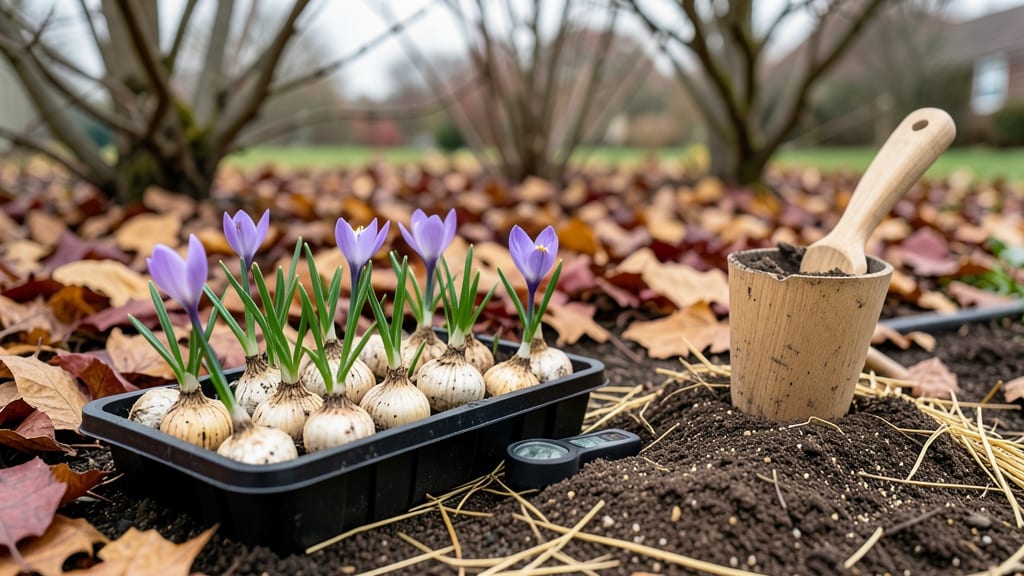
The best time to plant crocus bulbs is four to six weeks before your first frost — a window that unlocks their early spring magic 🌷.
Want vibrant purple, white, or yellow blooms to brighten your garden next spring? Timing is everything when planting crocus bulbs. Plant too early, and they may sprout before winter sets in; too late, and they won’t get the chill hours they need to bloom.
In USDA Zone 6a, that means aiming for late September to early November, when soil temperatures hover around 50°F.
Why does this matter? Crocus bulbs thrive on cold dormancy, and planting them at the right time ensures they’ll break through the soil as soon as the frost lifts. Skip this step, and you might end up with weak blooms—or worse, no flowers at all.
The good news? With the right prep, you can turn a fall chore into a spring spectacle.
Below, I’ll walk you through the exact planting window for your region, how to prep your soil, and the three mistakes that kill crocus blooms before they even start. Let’s get those bulbs in the ground the right way!


When to plant crocus bulbs by climate Zone: chill hours & frost-free soil guide
Crocus bulbs thrive when planted at the right time, but their ideal planting window shifts dramatically across USDA climate zones. These hardy bloomers need 30-60 days of chill hours (temperatures below 40°F) to trigger spring blooms.
Plant too early, and they’ll rot; too late, and they won’t get enough dormancy. Let’s break it down by zone so you can time it perfectly.
Northern climates (Zones 3-5) have longer frost seasons, so aim for September-October planting—about 6-8 weeks before the first hard frost. Southern zones (7-9) can plant later, even into November, thanks to milder winters. The key is ensuring bulbs establish roots before the ground freezes.
Chill hours are your secret weapon. Most crocus varieties need 45-60 days below 40°F to bloom reliably. In Zone 6, this typically means planting by mid-October. In Zone 8, you might push it to early November—but check your local frost dates to avoid surprises.
Here’s a quick reference for frost-free soil and planting windows by zone:
| USDA Zone | Best Planting Window | Chill Hours Needed | Soil Temp Threshold | Notes |
|---|---|---|---|---|
| 3-5 (Cold Winters) | Late August–September | 45-60 days | 40-50°F | Plant early to avoid early frosts |
| 6-7 (Moderate Winters) | September–October | 30-45 days | 45-55°F | Flexible window; avoid soggy soil |
| 8-9 (Mild Winters) | October–November | 20-30 days | 50-60°F | Later planting works; mulch to protect |
| 10+ (Minimal Chill) | November–December | 10-20 days | 55-65°F | Use cold-hardy varieties |
If you’re in a transition zone (like Zone 6b), err on the earlier side—late September is safer than waiting for October. The goal is to give bulbs 4-6 weeks of root growth before the ground freezes.
Use a soil thermometer to confirm temps are below 60°F but not yet frozen.
For early frosts, plant crocus bulbs in containers and move them to a garage or cold frame until spring. This trick works especially well in Zone 5 or colder.
Conversely, in Zone 8+, you can plant as late as December if your winters are mild, but mulch heavily to prevent soil heaving from freeze-thaw cycles.
Pro tip: Stagger your planting by 2-3 weeks for a longer bloom season. Plant half your bulbs in September and the rest in October—this ensures some flowers will pop up early, while others bloom later. Just make sure all bulbs get their required chill hours before spring.
Watch for local microclimates too. A north-facing slope might stay cooler longer, while a south-facing bed could warm up faster. Adjust your planting date accordingly. And if you’re unsure, ask your local nursery—they’ll know the average frost dates for your area.
Finally, don’t plant in soggy soil. Crocus bulbs rot easily if they sit in waterlogged conditions. Amend heavy clay with compost or sand to improve drainage. Once planted, add a 2-inch layer of mulch to insulate the soil and protect bulbs from temperature swings.
With these climate-specific guidelines, your crocus bulbs will wake up bright and early next spring, ready to brighten your garden with cheerful colors. Happy planting! 🌷
5 Critical signs your soil is ready for crocus bulbs (and 3 mistakes to avoid)
Crocus bulbs thrive when planted in soil that’s cool but workable and moist without being soggy. The key is timing—soil that’s too warm or dry stresses bulbs before they establish roots.
I’ve learned the hard way that rushing planting can lead to rot or failed blooms, so let’s focus on the 5 critical signs your garden bed is ready.
First, check the soil temperature—it should sit between 40-50°F. Use a soil thermometer to confirm; crocus bulbs need this cool dormancy period to develop strong roots.
If your soil is still above 50°F, wait a few weeks. I once planted mine too early in a warm spell, and the bulbs rotted before winter.
Next, test moisture levels by squeezing a handful of soil. It should hold its shape but not feel damp or sticky. Crocus bulbs hate waterlogged soil—excess moisture suffocates them. If your soil feels like a sponge, amend it with sand or perlite to improve drainage before planting.
⚠️ Critical Warning: Planting Too Late or Too Early
Mistake #1: Planting when soil temps are above 50°F causes bulbs to sprout prematurely, leading to rot or frost damage. Fix: Wait until nighttime temps consistently drop below 50°F.
Mistake #2: Ignoring bulb depth (planting too shallow) exposes them to freeze-thaw cycles, which can kill the bulb. Fix: Bury bulbs 3-4 inches deep for protection.
Mistake #3: Planting in soggy or compacted soil traps moisture, causing fungal diseases. Fix: Loosen soil and mix in compost or grit for aeration.
Now, assess soil texture. Crocus bulbs prefer loose, well-draining soil—think of it like a sandy loam. If your soil is heavy clay, mix in organic matter like compost or leaf mold to lighten it.
I’ve had the best success in raised beds with a 50/50 mix of garden soil and compost.
Pay attention to weather forecasts for the next 4-6 weeks. You want stable cool temps and no hard freezes predicted. Crocus bulbs need time to root before winter, so avoid planting if a sudden cold snap is forecasted.
I once planted mine too close to a frost warning, and the young roots didn’t survive.
Finally, observe local wildlife activity. If earthworms and insects are still active in your garden, your soil is likely ready. These creatures thrive in ideal planting conditions—cool, moist, and aerated. If they’ve already burrowed underground, your soil is perfect for crocus bulbs.