
Planting
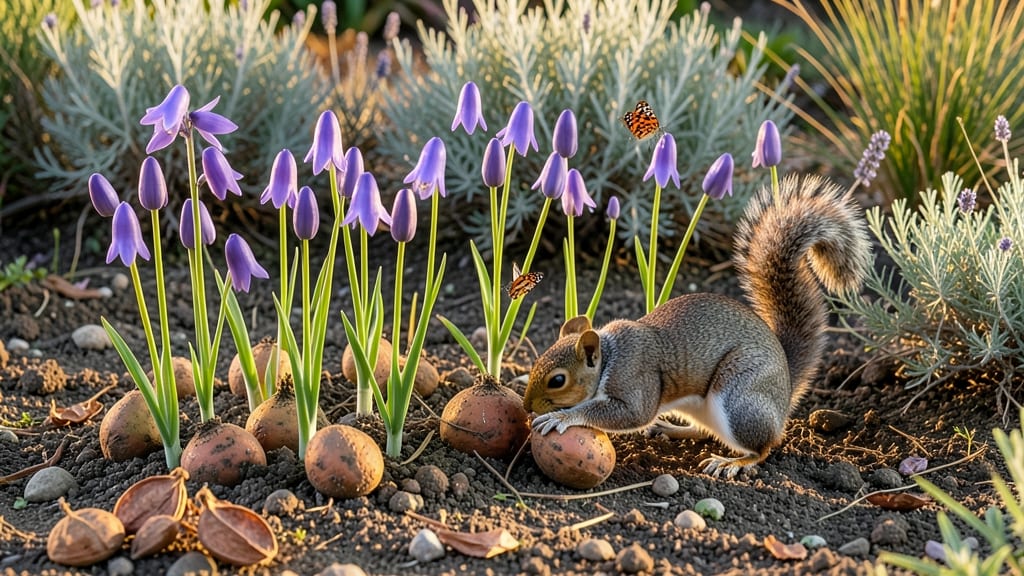
September is the perfect time to plant bulbs that promise vibrant fall blooms and stunning spring displays. These 10 varieties thrive when planted now, offering year-round beauty with minimal effort.
Daffodil Bulbs for Early Spring Cheer
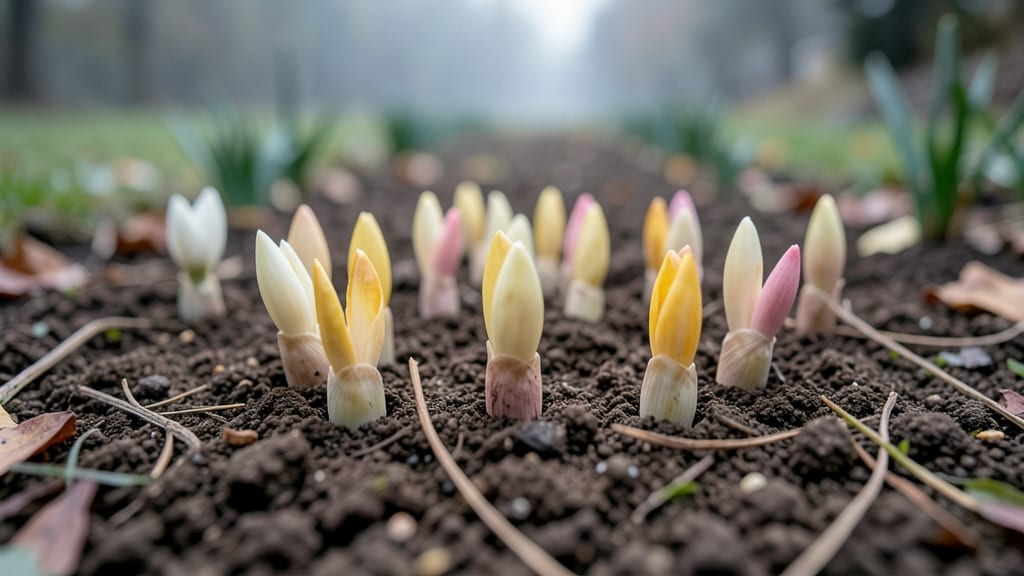
Brighten your garden next spring with daffodil bulbs, the most reliable early bloomers for fall planting. These cold-hardy bulbs thrive in temperatures as low as -20°F, making them perfect for zones 3-9 without extra protection.
Plant 6 inches deep in well-draining soil with the pointy end up, and space them 4-6 inches apart. Their deer-resistant nature means you won’t lose blooms to hungry wildlife, while their naturalizing ability lets them spread year after year. Choose from classic yellow varieties like 'Tête-à-Tête' or striking white 'Ice Follies' for a cheerful pop of color.
Ideal for beginners and busy gardeners, daffodils reward minimal effort with bold, long-lasting blooms that signal spring’s arrival. 🌱
Tulip Bulbs for Bold Spring Color
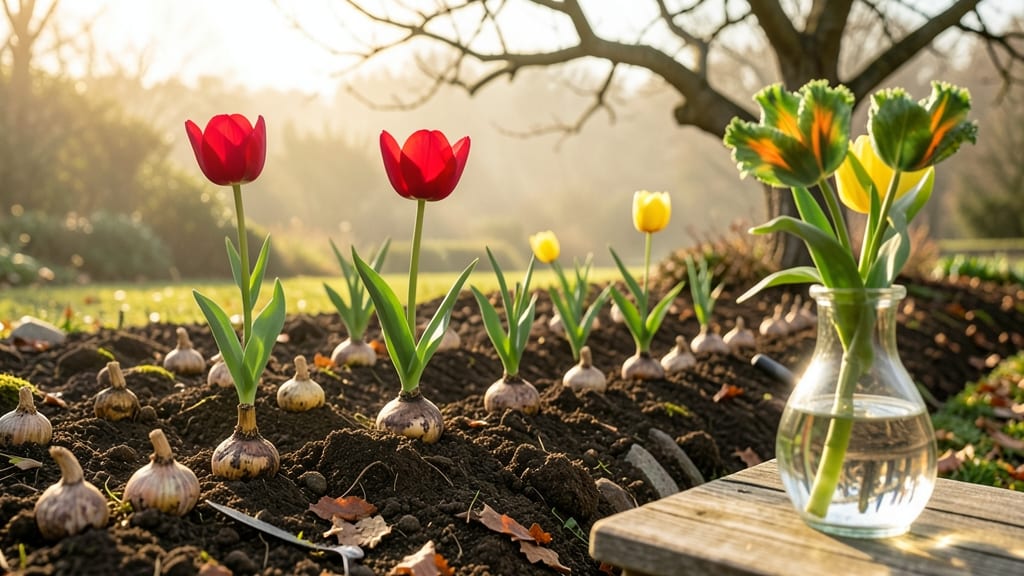
Want tulips that last longer in vases and spread effortlessly across your garden? Parrot, Darwin hybrid, and species tulips are your secret weapons for bold spring color that keeps giving—both in the garden and in arrangements.
These varieties stand out because their blooms hold up better in water (thanks to thicker petals), and they naturalize more reliably than standard tulips. Plant them now for 6-8 weeks before frost, and you’ll get stronger roots before winter. Bonus: They resist flopping in windy spots better than frilly types.
Perfect for gardeners who love cut flowers or want low-maintenance blooms that multiply over time. 🌻
Crocus Bulbs for Winter Interest
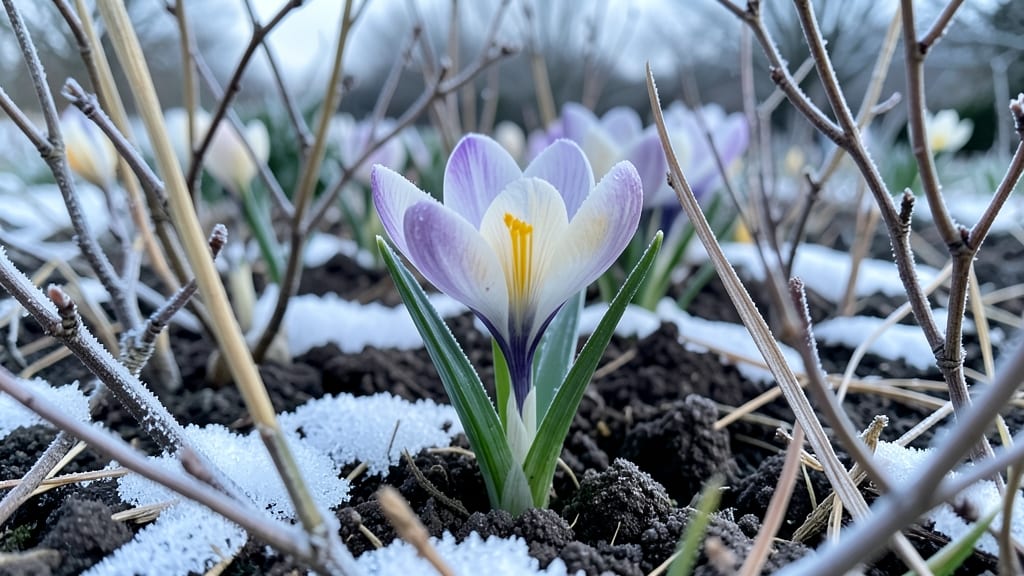
When winter seems endless, crocus bulbs become your secret weapon—delicate blooms that defy the cold and emerge as early as late winter or early spring. Unlike many spring bulbs, crocus thrives in fall planting and can even push through snow, offering a splash of color when little else is blooming.
Plant these hardy bulbs just 3-4 inches deep in well-draining soil, and they’ll reward you with clusters of purple, white, or yellow flowers that attract early pollinators. They’re perfect for cold climates (USDA Zones 3-9) and even naturalize over time, creating a carpet of cheerful blooms with minimal effort. Bonus: They’re deer-resistant, so you won’t lose them to hungry critters. 🌱
Allium Bulbs for Dramatic Height
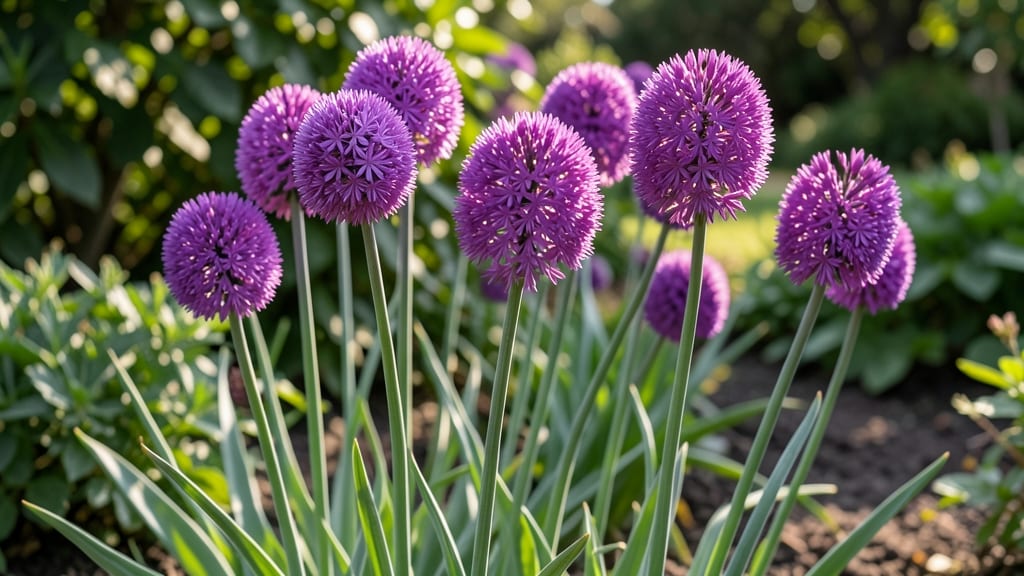
Looking to add dramatic vertical interest to your garden without the fuss of tall perennials? Globemaster alliums are your secret weapon—these globe-shaped blooms reach 2-3 feet tall and create bold focal points that last from late spring through summer.
Plant them now for next year's show: these bulbs thrive in full sun and well-drained soil, making them perfect for borders, containers, or even cutting gardens. The spherical purple blooms attract bees and butterflies while providing striking contrast against green foliage. For best results, plant bulbs 6 inches deep and 8-10 inches apart in September.
Urban gardeners and small-space planners will love how alliums bring height without spreading—ideal for patios or narrow beds. Their long vase life also makes them a favorite for fresh cut arrangements. 💚
Hyacinth Bulbs for Fragrant Spring Perfume
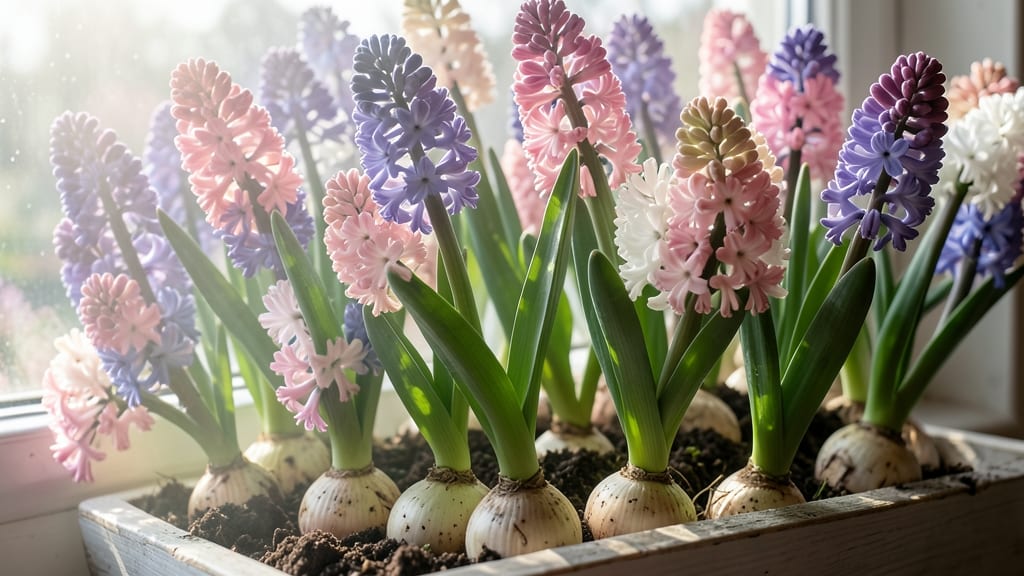
Want your garden to smell like a springtime perfume shop? Hyacinth bulbs deliver clusters of fragrant pink, purple, or white blooms that fill the air with sweet, intoxicating scent—perfect for containers, window boxes, or borders where you'll enjoy their aroma up close.
These easy-to-grow bulbs thrive in full sun to partial shade and prefer well-draining soil. Plant them 6 inches deep and 4-6 inches apart in September for spring blooms, or choose early varieties like 'Delft Blue' for winter fragrance. A little bulb fertilizer at planting time gives them a head start.
Urban gardeners and small-space lovers will adore hyacinths—their compact size and dramatic scent make them ideal for patios and balconies. Just be sure to deadhead spent blooms to encourage next year's perfume show. 🌷
Snowdrop Bulbs for Early Winter Blooms
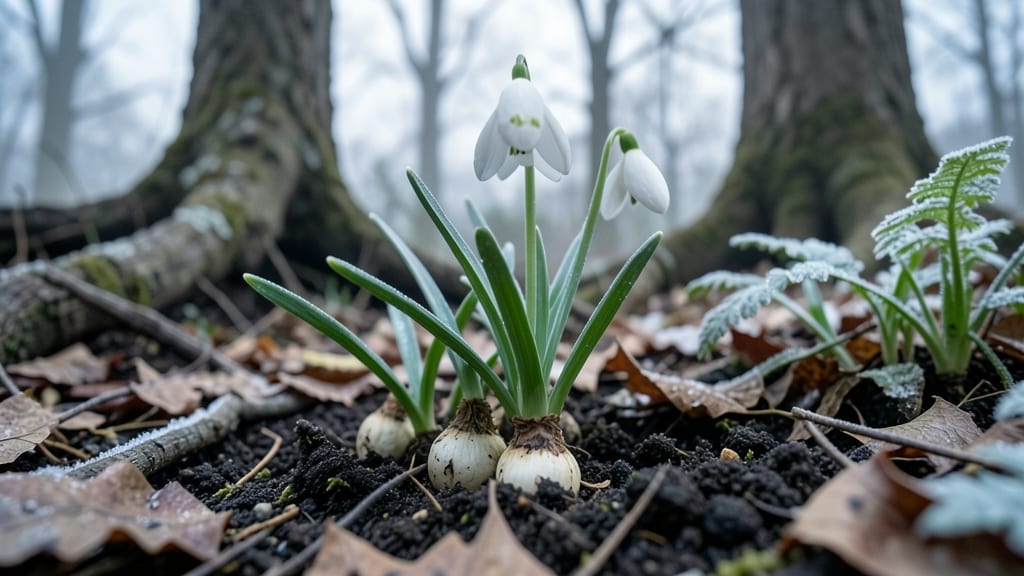
When your garden feels dormant under winter’s chill, snowdrop bulbs defy the cold with their delicate white blooms—often pushing through snow or frost to announce spring’s arrival. These hardy perennials thrive in shady woodland settings where few other plants dare to bloom, making them ideal for under trees, along fences, or in containers.
Plant snowdrop bulbs in September at a depth of 3-4 inches in well-draining soil mixed with compost. They prefer moist, humus-rich conditions but tolerate dry shade once established. A single bulb produces 2-3 flowers, and they naturalize beautifully over time, creating lush carpets of early blooms. Their toxic properties also deter deer and squirrels, giving you peace of mind.
Perfect for gardeners who love low-maintenance, early-season interest, snowdrops bring magic to shaded spots where most plants struggle. Their subtle beauty makes them a favorite for cottage gardens and woodland landscapes alike. 🌱
Fritillary Bulbs for Unique Checkered Patterns
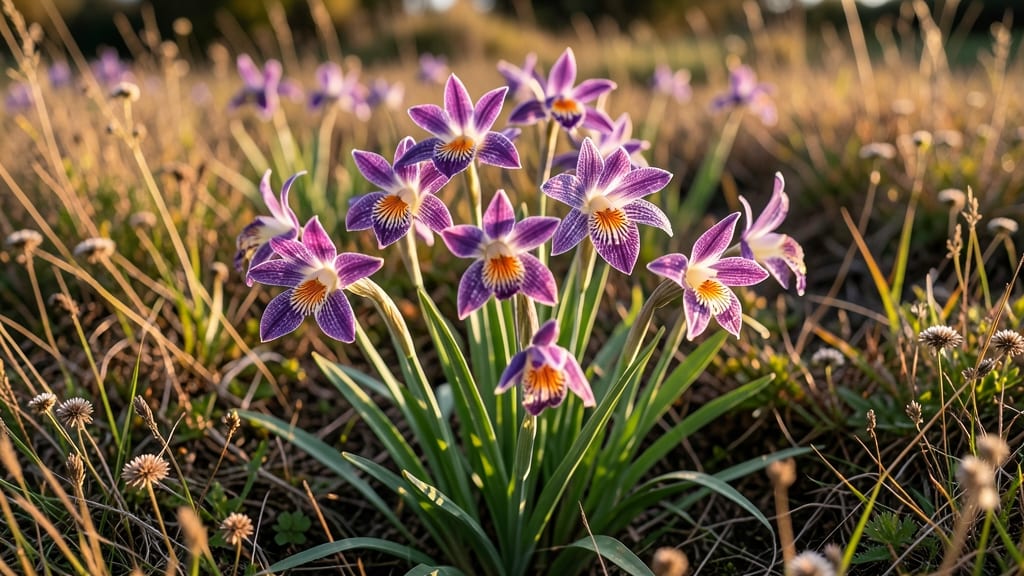
Skip the predictable solid-colored blooms—imperial fritillaries bring a whimsical twist to your garden with their checkered petals in shades of purple, orange, and white. These bulbs thrive in full sun to partial shade, making them perfect for naturalizing along pathways or in meadow-style gardens where their delicate, nodding flowers create a fairy-tale effect.
Plant them in well-draining soil at a depth of 4-6 inches, spacing bulbs 4-6 inches apart for optimal air circulation. Unlike many bulbs, fritillaries don’t need rich soil—they’re happy in average garden conditions and even tolerate drought once established. Their late spring blooming (May-June) ensures you’ll have unique color when most spring flowers have faded.
Perfect for low-maintenance gardeners or those seeking wildflower meadow vibes, these bulbs multiply over time, spreading to create stunning natural displays. 🌷
Muscari Bulbs for Bluebell-Like Clusters
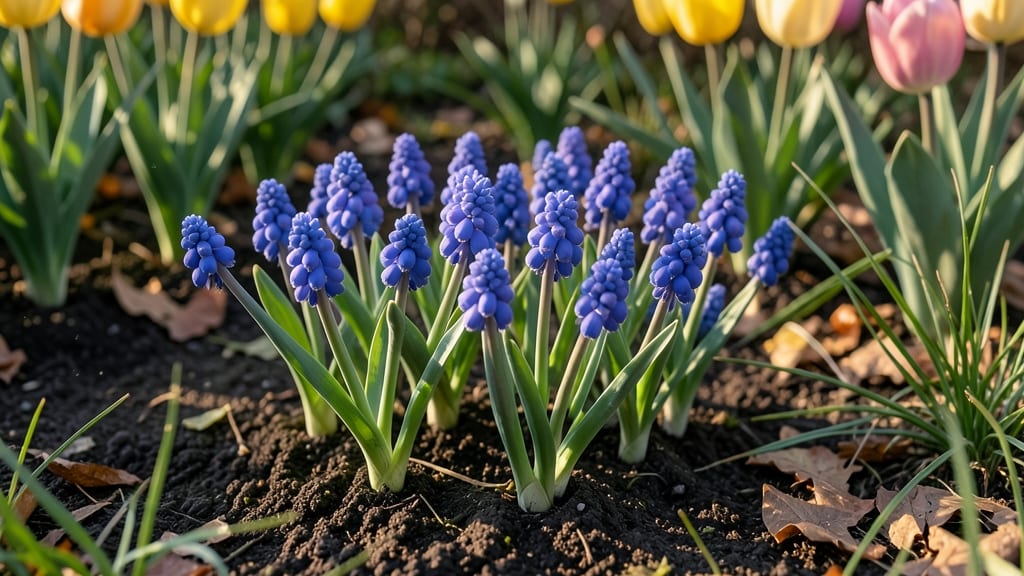
Want a burst of blue beauty that pairs perfectly with your tulips and daffodils? Muscari bulbs (grape hyacinths) deliver dense, bell-shaped clusters that thrive in both sun and partial shade—no fuss, just stunning results.
Plant these fall-blooming bulbs 6 inches deep and 4-6 inches apart for a naturalized look. They multiply over time, creating lush drifts of violet-blue spikes that bloom in late spring. Their grass-like foliage stays tidy, making them ideal for borders, containers, or even woodland gardens.
Perfect for beginners or busy gardeners, muscari bulbs return year after year with almost no care. Add them to your September planting list for effortless color that complements spring favorites. 💚
Anemone Bulbs for Late Summer Flowers
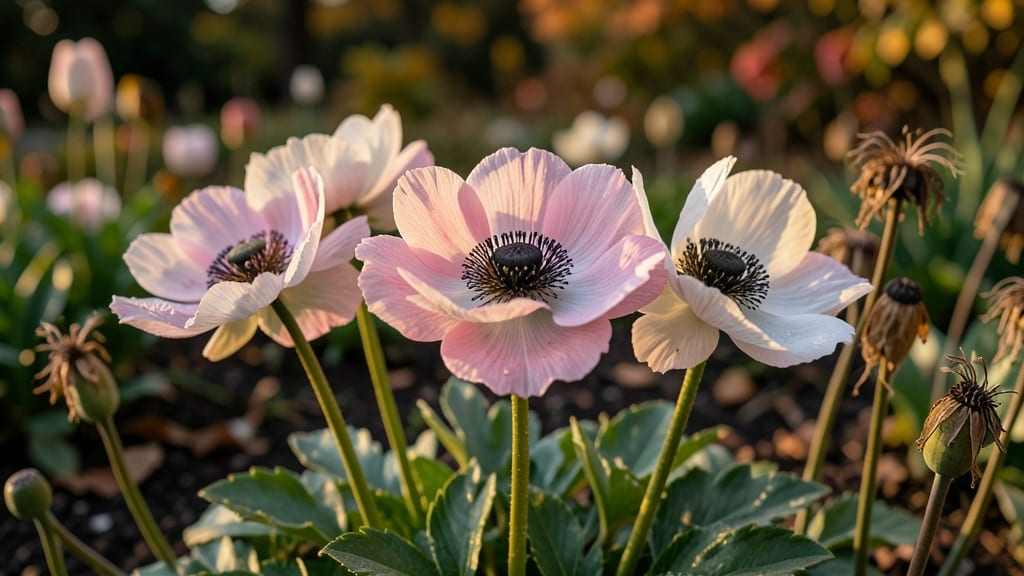
When most spring bulbs have faded by late summer, Japanese anemones step in with their elegant pink or white blooms, creating a dramatic focal point in your garden. These perennials (often mistaken for true bulbs) thrive when planted in September, offering seasonal interest when other flowers take a break.
Plant anemone tubers in well-draining soil with partial shade to full sun, about 3-4 inches deep and spaced 12-18 inches apart. They prefer moist but not soggy conditions and reward you with 3-4 foot tall stems topped with 2-3 inch flowers from August through October. Deadhead spent blooms to encourage more flowers next season.
Perfect for cottage gardens, woodland edges, or mixed borders, these anemones attract butterflies and add late-season texture to your landscape. They’re also low-maintenance once established, making them ideal for gardeners who want color without the fuss. 🌷
Squirrel-Corn Bulbs for Wildlife Gardens

Want to turn your garden into a wildlife hotspot while enjoying a dual harvest? Squirrel-corn bulbs (also called Brodiaea) deliver striking purple blooms in spring and nutritious, potato-like tubers that squirrels adore—and you can eat too!
These drought-tolerant bulbs thrive in USDA zones 5-9 with minimal care, naturalizing beautifully in sunny meadows or garden edges. Plant them 3-4 inches deep in well-draining soil, and watch for 6-inch-tall flower spikes that emerge in late spring. The edible tubers, harvested in fall, have a nutty flavor perfect for roasting or mashing.
Ideal for urban gardeners and wildlife enthusiasts, squirrel-corn bulbs double as a pollinator magnet while offering a unique, low-maintenance harvest. 🌻