
Planting
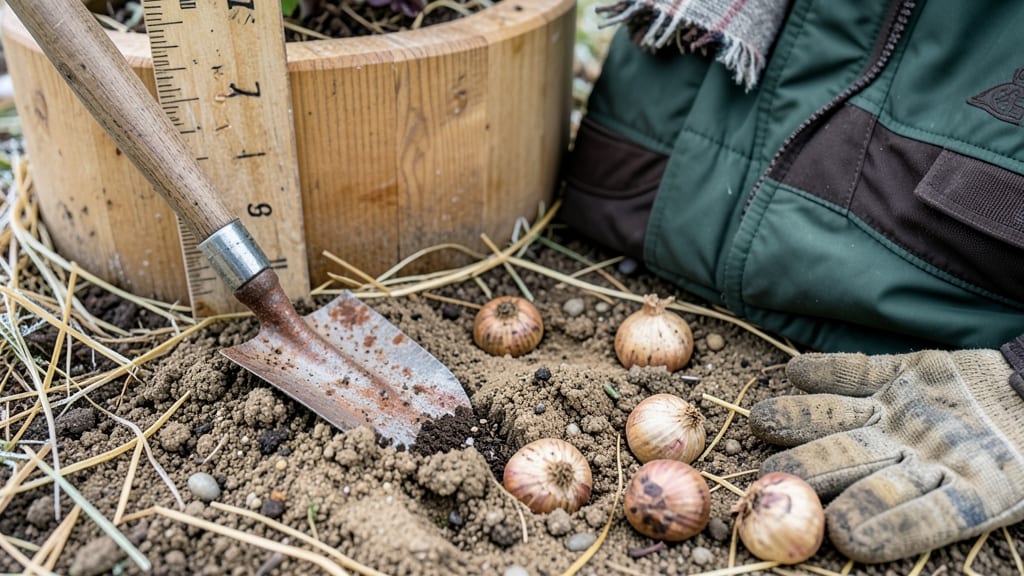
Planting tulip bulbs in January works for cold-hardy varieties in the right conditions — but only if you pick the right types and prepare the soil correctly.
January’s chill might seem like the last place to start planting, but some chill-hardened tulips actually thrive when tucked into cold soil. The key is choosing varieties like Tulipa tarda or Tulipa greigii, which handle winter temperatures better than most hybrids.
These bulbs need a dormancy period in cold soil to bloom beautifully in spring, so timing and soil prep matter just as much as the variety.
If you’re in USDA Zone 6a or colder, you can plant in January as long as the ground isn’t frozen. For milder climates, like parts of Zone 7, January is a great time to get a head start before spring planting.
The trick is working quickly—bulbs should go into well-draining soil 6-8 inches deep before the ground freezes solid. Skip this step, and you risk frost heave or rot.
In this guide, I’ll walk you through the best January-friendly tulip varieties, how to prep your soil for winter planting, and what to watch for to ensure your bulbs survive until spring.
By the end, you’ll know exactly whether January planting is right for your garden — and how to make it work.


Best chill-hardened tulip varieties for January planting
When most gardeners are bundling up against winter, January planting might seem counterintuitive—but certain chill-hardened tulips actually need cold soil to thrive. These winter-planting tulips are bred to survive USDA zones 3-7 and even benefit from a dormant period in freezing temperatures.
The key? Choosing early-blooming species like Tulipa tarda or Tulipa greigii, which naturally naturalize in cold climates.
These varieties aren’t just frost-tolerant—they require cold stratification to break dormancy. Planting in January (or late December) gives them time to establish roots before spring growth.
Plus, their compact size (often under 12 inches tall) makes them perfect for rock gardens, woodland edges, or even container growing in colder regions. Let’s dive into the top 5 chill-hardened tulips for winter planting and why they outperform hybrid tulips in cold soil.
Tulipa tarda tops the list for January planting thanks to its exceptional cold tolerance—it thrives in USDA zone 3, where most tulips would freeze. These wild-type tulips bloom earlier than hybrids, often by 3-4 weeks, giving you a spring color burst when other gardens are still bare. Their naturalizing ability means they’ll multiply year after year with minimal care, making them ideal for meadow-style plantings or wildflower gardens.
If you love fragrant flowers, Tulipa clusiana (Lady Tulip) is a must-try. Its delicate, cup-shaped blooms release a light, sweet scent that attracts pollinators early in the season.
Unlike hybrid tulips, which often flop in heavy rain, Lady Tulips have sturdy stems that hold up to winter winds. Plant them in rock gardens or along pathways where you can enjoy their early spring color up close.
For cut-flower enthusiasts, Tulipa greigii delivers bold, long-lasting blooms with cheerful colors like fire-engine red and golden yellow. This variety
January planting guide: soil prep, depth, and timing tips
Planting tulip bulbs in January can work—but only if you follow the right steps. The key lies in soil prep, proper depth, and understanding your local climate. Cold-hardy varieties like Tulipa tarda thrive when planted in winter, but most tulips need fall prep.
Let’s break down the essentials to ensure your bulbs survive and bloom beautifully next spring.
First, focus on soil preparation. Tulips demand well-draining soil to prevent rot, especially in winter’s damp conditions. Amend heavy clay with compost or sand to improve aeration. Test your soil’s pH—aim for 6.0 to 7.0, the ideal range for tulips.
If your soil is too acidic, add lime; if alkaline, mix in peat moss or sulfur.
Next, timing matters. In northern climates (USDA Zones 3-5), plant bulbs by mid-January to avoid frost heave. In southern zones (6-8), you have until late January or early February.
The rule of thumb: plant 4-6 weeks before the ground freezes to allow roots to establish before winter sets in.
⚠️ Critical Warning: Frost Heave Risk
Never plant tulip bulbs in frozen or waterlogged soil. Frost heave can push bulbs to the surface, exposing them to freezing temperatures. If your ground is hard, wait for a mild day (above 40°F) or plant in raised beds with well-draining soil. Mulch heavily (3-4 inches) after planting to insulate bulbs.
Depth is critical for winter planting. Bury bulbs 6-8 inches deep, with the pointy end up. This depth protects them from extreme cold while allowing roots to grow downward.
Space bulbs 4-6 inches apart to prevent overcrowding, which can lead to disease or poor blooms. For naturalized meadows, increase spacing to 8-10 inches.
Mulching is your best defense against winter’s harshness. After planting, apply a 3-4 inch layer of mulch (straw or shredded leaves work well). This insulates the soil, regulates temperature, and retains moisture. Avoid thick mulch layers, though—over-mulching can suffocate bulbs and trap excess moisture, leading to rot.
Finally, adjust for your region. In mild climates (Zones 8-10), January planting is ideal for early-blooming tulips, but avoid planting in freezing zones (below Zone 3) where soil may stay frozen. If your area experiences harsh winters, opt for fall planting (October-November) instead.