
Planting
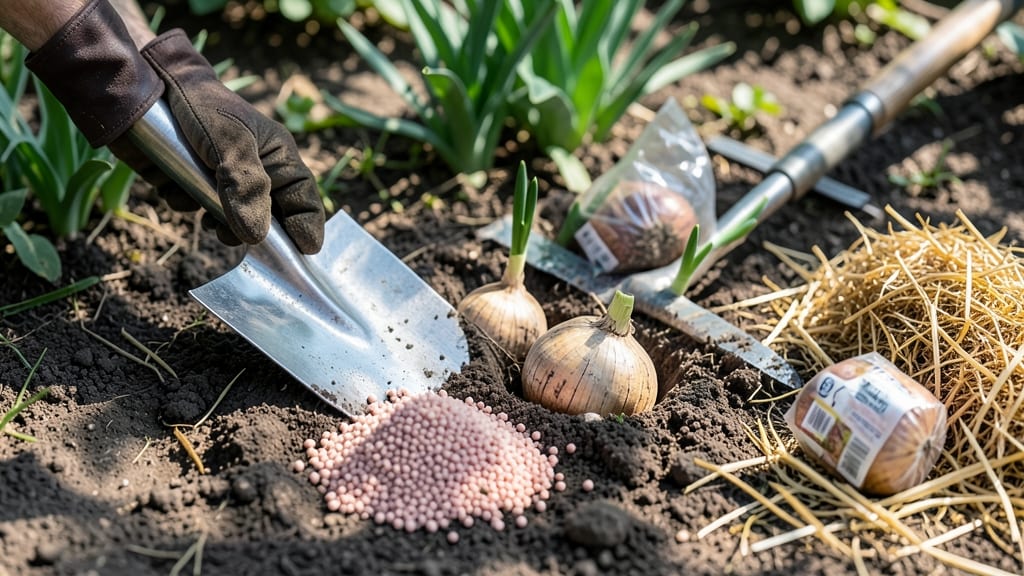
Planting the fall-planted lily bulbs in the fall sets the stage for next year’s showstopping blooms, but timing and depth make all the difference.
Picture this: you’ve chosen the perfect 🌷 variety, but a few weeks too early and your bulbs rot before winter. Too late, and they won’t root in time for spring.
In USDA Zone 6a, the October–November window is your sweet spot—but even then, soil prep and planting depth can turn a great start into a disaster.
Most gardeners skip the soil test before planting, only to wonder why their lilies underperform. The truth? Well-draining, slightly acidic soil paired with the right depth (twice the bulb’s height) is non-negotiable. Miss these steps, and you’ll spend next spring staring at bare stems instead of vibrant blooms.
In this guide, I’ll walk you through the exact month-by-month timing for your zone, the ideal planting depth, and the common mistakes that kill even the hardiest lilies. By the end, you’ll know exactly how to plant for guaranteed spring success—no guesswork included.
Best planting months for fall-planted lily bulbs by US climate Zones
Timing is everything when planting lily bulbs in fall. If you plant too early, they might sprout and get damaged by frost. Too late, and they won’t establish strong roots before winter.
The key is planting when soil temperatures drop below 60°F (15°C) but before the ground freezes—typically 4-6 weeks before your first frost. This window varies dramatically across USDA zones, so let’s break it down by region.
In USDA Zones 3-5, where winters are harsh, aim for mid-September to early October. These zones need early planting to give bulbs time to root before the ground freezes solid.
For Zones 6-8, a broader window of October to early November works, as milder winters allow for later planting. Meanwhile, Zones 9-10 can plant as late as November to early December, thanks to their mild winters.
Regional adjustments matter too. In the Pacific Northwest, where winters are wet and cool, plant earlier (September-October) to avoid soggy soil. In the Deep South (Zones 8-10), where frost comes late, you can push planting to November without risking frost damage.
Always check your local last frost date and adjust accordingly.
Soil temperature is your best guide. Use a soil thermometer to confirm temperatures are consistently below 60°F (15°C) before planting. If your soil stays warm too long, bulbs may sprout prematurely and suffer frost damage.
In Zones 3-5, soil temps drop faster—plant by mid-October at the latest. In Zones 9-10, you might even squeeze in a December planting if soil hasn’t frozen.
Here’s a quick reference for fall planting by zone, including soil temp thresholds and regional tweaks:
| USDA Zone | Best Planting Month | Soil Temp Threshold | Regional Adjustment | Key Risk |
|---|---|---|---|---|
| Zones 3-5 | Mid-September to early October | Below 60°F (15°C) | Early planting for root establishment | Premature sprouting |
| Zones 6-8 | October to early November | Below 60°F (15°C) | Avoid wet springs (Pacific NW) | Fungal rot in soggy soil |
| Zones 9-10 | November to early December | Below 65°F (18°C) | Late frost risk in high elevations | No frost damage |
For Pacific Northwest gardeners, prioritize planting by mid-October to avoid the region’s wet, cool winters. In Zones 6-7, where winters are mild but springs are wet, plant by early November to prevent bulb rot from excess moisture.
Meanwhile, in Zones 9-10, where frost is rare, you can plant as late as December, but aim for November for best results.
If you’re unsure about your local climate, err on the side of earlier planting. Bulbs planted too late may not establish roots before winter, leading to weak or no blooms the following spring.
In Zones 3-5, for example, planting by mid-October ensures bulbs have 4-6 weeks to root before the ground freezes. In warmer zones, you have more flexibility, but don’t wait until January—bulbs need time to acclimate.
Pro tip: If your soil is still warm in late fall, hold off on planting until temperatures drop. Use a soil thermometer to confirm it’s consistently below 60°F (15°C) before planting. This simple step can save your bulbs from premature sprouting and frost damage.
In Zones 9-10, where soil stays warm longer, you might not need to rush—just plant before the first frost.
Once you’ve nailed the timing, focus on soil preparation. Lilies thrive in well-draining soil with a pH of 6.1-7.0. Amend heavy clay soil with compost or sand to improve drainage, and avoid planting in areas where water pools.
After planting, apply a 2-3 inch layer of mulch to insulate bulbs and regulate soil temperature. This is especially critical in Zones 3-5, where winters are harsh.
Remember, the goal is to give your lily bulbs time to root but not sprout before winter. With the right timing and soil conditions, you’ll be rewarded with vibrant spring blooms that’ll make your garden the envy of the neighborhood. Happy planting! 🌷
How deep and spaced should lily bulbs be planted for spring blooms?
Getting the depth and spacing right when planting lily bulbs in fall is the secret to avoiding rot and ensuring those dreamy spring blooms. Most gardeners dig too shallow, which leaves bulbs vulnerable to frost heave or waterlogging.
The key is following science-backed guidelines that match your soil type and lily variety.
For most lily bulbs, aim to plant them 6-8 inches deep—that’s roughly 2-3 times the bulb’s height. This depth protects them from temperature swings while allowing roots to establish before winter.
Smaller bulbs (like Asiatic lilies) can go on the shallower side, while larger Oriental lilies need the extra depth to prevent rot.
| Soil Type | Planting Depth | Spacing | Adjustments |
|---|---|---|---|
| Sandy Soil | 6-7 inches | 8-10 inches apart | Add compost to retain moisture |
| Clay Soil | 7-8 inches | 10-12 inches apart | Amend with organic matter |
| Loamy Soil | 6-8 inches | 6-8 inches apart | Ideal for most lily varieties |
Spacing is just as critical as depth. Plant lily bulbs 6-12 inches apart, depending on their mature size. Dwarf varieties (like Martagon lilies) can handle closer spacing, while tall Oriental lilies need room to prevent competition.
Crowding leads to weak stems and fewer blooms—so resist the urge to pack them in!
If your soil is heavy clay, plant bulbs slightly deeper (up to 8 inches) to prevent water pooling around the base. In sandy soil, you can go shallower (around 6 inches) but add a layer of compost to help retain moisture.
Always plant with the pointy end up—this ensures proper root and shoot development.
To prevent bulb rot, avoid planting in soggy spots or areas with poor drainage. If your garden holds water after rain, create a raised bed or amend the soil with perlite.
Mulch lightly (1-2 inches) after planting to insulate bulbs, but avoid piling mulch directly against the bulb itself—this can trap moisture and invite rot.
With the right depth and spacing, your lily bulbs will overwinter beautifully and reward you with bold spring blooms. Mark their locations with stakes or flags so you don’t accidentally disturb them during winter cleanup—patience now means stunning flowers later! 🌷