
Planting
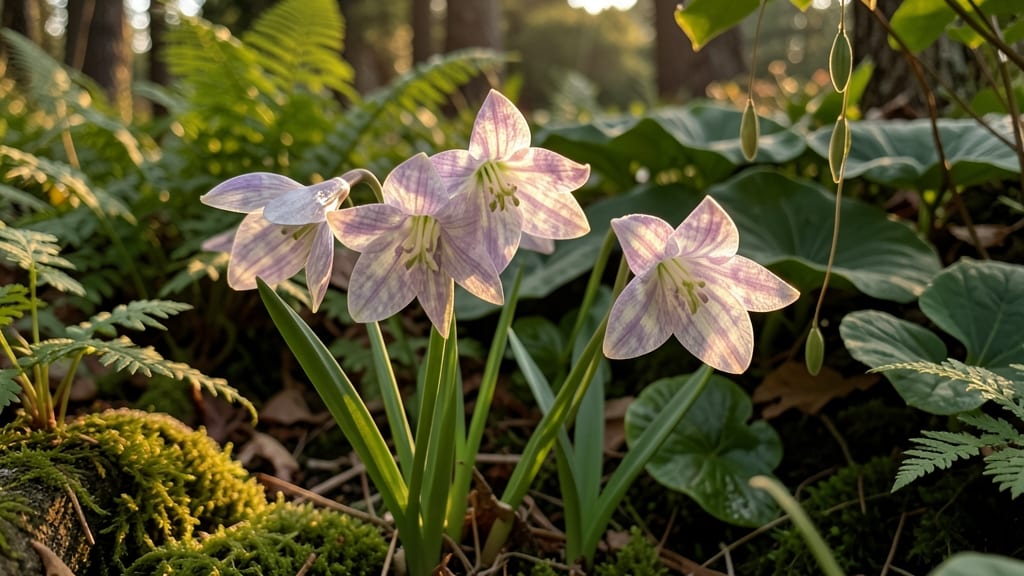
Struggling to add color to shady garden spots? These 10 shade-loving flower bulbs deliver vibrant blooms year-round with minimal sunlight requirements, perfect for under trees or north-facing beds.
Snowdrops for Early Spring Blooms
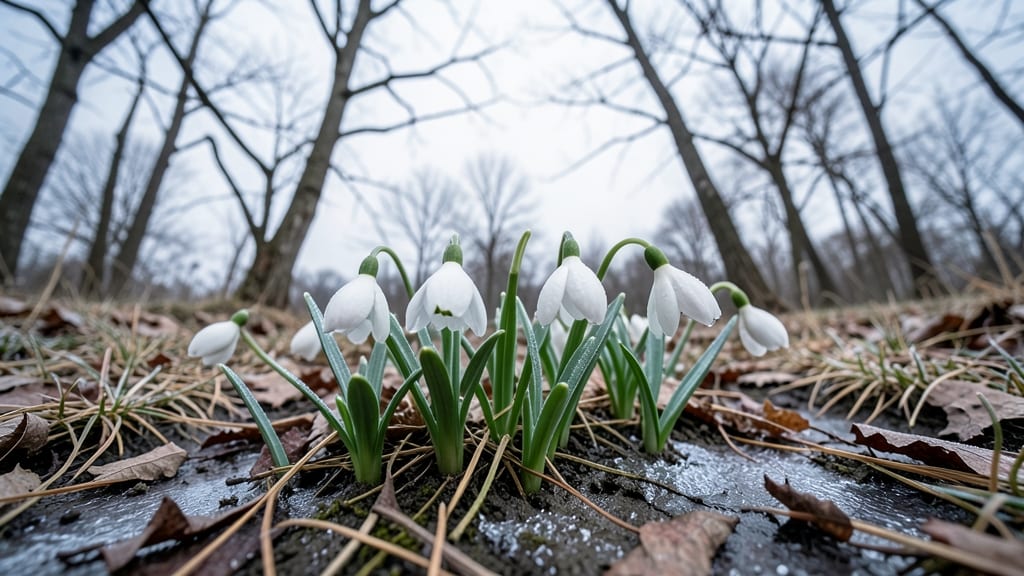
When winter still clings to your garden and most plants remain dormant, snowdrops break through the soil like tiny messengers of spring. These delicate white blooms emerge as early as December in mild climates, offering a cheerful contrast to the barren landscape.
Thriving in deep shade where other bulbs struggle, snowdrops naturalize effortlessly, multiplying each year to create lush drifts of flowers. Plant them in well-draining soil under trees or along north-facing foundations, where they'll reward you with decades of color. Their hardiness makes them ideal for beginner gardeners and woodland enthusiasts alike.
Once established, these bulbs require minimal care—just occasional division every 3-4 years to maintain vigor. Perfect for adding early interest to shady corners, snowdrops prove that beauty thrives even in winter's shadow. 🌱
Crocus for Late Winter Color
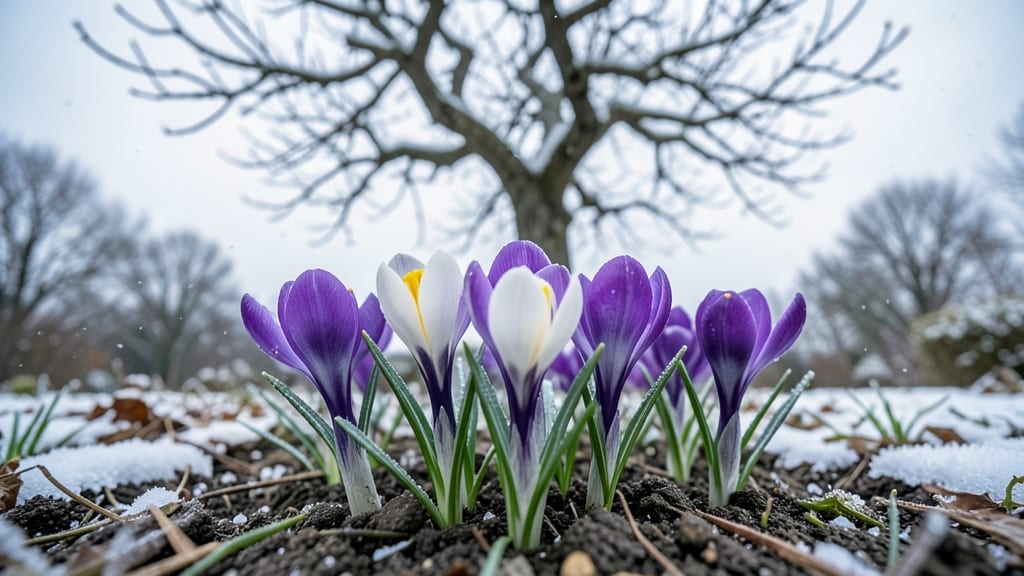
When your garden feels like a winter monochrome, crocus bulbs burst through the gloom with vibrant purple, white, or yellow blooms—often while snow still lingers. These resilient bulbs thrive in full to partial shade and even tolerate light frost, making them perfect for under trees or north-facing beds where other plants struggle.
Plant them in fall (October-November) at 4-6 inches deep in well-drained soil, and they'll reward you with early spring color in just 4-6 weeks. Choose varieties like 'Tommy' (purple) or 'Snow Bunting' (white) for reliable performance. Their cheerful blooms also attract early pollinators, giving your garden a jumpstart.
Urban gardeners and beginners will love how low-maintenance crocus is—just plant once and enjoy decades of color with minimal effort. 🌱
Bleeding Heart Hosta Bulbs
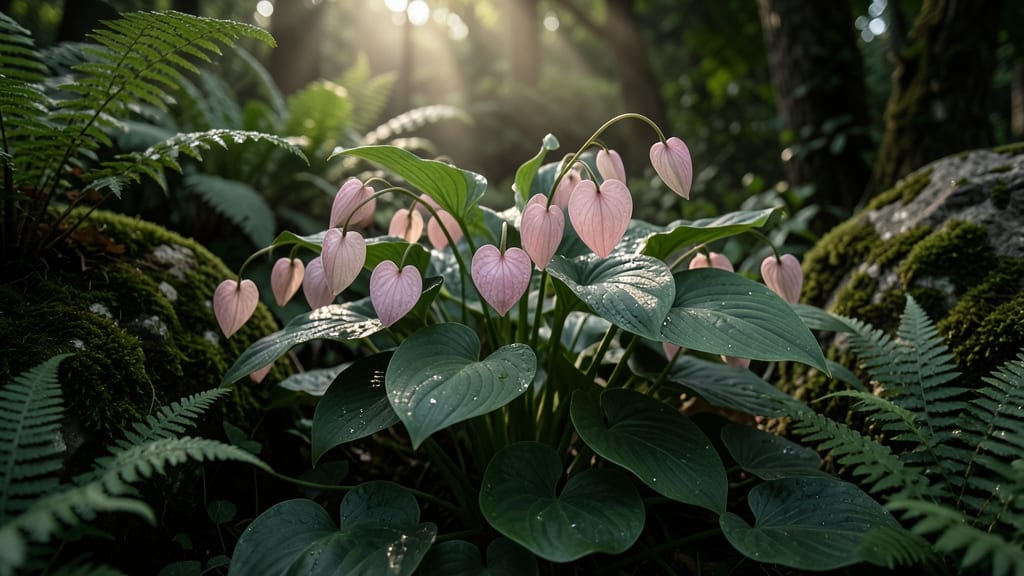
Looking to transform your darkest garden corners into a dreamy, romantic retreat? Bleeding heart hosta isn’t just a bulb—it’s a foliage superstar that thrives in deep shade while delivering delicate pink blooms that arch like fairy curtains. Unlike traditional bulbs, its heart-shaped leaves provide year-round interest, making it a standout for woodland gardens or understory plantings.
This perennial prefers moist, well-draining soil and multiplies over time, creating lush clumps that spread gently. Plant the bulbs in early spring or fall, burying them just below the soil surface. Varieties like 'Pink Frost' or 'Starshine' offer different shades of pink and white, while 'Blue Angel' adds striking variegation. For best results, pair them with ferns or astilbes to enhance their whimsical charm.
Perfect for gardeners who love low-maintenance yet high-impact plants, bleeding heart hosta brings a touch of magic to shady spots where other bulbs struggle. Its arching stems and heart-shaped leaves create a natural focal point that feels both wild and refined. 🌷
Japanese Iris for Moist Shade
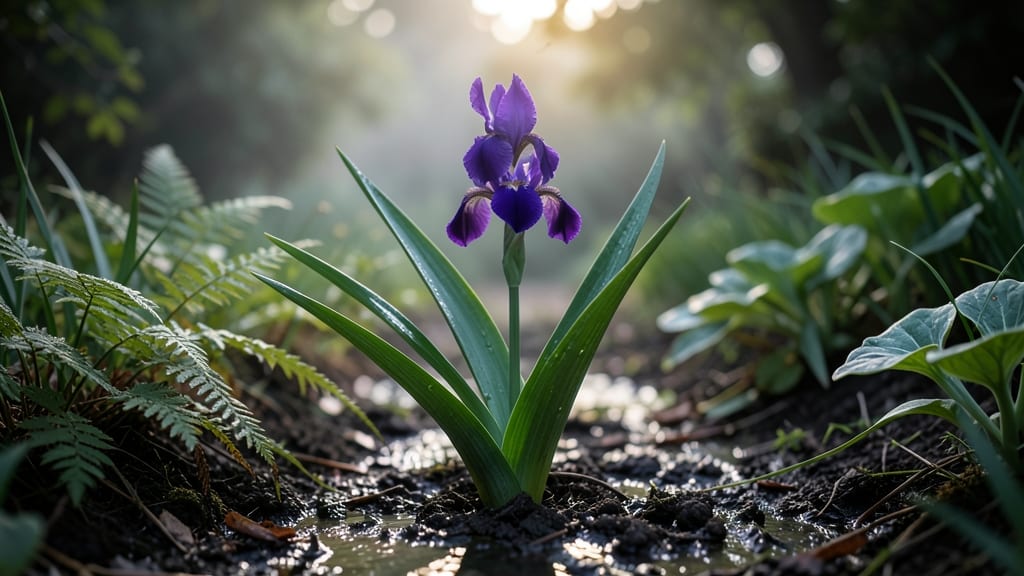
Turn that soggy corner of your garden into a showstopper with Japanese iris—these moisture-loving bulbs thrive where most plants drown. Their sword-shaped leaves create dramatic texture, while clusters of vibrant purple blooms appear reliably in late spring, even in full shade.
Plant these bulbs in consistently damp soil (like rain gardens or pond edges) at least 2 inches deep, spacing them 12-18 inches apart. They prefer rich, slightly acidic soil and will reward you with 3-4 weeks of striking flowers each year. Deadhead spent blooms to encourage more flowers next season.
Perfect for gardeners with wet spots or those creating bog gardens, Japanese iris adds architectural interest without demanding full sun. Their perennial nature means fewer replanting chores too. 💚
Sweet Woodruff for Fragrant Ground Cover
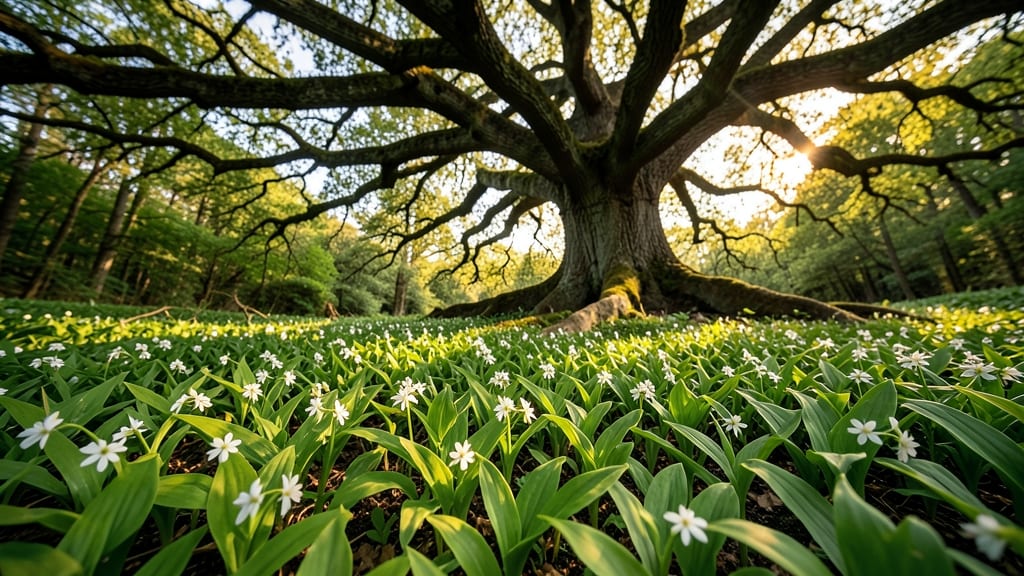
Tired of bare spots under your trees where nothing seems to grow? Sweet woodruff is the secret weapon for transforming those shady corners into a fragrant, flower-filled paradise with almost no effort.
This low-growing perennial spreads aggressively (but not invasively) to form a lush, fragrant carpet of tiny white flowers in spring. It thrives in deep shade where most plants struggle, making it perfect for filling gaps between tree roots or along woodland edges. The foliage stays green all season, and its signature vanilla-cucumber scent intensifies when brushed against—ideal for pathways or seating areas.
Best for beginner gardeners and those with heavy shade, sweet woodruff requires minimal maintenance once established. Just keep it moist in summer and watch it create a living mulch that suppresses weeds naturally. 🌿
Lungwort for Medicinal Beauty
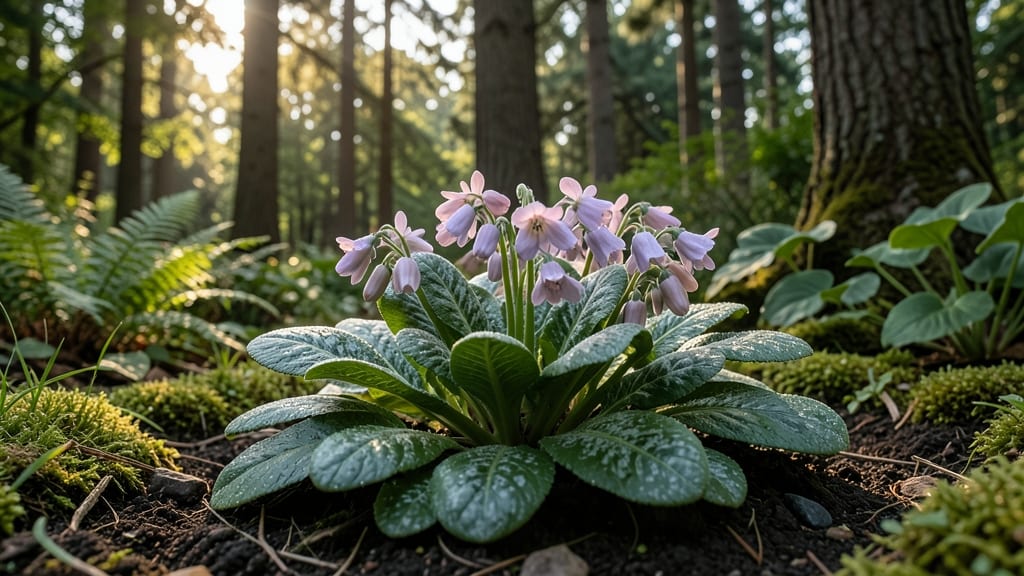
Transform your shady garden corner into a pollinator paradise with lungwort (Pulmonaria), a plant that combines medicinal heritage with stunning visual appeal. This hardy perennial thrives in partial to full shade, making it ideal for woodland gardens or areas under trees where other plants struggle.
The silvery-spotted leaves provide striking texture year-round, while its blue-purple flower clusters bloom in early spring, attracting bees and butterflies. Historically used to treat respiratory ailments (hence its name), lungwort also spreads gently via rhizomes, creating naturalizing patches over time. Plant in well-draining soil with occasional watering—it tolerates drought once established.
Perfect for beginner gardeners or those seeking low-maintenance shade plants, lungwort adds both beauty and ecological value to any garden. 🌿
Toad Lily for Dramatic Height
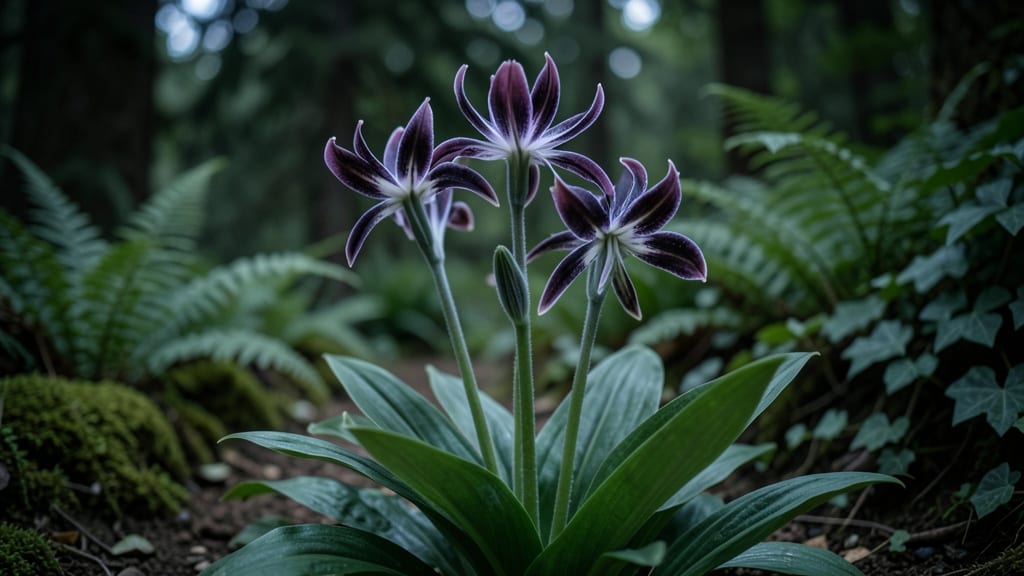
When your garden needs a dramatic vertical statement but sunlight is scarce, toad lilies (Tricyrtis) deliver with their striking, spider-like blooms that reach up to 3 feet tall. These late-summer to early-fall stars thrive in deep shade, making them ideal for woodland gardens, tree bases, or north-facing beds where other bulbs struggle.
Their unique flowers—often purple-black with delicate white edges—create an exotic focal point that hummingbirds and bees adore. Plant the bulbs in well-draining, humus-rich soil in early fall, spacing them 6-12 inches apart and 3 inches deep**. Mulch with leaf litter to mimic their natural woodland habitat and ensure consistent moisture without waterlogging.
Perfect for gardeners who love moody, mysterious plantings, toad lilies offer a rare combination of height, texture, and late-season interest when most shade plants have faded. 🌷
Solomon's Seal for Elegant Arches
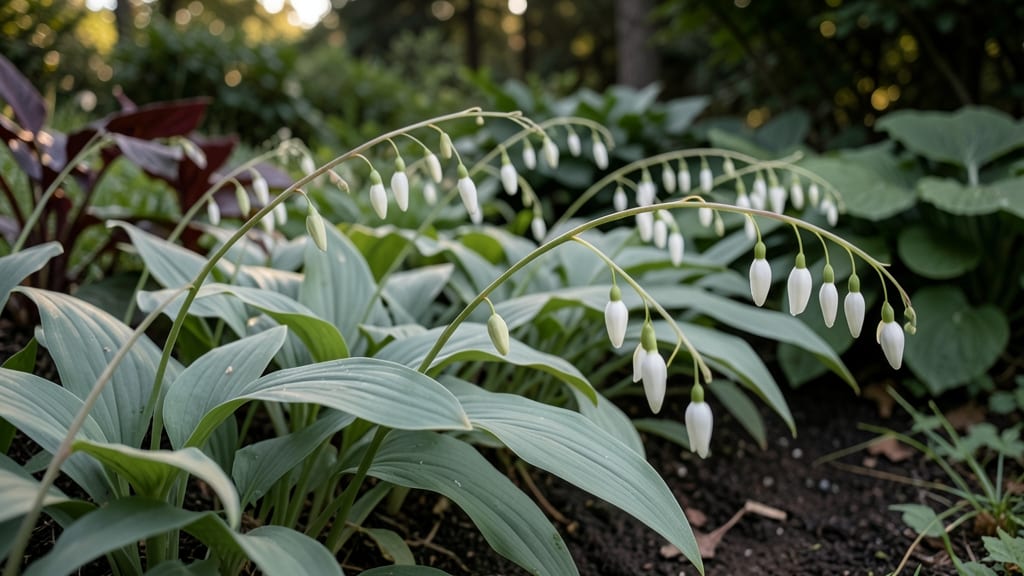
Transform shady garden corners into lush, living screens with Solomon's Seal—a perennial with graceful, arching stems that create natural privacy while adding delicate beauty. This shade-loving plant thrives in partial to full shade, making it perfect for understory planting or north-facing beds where other bulbs struggle.
In late spring, it produces clusters of dangling white flowers that transition into striking red berries in fall, offering year-round interest. Plant bulbs in well-draining soil, spacing them 12-18 inches apart for full coverage. Its low-maintenance nature makes it ideal for busy gardeners or those seeking effortless elegance.
Urban gardeners with small spaces will love how Solomon's Seal fits in containers or along pathways, while woodland gardeners can use it to frame trails or soften tree bases. 🌿
Hellebore for Winter Interest
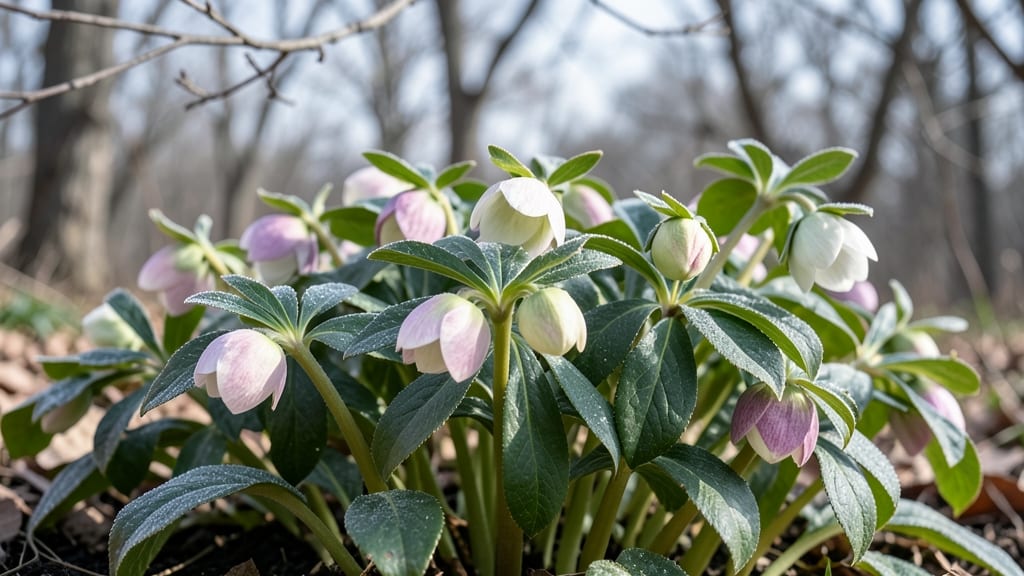
When your garden looks like a blank canvas in winter, hellebores—or Lenten roses—step in as your secret weapon. These hardy perennials bloom from late winter to early spring, defying the cold with their delicate, nodding flowers in shades of white, pink, purple, and green.
Thriving in deep shade where most plants refuse to grow, hellebores need only well-draining soil and occasional watering once established. Their evergreen foliage provides structure year-round, while their flowers attract early pollinators like bees. For best results, plant bulbs in fall at a depth of 2-3 inches, spacing them 12-18 inches apart to create a lush, long-lived display.
Perfect for woodland gardens, urban courtyards, or under trees, hellebores reward patient gardeners with decades of color—no summer maintenance required. 🌷
Fritillaria for Unique Checkered Patterns

Want to transform your shady garden into a whimsical woodland wonderland? Fritillaria bulbs bring a magical touch with their checkered bell-shaped flowers that look like tiny stained-glass windows. These bulbs thrive in partial shade, making them perfect for areas where other plants struggle to bloom.
Plant Fritillaria imperialis (Crown Imperial) or Fritillaria meleagris (Snake's Head) in well-draining soil during fall for spring blooms. Their distinctive patterns—ranging from purple-and-white to deep maroon—create visual intrigue that no solid-colored flower can match. They pair beautifully with ferns and hostas while attracting hummingbirds to your garden.
Ideal for woodland gardeners or those seeking conversation-starting plants, Fritillaria offers a rare blend of uniqueness and low-maintenance charm. 💚