
How To
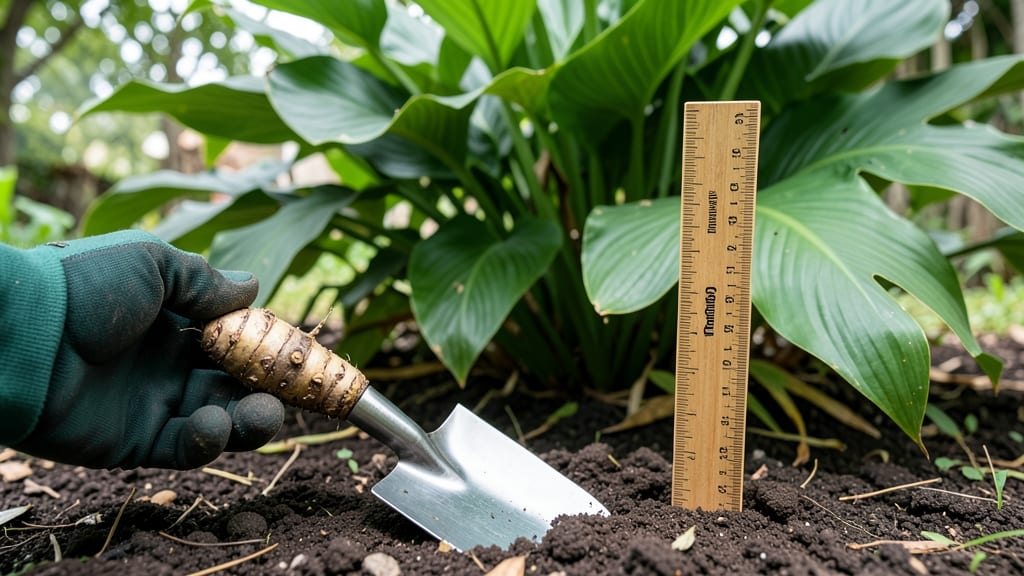
Planting canna bulbs 2-4 inches deep is the key to unlocking those stunning 🌺 blooms you’ve been dreaming of.
Struggling to get your canna lilies to thrive? The secret often lies in how deep you plant those bulbs—and getting it wrong can mean fewer blooms or even failed growth.
Too shallow, and the bulbs dry out or bake in the sun. Too deep, and they rot before they ever sprout. The right depth ensures strong roots, better stability, and those vibrant summer flowers you’re after.
In this guide, I’ll walk you through the perfect planting depth for your zone, soil prep tips, and how to avoid common mistakes that kill cannas before they even bloom.


Optimal canna bulb planting depth by climate zone
Getting the planting depth right for your canna lilies can make the difference between a stunning summer display and disappointing growth. Since cannas thrive in diverse climates, their ideal planting depth varies based on your USDA zone, soil temperature, and seasonal conditions.
Let’s dive into the science-backed approach to ensure your cannas develop strong roots and vibrant blooms every year.
Canna bulbs (technically rhizomes) need to be planted at a depth that balances root development and temperature regulation. Planting too shallow can expose them to temperature fluctuations, while burying them too deep may suffocate their growth.
The general rule is to plant canna rhizomes 2-4 inches deep, but climate adjustments are key for success in your specific region.
| Climate Zone | Ideal Planting Depth | Soil Temperature | Seasonal Adjustments |
|---|---|---|---|
| Tropical (Zones 10-12) | 1-2 inches deep | 65°F+ year-round | Plant year-round; mulch heavily |
| Temperate (Zones 7-9) | 2-3 inches deep | 55°F-75°F | Plant after last frost; mulch in fall |
| Cold-Hardy (Zones 4-6) | 3-4 inches deep | 50°F+ for sprouting | Plant in late spring; dig up before frost |
In tropical zones (10-12), where soil temperatures stay consistently warm, canna rhizomes should be planted shallowly (1-2 inches). This allows them to take advantage of the warm soil without risking rot from excess moisture.
In these regions, cannas can often grow year-round with proper mulching to retain moisture and regulate temperature.
For temperate zones (7-9), the sweet spot is 2-3 inches deep. This depth ensures the rhizomes stay protected from late spring frosts while still allowing roots to access the warmth needed for growth.
In these zones, soil temperatures typically range from 55°F to 75°F, making this depth ideal for consistent root development.
In cold-hardy zones (4-6), where winters are harsh, planting 3-4 inches deep provides the extra insulation needed to protect rhizomes from freezing. These zones require careful timing—plant after the last frost when soil temperatures consistently reach 50°F or higher.
In fall, cannas should be dug up and stored indoors to prevent winter damage.
Soil temperature plays a critical role in canna growth. Rhizomes won’t sprout until the soil reaches 50°F or warmer. Use a soil thermometer to monitor temperatures, especially in cooler climates. If planting early in spring, consider using black plastic mulch to warm the soil faster and encourage faster germination.
Seasonal adjustments are just as important as depth. In temperate and cold zones, apply a 2-3 inch layer of mulch after planting to insulate rhizomes and retain moisture.
In tropical zones, mulch helps prevent soil from drying out too quickly. Always remove old mulch in spring to avoid smothering new growth.
Another pro tip: Plant canna rhizomes horizontally rather than vertically. This encourages multiple shoots to emerge, resulting in bushier plants with more blooms. Place the eyes (growth points) upward and cover them with 1-2 inches of soil, then add additional soil to reach your zone’s ideal depth.
If you’re unsure about your soil’s drainage, conduct a simple test: Dig a hole, fill it with water, and time how long it takes to drain. Canna rhizomes rot quickly in waterlogged soil, so aim for drainage within 2-4 hours.
Amend heavy clay soil with compost or sand to improve aeration and prevent soggy conditions.
Remember, the goal is to balance protection and growth. Too shallow, and your cannas may struggle with temperature swings; too deep, and they’ll suffocate. With the right depth and care, your cannas will reward you with bold foliage and stunning blooms all season long. Happy planting! 🌺
Step-by-step guide to planting canna bulbs for maximum blooms
Planting canna bulbs correctly is the foundation for those stunning, tropical blooms you crave. Too shallow, and your cannas may flop or rot. Too deep, and they’ll struggle to push through the soil.
The ideal planting depth for cannas is 2-3 inches, but let’s break down the full process—from soil to post-planting care—to ensure your cannas thrive all season long.
Before you dig, prepare your planting site with loose, well-draining soil rich in organic matter. Cannas love moisture but hate soggy roots, so amending your soil with compost or perlite is a game-changer.
Choose a spot with 6+ hours of sunlight, as this is non-negotiable for vibrant blooms. If your soil drains poorly, consider raised beds or mounding soil to improve airflow around the roots.
After planting, water deeply to settle the soil and encourage root contact. Morning watering is best—it reduces fungal risks and gives leaves time to dry before evening. For the first few weeks, keep the soil consistently moist but not waterlogged.
Once your cannas reach 6 inches tall, reduce watering slightly to harden off the stems for wind resistance.
To boost blooms, feed your cannas with a balanced fertilizer (10-10-10) every 4-6 weeks during the growing season. Start when new shoots emerge and stop fertilizing once foliage yellows in fall.
Deadhead spent blooms to redirect energy into new growth, and watch your cannas reward you with bold, continuous flowers from summer to frost.
With the right planting depth, spacing, and care, your cannas will grow into striking, long-lived plants that bring drama to any garden. And the best part?
They’re perennial in zones 8-11, so with proper winter protection (like mulching or digging up bulbs), you’ll enjoy them for years to come. 🌺