
Propagation
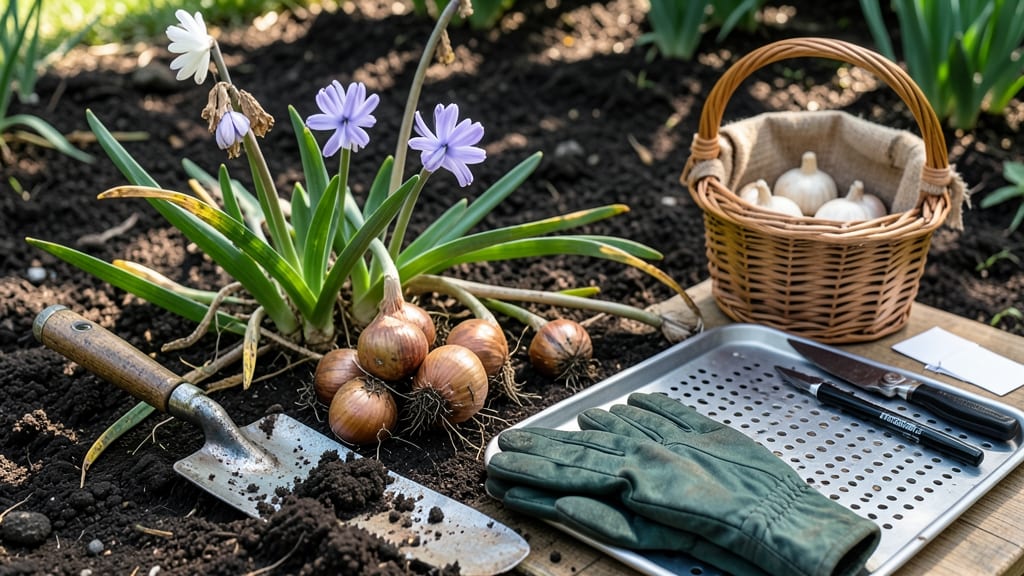
Saving hyacinth bulbs after their spring show is the secret to years of purple, pink, and white blooms. ✨ I’ve dug up more than I’ve kept over the years, but once I cracked the timing and storage, my garden now bursts with color every March without buying new bulbs.
The key? Waiting for foliage to yellow completely before lifting them from the ground.
You’ll need a fork or trowel, a bucket of sand or peat moss, and a cool, dark spot for storage. After digging, let bulbs dry in a shady area for a week—this prevents rot.
Store them in a breathable container with slightly damp sand, checking occasionally for soft spots or mold. Most bulbs last 3-5 years if stored properly, but some varieties surprise you by flowering again after just one season.
What you’ll end up with is a stash of bulbs ready to replant in fall, promising another round of fragrant blooms. The first year after storage might be smaller, but patience pays off—your garden will thank you with bold, healthy growth and fewer gaps in your spring display.
The trick is consistency: don’t rush the drying process or store them too damp.
Works for all hyacinth varieties, even the rare ones you can’t find at garden centers. Here’s how to avoid the most common mistakes—like digging too soon or storing in plastic—that turn bulbs into mush. Let’s get those blooms back next spring!
📚 In This Guide
- What you need
- Instructions
- Tips and common mistakes
- Wrapping up and next steps
What you need
- ● Garden gloves – 1 pair (to protect your hands from dirt and sharp tools).
- ● Hand trowel or garden fork – 1 (for gently lifting bulbs without damaging them).
- ● Newspaper or dry peat moss – Enough to line a storage container (about 2–3 inches deep).
- ● Perforated plastic bag or mesh bag – 1 (for each bulb or a shared bag for multiple bulbs).
- ● Sharp knife or pruners – 1 (to trim foliage and roots).
- ● Labeling tags & marker – 1 set (to track bulb varieties).
- ● Cool, dry storage space – A basement, garage, or shed (ideally 40–50°F).
- ● Disinfectant spray – 1 bottle (to sterilize tools and prevent rot).
- ● Bulb fertilizer – Small amount (for replanting next season).
- ● Humidity tray with pebbles – 1 (to maintain moisture levels during storage).
- ● Digital scale – 1 (to check bulb weight—healthy bulbs should feel firm!).
Step-by-step instructions for saving hyacinth bulbs
Here’s the simple method I’ve used for years to rescue and replant hyacinth bulbs—no fancy tools, just patience.
🌱 Step 1: Wait Until Foliage Fully Dies Back
Don’t dig too soon—wait until the leaves turn completely brown and crispy. This ensures the bulb has stored enough energy for next year’s blooms. I usually mark the spot with a flag when the flowers fade, so I remember where to look later. If you dig too early, the bulb won’t be fully nourished.
Gently loosen the soil around the base with a fork or trowel, working in a circle about 6 inches from the bulb. This prevents damaging the bulb itself while freeing it from the surrounding dirt. You’ll know it’s ready when the bulb pops out easily with just a little wiggle.
🪴 Step 2: Brush Off Soil and Inspect for Damage
Rinse off any clinging dirt with a gentle stream of water, but don’t soak the bulb. Let it dry in a shady spot for 24 hours—this helps prevent rot during storage. While drying, check for soft spots or mold, which means the bulb might not survive. Healthy bulbs feel firm and papery.
Trim any remaining dead roots with clean scissors, leaving about ½ inch of stub. This keeps the bulb tidy and reduces moisture loss. Store the bulbs in a breathable container like a mesh bag or open cardboard box—plastic traps too much humidity and can cause rot.
⏰ Step 3: Store in a Cool, Dry Place
Place the bulbs in a spot with temperatures between 50-60°F and low humidity. A garage, basement, or even a cool attic works—just avoid refrigerators or freezers, which can cause uneven thawing. I like to label the box with the variety and date to keep track of aging bulbs.
Check on them once a month to ensure no mold or softness has developed. If you notice any bulbs shrinking or drying out too much, move them to a slightly more humid area. After 8-10 weeks, they’ll be ready to replant—just don’t rush it!
🌿 Step 4: Replant at the Right Time
Wait until late summer or early fall (about 6-8 weeks before your first frost) to replant. Hyacinths need cold exposure to bloom properly, so planting too early can delay or prevent flowers. Dig a hole 3-4 inches deep—deeper than the bulb’s height—and mix in a little compost for nutrients.
Space bulbs 4-6 inches apart in well-draining soil. Water lightly after planting, but avoid overwatering—they’ll need time to establish roots before winter. Mulch lightly with straw to protect the soil and retain moisture without suffocating the bulb.
Tips & tricks for perfect hyacinth bulb preservation
These simple tricks will help you save your hyacinth bulbs for next year's beautiful blooms without any stress.
Timing Secret: The 24-hour drying period after rinsing is crucial—don't skip it! I've learned this the hard way after storing damp bulbs that developed mold within days. Place them on a wire rack in a shaded spot to ensure proper airflow. This step prevents the most common storage failure I see in gardeners.
Storage Wisdom: For the 50-60°F storage temperature, think of your coolest indoor spaces. A basement corner or unheated garage works perfectly, but avoid areas with temperature swings. I've had success using old shoeboxes with ventilation holes punched in the sides—just don't use plastic containers that trap moisture. The key is maintaining that consistent cool temperature without letting humidity build up.
Replanting Reminder: When checking the 6-8 week mark before frost, consult your local weather service for first frost dates. I always mark my calendar with this date and set reminders. The bulbs need that cold period to bloom properly, so don't rush planting. You can actually plant them earlier if you're in a warmer climate, but they won't bloom until they've experienced winter temperatures.
Pro Tips for Save Hyacinth Bulbs
- These simple tricks will help you save your hyacinth bulbs for next year's beautiful blooms without any stress.
- Timing Secret: The 24-hour drying period after rinsing is crucial—don't skip it!
- Storage Wisdom: For the 50-60°F storage temperature, think of your coolest indoor spaces.
Frequently asked questions
Got questions about saving hyacinth bulbs? You’re not alone!
Here are answers to the most common concerns—from timing to troubleshooting—so you can keep your blooms thriving year after year.
When is the best time to dig up hyacinth bulbs?
Dig them up after the foliage turns yellow and brown—about 6–8 weeks post-bloom. This ensures the bulb stores energy for next season. Avoid digging too early (before foliage dies back) or too late (after frost), as both can weaken the bulb. Pro tip: Mark your calendar 6 weeks after flowering for a foolproof reminder!
How long can I store hyacinth bulbs before replanting?
Store bulbs in a cool, dry place (like a mesh bag in your garage or basement) for up to 8 months. Check them monthly for softness or mold—discard any that look mushy. Replant in fall (4–6 weeks before frost) for best results. Warning: Don’t refrigerate; hyacinths hate humidity!
Can I save hyacinth bulbs in containers instead of the ground?
Plant bulbs in pots with drainage holes, use well-draining soil, and place them in a sunny spot. After blooming, let the foliage die back naturally, then store the entire pot in a cool, dark place (like a basement) until replanting. Just water sparingly during storage to prevent rot. Bonus: Container-grown bulbs are easier to move if pests or weather threaten!
What do I do if my hyacinth bulbs get moldy or rot during storage?
First, act fast—remove any moldy or soft bulbs immediately to prevent spread. Brush off excess dirt, then dust with fungicide (like sulfur powder) or a mix of 1 part cinnamon to 10 parts flour for a natural fix. Store the healthy bulbs separately in a dry, airy container. Prevention tip: Avoid storing bulbs in plastic bags—they trap moisture!
Will hyacinth bulbs bloom as well the second year if saved properly?
Yes! With proper care, saved bulbs should rebloom just as vibrantly—sometimes even better! Older bulbs often produce more flowers per stem. To encourage strong regrowth, fertilize lightly when replanting and ensure they get full sun. Fun fact: Some gardeners report bulbs lasting 5+ years with consistent care!
Wrapping up and next steps
Saving hyacinth bulbs is easier than you think—and with these steps, you’ll enjoy vibrant blooms year after year. 🌸 Remember to dig, dry, and store them properly, and soon you’ll have a garden full of surprises waiting to bloom again!
Ready to take the next step? Plant your stored bulbs in fall for a stunning spring display—your future garden will thank you!