
Planting
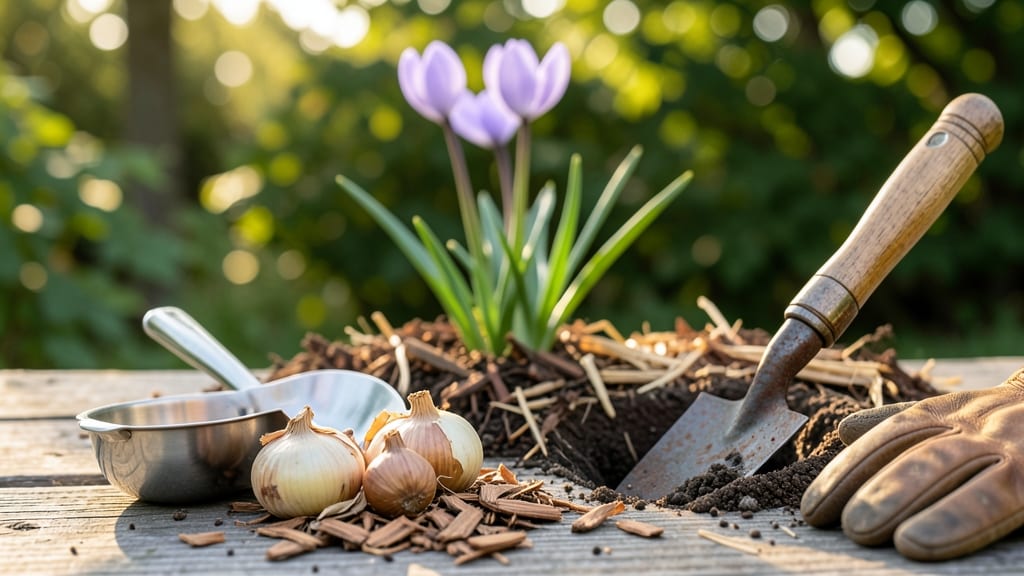
Planting autumn crocus bulbs in frost-free soil by late September unlocks a secret: those delicate purple blooms will greet you in early spring before most gardens even wake up. 🌱 I’ve planted mine for years, and the key isn’t just timing—it’s understanding these bulbs thrive in conditions that would kill spring varieties.
They want cool soil and a winter nap, not the warmth that makes tulips and daffodils pop early.
The magic happens when you plant them shallow—just 2-3 inches deep—in well-draining soil with a sprinkle of bone meal for extra strength. Unlike spring bulbs, autumn crocuses don’t need rich compost; they prefer lean, gritty soil that mimics their native rocky hillsides.
A sunny spot with afternoon shade works best, and they’ll even naturalize over time, spreading like a secret carpet of color.
By late October, you’ll see the first shoots pushing through, but don’t panic if they look sparse—these bulbs store energy for next year’s show. The real payoff comes in March or April, when clusters of star-shaped blooms rise before the snow melts.
They’re hardier than they look, too: deer and squirrels usually leave them alone, and they bounce back after frost.
Here’s the trick most gardeners miss: don’t fertilize after planting. Autumn crocuses resent spring feedings, which can make them flop or produce fewer blooms. Instead, mulch lightly with straw to protect them from harsh freezes, and resist the urge to fuss—they’ll thank you with years of effortless blooms.
Ready to try it?
📚 In This Guide
- What you need
- Instructions
- Tips and common mistakes
- Wrapping up and next steps
What you need
- ● Autumn crocus bulbs: 10–20 bulbs (depending on desired coverage; choose Colchicum autumnale or Crocus speciosus for best results).
- ● Garden trowel: A 4–6-inch sharp-edged trowel for digging precise holes.
- ○ Garden fork or bulb planter: Optional but helpful for breaking up compacted soil.
- ● Well-draining soil: Mix 1 part compost with 2 parts native soil (or use a bulb-specific potting mix if container-gardening).
- ● Organic mulch: 1–2 inches of shredded bark, straw, or leaves to retain moisture and insulate roots.
- ● Watering can or hose: With a gentle spray nozzle to avoid displacing bulbs.
- ● Bulb fertilizer: A low-nitrogen, high-phosphorus formula (e.g., 5-10-10) to encourage root growth.
- ● Soil pH tester: Autumn crocuses prefer slightly acidic to neutral soil (pH 6.0–7.0).
- ● Garden twine or stakes: For marking planting spots if working in a large area.
- ● Gloves: To protect hands from sharp soil or bulb debris.
- ● Container or raised bed: If your soil drains poorly or you’re in a high-rainfall zone.
Step-by-Step instructions for planting autumn crocus bulbs
Here's how I get vibrant spring blooms every year—timing and soil prep are everything.
🌱 Step 1: Choose the Right Location and Timing
Autumn crocus bulbs need full sun to partial shade and well-draining soil to thrive. I always plant mine in late summer or early fall, about 6-8 weeks before your first frost date. This gives roots time to establish before winter dormancy. Choose a spot where spring blooms won’t be shaded by taller perennials—crocus leaves are delicate and need light to photosynthesize.
If your soil drains poorly, amend it with 2-3 inches of compost mixed into the top 6 inches of soil. Heavy clay compacted around bulbs causes rot, and you’ll lose them before spring. Test drainage by digging a 6-inch hole, filling it with water, and watching how quickly it drains. If it takes longer than 30 minutes, add more organic matter.
🪴 Step 2: Prepare the Soil and Plant the Bulbs
Dig holes 3 inches deep—autumn crocus bulbs are small and don’t need deep planting. Space them 3-4 inches apart in rows 6 inches apart for a natural, meadow-like look. I like to plant in clusters of 5-7 bulbs for a bold spring display. Gently loosen the soil at the bottom of each hole with your fingers to encourage root growth.
Place each bulb pointy end up (the sides should face outward). If you’re unsure, the wider, flatter side is the bottom. Cover lightly with soil, leaving no gaps—this prevents moisture loss and keeps bulbs snug. Water deeply right after planting to settle the soil and eliminate air pockets around the bulbs.
☀️ Step 3: Mulch and Protect for Winter
Spread a 2-inch layer of mulch over the planting area using straw or shredded leaves (avoid thick layers—too much moisture smothers bulbs). This insulates the soil and protects against freeze-thaw cycles, which can heave bulbs out of the ground. In colder climates, I add an extra 1-inch layer of mulch after the first hard frost for extra protection.
Don’t water again until early spring when you see green shoots pushing through the soil. Overwatering in winter leads to rot, and autumn crocus bulbs are sensitive to soggy conditions. If your winter is particularly dry, a light watering in late winter (just before blooming) helps, but most bulbs store enough moisture to survive.
⏰ Step 4: Wait for Spring Blooms and Post-Bloom Care
Watch for tiny green leaves in late winter or early spring—this is your cue that the bulbs are waking up. Once blooms appear (usually 3-4 weeks after leaves emerge), enjoy the show but resist the urge to cut flowers. The energy stored in the blooms helps the bulb prepare for next year. Let them fade naturally on the stems.
After blooming, leave the foliage alone until it turns yellow-brown and flops over—this is how the bulb recharges for next season. Only then can you trim the dead leaves at the base. If you cut them too soon, the bulb won’t store enough energy to bloom again. I mark my planting spots with small flags so I don’t accidentally dig them up when tidying the garden.
Tips & tricks for perfect autumn crocus planting
These simple strategies will help you avoid common mistakes and ensure your autumn crocus bulbs thrive year after year.
Timing is Everything: That 6-8 week window before your first frost is critical—don't rush! Use your local frost date as your starting point, then work backward. I check my local weather service and mark the calendar with a reminder. Planting too early means bulbs may sprout before winter, while planting too late leaves them vulnerable to frost damage. If you're unsure about your frost date, err on the earlier side of the window.
Soil Test Matters: Before amending, test your soil's drainage using the 6-inch hole method mentioned in Step 1. If water drains in less than 30 minutes, your soil is fine. If it takes longer, you'll need to add more organic matter. I like to mix in a 50/50 blend of compost and coarse sand for the best results. This creates the perfect balance of drainage and moisture retention that autumn crocus bulbs crave.
Planting Clusters Pays Off: Those clusters of 5-7 bulbs in Step 2 create a stunning visual impact when they bloom. Think of them as your spring garden's opening act—they'll pop up first and provide early color. For maximum effect, plant clusters along paths or near entry points where you'll see them first. I also like to plant a few extra bulbs in pots so I can move them to sunny spots if needed next year.
Winter Protection Hack: In areas with extreme freeze-thaw cycles, I add a thin layer of burlap over the mulch for extra insulation. This prevents the soil from expanding and contracting, which can push bulbs out of the ground. Just remember to remove it in early spring before the shoots appear. Another trick: if you're in a very cold climate, consider planting bulbs in containers that you can move to a protected location during winter.
Pro Tips for Planting Autumn Crocus Bulbs
- These simple strategies will help you avoid common mistakes and ensure your autumn crocus bulbs thrive year after year.
- Timing is Everything: That 6-8 week window before your first frost is critical—don't rush!
- Soil Test Matters: Before amending, test your soil's drainage using the 6-inch hole method mentioned in Step 1.
Frequently asked questions
Got questions about planting autumn crocus bulbs? You’re not alone! Here are some of the most common concerns—and their straightforward answers—to help you get started with confidence.
When is the best time to plant autumn crocus bulbs?
Plant them as soon as soil temperatures drop below 60°F (15°C), typically in late September to early November. This timing ensures bulbs establish roots before winter dormancy. If you miss the window, wait until early spring—but expect fewer blooms that year. Pro tip: Use a soil thermometer to check!
Can I plant autumn crocus bulbs in cold or frozen ground?
No—planting in frozen soil is a no-go! Wait until the ground is workable but still cool (around 50–60°F or 10–15°C). If your climate freezes early, plant in containers and move them outdoors later. Bulbs are hardy but need moist, unfrozen soil to root properly.
How deep and far apart should I plant them?
Dig holes 3 times deeper than the bulb’s height (usually 3–4 inches deep) and space them 3–4 inches apart. For clusters, plant 6–8 bulbs together for a dramatic spring display. Use a small trowel for precision—autumn crocus bulbs are tiny but mighty!
Why aren’t my autumn crocus bulbs blooming?
Common culprits: planting too late (missed dormancy), shallow planting, or rich soil (bulbs need lean conditions). Ensure they get full sun to partial shade and avoid over-fertilizing. If bulbs sprout but no flowers appear, they may need another year to mature.
Are autumn crocus bulbs toxic to pets or kids?
Yes! Autumn crocus (Colchicum autumnale) contains colchicine, a toxic compound. Keep them out of reach of pets and children. Symptoms of ingestion include vomiting, diarrhea, or lethargy. Opt for spring crocus (Crocus vernus) if safety is a concern—it’s non-toxic!
Wrapping up and next steps
Planting autumn crocus bulbs is your secret to early spring color—simple, rewarding, and perfect for gardeners who love a head start! 🌱 With just a few steps—choosing the right bulbs, timing your planting, and giving them the ideal frost-friendly conditions—you’ll enjoy vibrant blooms before most flowers even think about waking up. Don’t wait for spring to brighten your garden; start now!
Ready to transform your yard? Grab those bulbs, mark your calendar for late fall, and get digging! Your future spring garden will thank you—and so will your neighbors when they see those cheerful blooms first. 🌸