
Vegetables
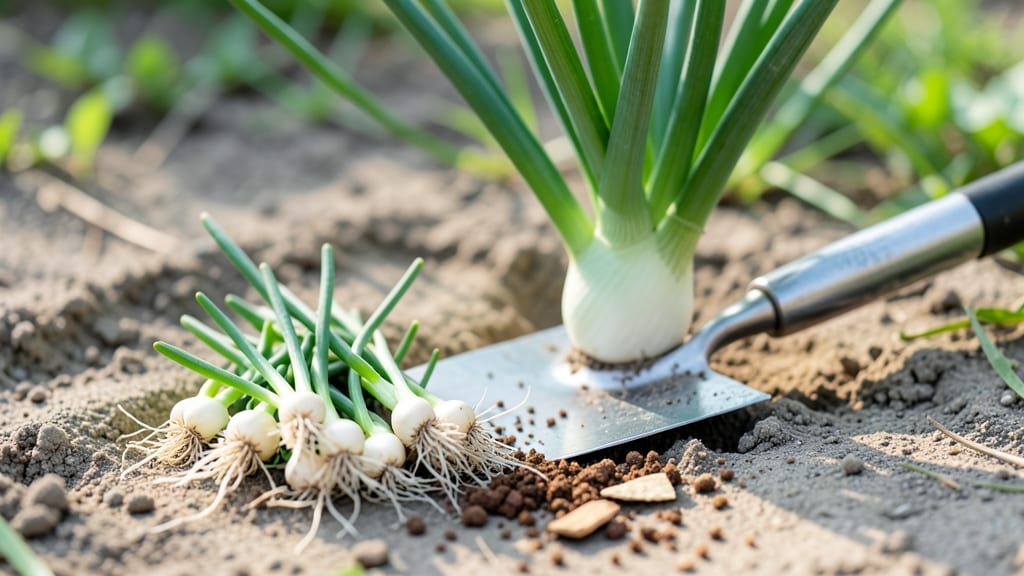
Green onion bulbs let you harvest fresh scallions all year with almost no effort—just plant, water, and snip. 🌱 I’ve grown them in containers on my balcony and in-ground beds, and they’re the easiest crop I’ve ever tried.
The secret? They regrow from the same bulb for months, so you’ll never buy scallions again.
You’ll need well-draining soil, a sunny spot (at least 4–6 hours of light daily), and bulbs from the grocery store. Plant them 1 inch deep, spacing them 2–3 inches apart in rows.
Containers work great—just use a pot with drainage holes and fill it with potting mix. Water lightly after planting, then keep the soil moist but not soggy.
In 2–3 weeks, you’ll see fresh green onions ready to harvest. Snip what you need, and the bulb keeps growing—no replanting required. They’re pest-resistant, cold-hardy, and even thrive in partial shade. My balcony garden produces more scallions in a season than I could ever buy at the store.
Works in any climate—just adjust planting times for frost. If you’ve ever struggled with wilting store-bought scallions, this is the solution. Let’s get growing!
📚 In This Guide
- What you need
- Instructions
- Tips and common mistakes
- Wrapping up and next steps
What you need
- ● Green onion bulbs (scallions or spring onions): 5–10 bulbs per container or 1 bulb per 6-inch hole in the ground
- ● Choose organic or untreated bulbs for best results
- ○ Containers (optional but ideal for small spaces): 1–2 shallow pots (6+ inches deep) with drainage holes
- ● OR a hanging basket with good airflow
- ● Potting mix: 1 bag of well-draining, organic potting soil (or garden soil if planting outdoors)
- ● Watering can or spray bottle: For gentle, even moisture (avoid soaking)
- ● Trowel or small shovel: For digging holes (if planting in ground)
- ○ Twine or plant ties (optional): To secure bulbs in containers if needed
- ○ Fertilizer (optional): Balanced liquid fertilizer (e.g., 10-10-10) or compost tea for a nutrient boost
- ● Sunlight: 4–6 hours of direct sunlight daily (indoors or outdoors)
- ● Temperature: 50–75°F (10–24°C) (green onions tolerate cool weather)
- ● Space: 6+ inches of depth for roots to grow comfortably
Step-by-step instructions for planting green onion bulbs
Here's the straightforward method I rely on for continuous harvests—no fuss, no waiting.
🌱 Step 1: Prepare the Planting Site
Green onions thrive in well-draining soil with plenty of organic matter. Choose a location that receives at least 4-6 hours of sunlight daily, though they tolerate partial shade. If planting in containers, use a 6-inch deep pot with drainage holes—green onions resent soggy roots.
Loosen the soil to a depth of 6 inches with a garden fork or trowel, breaking up any compacted layers. Work in a handful of compost or well-rotted manure to enrich the soil—this ensures strong, flavorful regrowth. If your soil drains poorly, mix in a 1-inch layer of coarse sand or perlite to improve aeration.
🌱 Step 2: Plant the Bulbs
Green onion bulbs can be planted directly into the soil or containers, with the flat side facing down. Space them 2-3 inches apart in rows 6 inches apart for easy harvesting. Press each bulb lightly into the soil until the top is just below the surface—this prevents them from drying out while allowing quick regrowth.
Water immediately after planting to settle the soil around the bulbs. Keep the soil consistently moist but not waterlogged for the first 7-10 days—this encourages the roots to establish quickly. You'll notice new green shoots emerging within a few days, signaling successful planting.
☀️ Step 3: Maintain for Continuous Growth
Once established, green onions need 1 inch of water per week, either from rainfall or irrigation. Water at the base of the plants to avoid wetting the leaves, which can lead to fungal issues. Mulch around the plants with 1 inch of straw or shredded leaves to retain moisture and suppress weeds—this also keeps the soil temperature stable for consistent growth.
Harvest green onions by cutting the outer leaves 1-2 inches above the bulb when they reach 6-8 inches tall. The regrowth will be ready in 2-3 weeks, allowing you to harvest continuously for months. Avoid pulling the entire plant unless you're ready to replant, as the bulb will regrow from the base.
✂️ Step 4: Overwintering for Year-Round Harvests
In colder climates, protect green onions from frost by covering them with a 4-inch layer of straw or leaves once temperatures drop below 30°F. This insulation keeps the soil warm enough for growth to continue. In containers, move pots to a sheltered location like a garage or under an eave, where temperatures stay above freezing.
In spring, remove the mulch and trim any damaged leaves. Fertilize lightly with a balanced organic fertilizer to encourage new growth. With proper care, your green onion bulbs will produce fresh shoots for 8-12 months, making them one of the most rewarding low-maintenance crops to grow.
Tips & tricks for perfect green onion bulb planting
Here's what I wish I knew before starting my first green onion bulb garden—these small details make all the difference.
Soil Preparation Secret: The key to strong regrowth lies in that initial 6-inch soil loosening. Use a garden fork to break up compacted layers down to that depth—this creates root-friendly pathways for the bulbs. If your soil feels dense, mix in an extra 1/2-inch of perlite beyond the recommended 1-inch layer. I've found that adding a handful of worm castings at this stage gives an extra flavor boost to the regrowth.
Planting Depth Matters: When pressing bulbs into soil, aim for just the top third visible above ground—this balance prevents drying while allowing quick sprouting. In containers, I use a ruler to ensure consistent depth, as uneven planting leads to uneven growth. Pro tip: Tap the soil gently after planting to eliminate air pockets around the bulbs.
Watering Wisdom: That critical 7-10 day moist-but-not-waterlogged window is where most beginners struggle. I set a timer for watering every 3 days during this period, checking soil moisture by pushing a finger 1 inch down—if it feels dry, water lightly. Overwatering here causes bulb rot, while underwatering stunts root development.
Harvesting Technique: For continuous harvests, always cut leaves at the same 1-2 inch height above the bulb. I use kitchen scissors for precision and store cuttings in a jar of water on my counter—this gives me instant green onions while the bulbs keep regenerating. The 2-3 week regrowth window is consistent, but I've found that harvesting every 10 days maximizes yield without stressing the bulbs.
Pro Tips for Planting Green Onion Bulbs
- Here's what I wish I knew before starting my first green onion bulb garden—these small details make all the difference.
- Soil Preparation Secret: The key to strong regrowth lies in that initial 6-inch soil loosening.
- Planting Depth Matters: When pressing bulbs into soil, aim for just the top third visible above ground—this balance prevents drying while allowing quick sprouting.
Frequently asked questions
Got questions about growing green onions from bulbs? You’re not alone!
Here are the most common queries—plus straightforward answers to help you avoid frustration and maximize your harvest.
Can I plant green onion bulbs year-round, or is there a best season?
Green onions are surprisingly versatile! In mild climates (Zones 8-10), you can plant them almost anytime. For cooler zones (Zones 3-7), aim for spring (after last frost) or early fall—they thrive in temperatures between 40°F and 75°F. If you’re in a harsh winter area, start indoors 6-8 weeks before the last frost or use a cold frame. Pro tip: Avoid planting in scorching summer heat—they’ll bolt (go to seed) faster!
How long do green onion bulbs last before they sprout, and what if they rot?
Healthy green onion bulbs typically sprout in 7–14 days if planted in well-draining soil. If they rot, it’s usually due to overwatering or poor drainage. To prevent this:
Yes! Green onions are regenerative superstars. After cutting, leave 1–2 inches of the bulb in the soil—new shoots will sprout in 2–3 weeks. For harvesting:
Green onions are perfect for containers—they’re shallow-rooted and happy in 5–6 inch pots or even recycled containers (like yogurt cups). Just ensure:
Green onions are generally low-maintenance, but keep an eye out for:
If a bulb starts rotting, remove it immediately to stop the spread.
Will green onions grow back after cutting? What’s the best way to harvest?
Bonus: If your greens get leggy, trim them back to encourage bushier growth.
Can I grow green onions in containers or small spaces?
Urban gardeners, rejoice! You can even grow them on a balcony or windowsill.
What pests or diseases should I watch for with green onion bulbs?
Prevention tip: Rotate planting spots yearly to avoid soil-borne issues.
Wrapping up and next steps
Growing green onions from bulbs is a simple, rewarding way to enjoy fresh, homegrown greens year-round with minimal effort! 🌱 Whether you're a beginner or a seasoned gardener, these hardy plants thrive in containers or garden beds, offering quick harvests and continuous regrowth.
Start small, experiment with varieties, and soon you’ll be savoring the satisfaction of a thriving, low-maintenance crop.
Ready to dive in? Grab those bulbs, pick your spot, and get planting! Once your green onions are flourishing, try swapping them into your favorite dishes—salads, stir-fries, or even homemade soups. Happy growing! 🌿