
Flowers
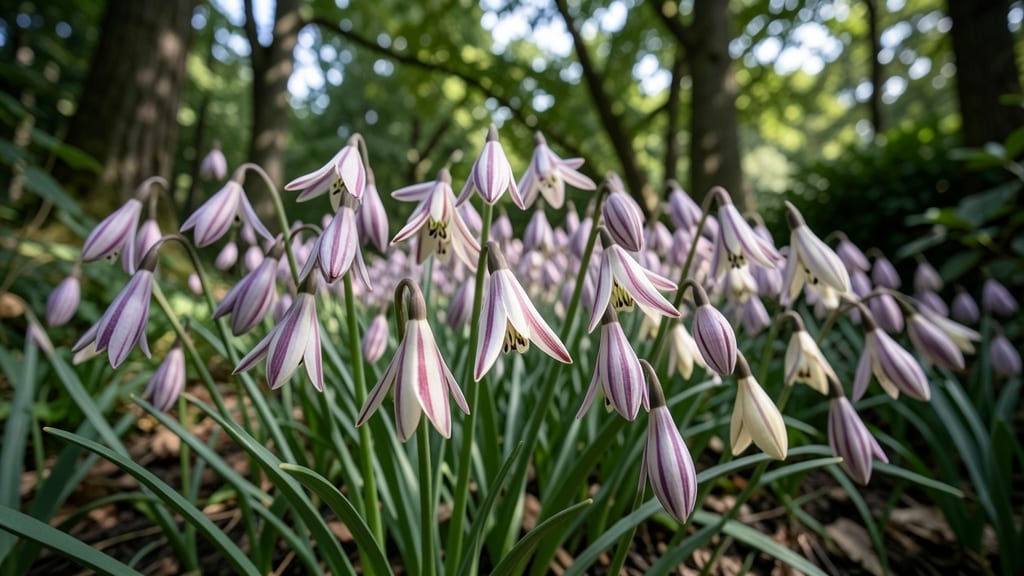
Transform your shade garden into a vibrant year-round display with these 10 popular flower bulbs. Perfect for low-light areas, these hardy varieties bloom in early spring, summer, or even winter, offering effortless beauty with minimal sunlight.
Daffodils for Early Spring Brightness
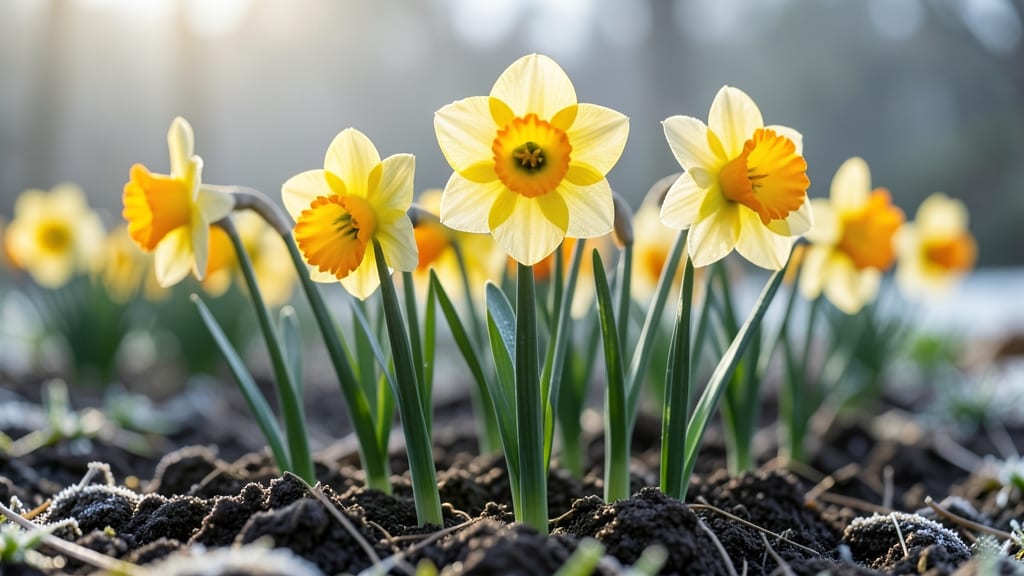
When winter’s chill still lingers, daffodils burst through the soil like cheerful messengers of spring. Their bright blooms—yellows, whites, and oranges—create instant focal points in shade gardens, lifting spirits even in the coldest months.
These cold-hardy bulbs thrive in zones 3-8 and are deer-resistant, making them ideal for problem areas. Plant them in clusters for maximum impact, or force them indoors in late winter for an early spring display. Naturalize them under trees where they’ll spread effortlessly over time.
Perfect for beginners or busy gardeners, daffodils offer low-maintenance beauty with high rewards. Their early blooms also attract pollinators, jumpstarting your garden’s ecosystem. 🌻
Hyacinths with Intoxicating Fragrance
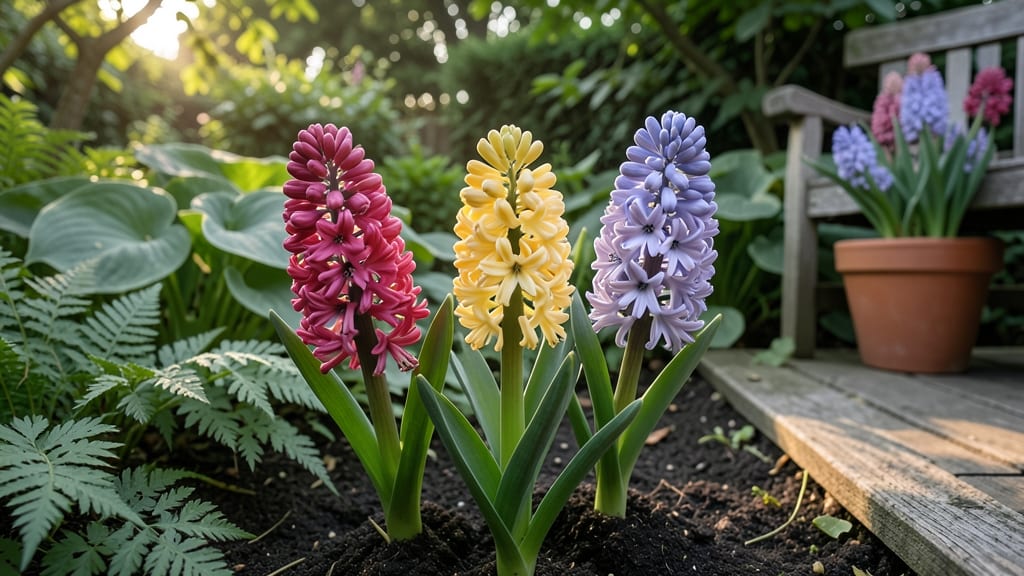
If you crave a garden that smells as good as it looks, hyacinths are your perfect shade-loving ally. Their intoxicating fragrance—ranging from honeyed sweetness to spicy notes—fills the air when planted in partial shade, making them ideal for patios, borders, or containers near seating areas.
These dense, spiky blooms appear in early spring, offering vibrant purples, pinks, and whites that contrast beautifully with hostas or ferns. Plant bulbs 6 inches deep in well-draining soil, and water moderately once blooming starts. For maximum scent impact, choose varieties like 'Woodstock Purple' or 'Annette,' which are known for their strong perfume.
Urban gardeners and small-space planners will love hyacinths—they thrive in containers and even brighten up balconies. Their early bloom time also makes them a great companion to daffodils for a layered spring display. 🌷
Crocus for Winter and Early Spring
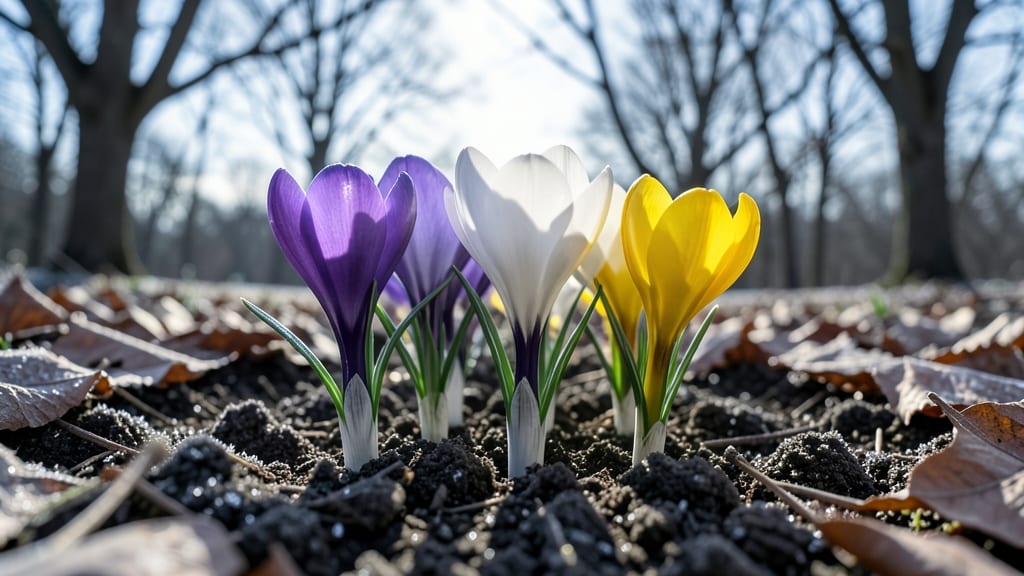
When winter still clings to your garden, crocus bulbs burst through the cold with their cheerful colors. These hardy blooms often emerge as early as February, offering a splash of purple, white, or yellow before most other flowers even think about waking up.
Plant them in well-draining soil with full sun to partial shade, and they’ll reward you with delicate, star-shaped flowers that appear even through light snow. Crocus thrives in rock gardens, borders, or containers, making them perfect for small spaces or urban gardens where winter color is hard to find.
Gardeners in cold climates will love how crocus naturalizes over time, creating a self-sustaining carpet of early spring color. Their early blooms also provide vital nectar for bees emerging from winter dormancy. 🌱
Tulips for Classic Spring Elegance
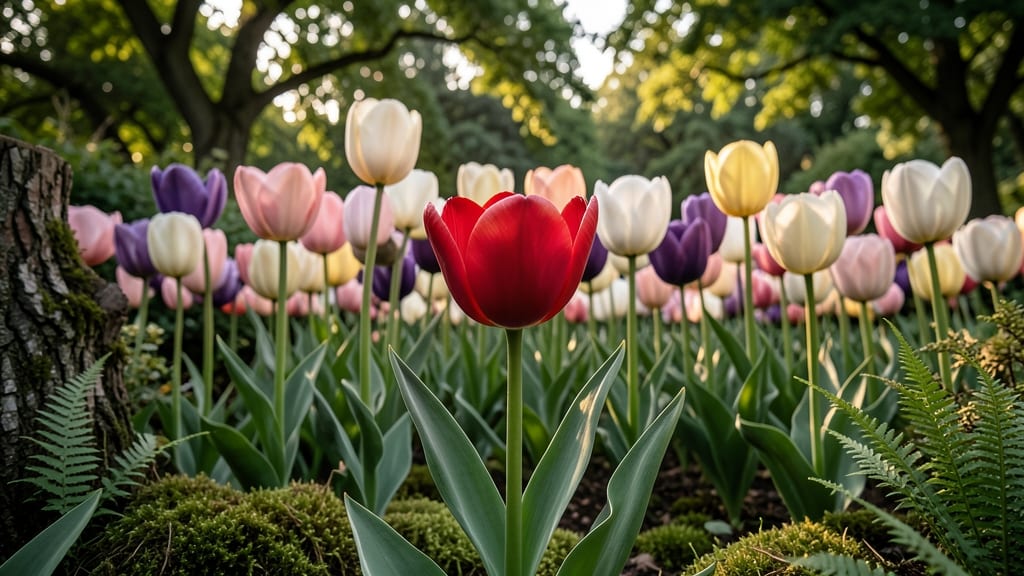
Want to add timeless drama to your shade garden without sacrificing color or structure? Tulips are the answer—these classic blooms thrive in partial shade and come in more varieties than you can imagine, from fiery reds to soft pinks and even deep purples.
For the boldest impact, opt for Darwin hybrid tulips, which boast large, long-lasting blooms that stand up to wind and rain better than standard varieties. Plant them in clusters of 5-7 bulbs for a dramatic, natural look, and pair with low-growing perennials like ajuga or heuchera to frame their height. Their spring blooming season (April-May in most zones) ensures you’ll have fresh color when other shade plants are still waking up.
Perfect for beginners and experienced gardeners alike, tulips bring effortless elegance to any shade garden—whether you’re lining a path, filling a container, or creating a woodland border. 🌷
Alliums for Dramatic Height
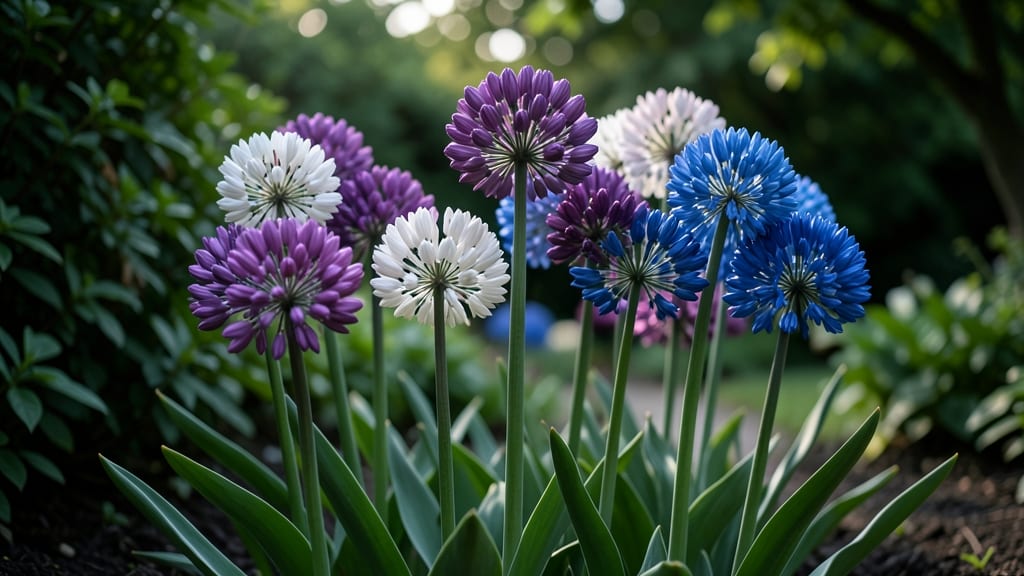
Want to add instant drama to your shade garden without sacrificing sunlight? Alliums are the answer—these architectural blooms reach heights of 2-4 feet while thriving in partial shade, where many other bulbs struggle.
Their globular flower heads in purples, whites, and blues resemble futuristic sculptures, drawing bees and butterflies while providing year-round structure (even after blooms fade, their seed pods add texture). Plant them in clusters near pathways or at the back of borders—their vertical lines create a striking focal point. For best results, place bulbs 6 inches deep in well-draining soil and water sparingly after blooming to encourage next season’s growth.
Perfect for urban gardeners with limited space or those craving low-maintenance height, alliums pair beautifully with hostas and ferns. Their bold forms elevate any shade design with minimal effort. ✨
Snowdrops for Winter Interest
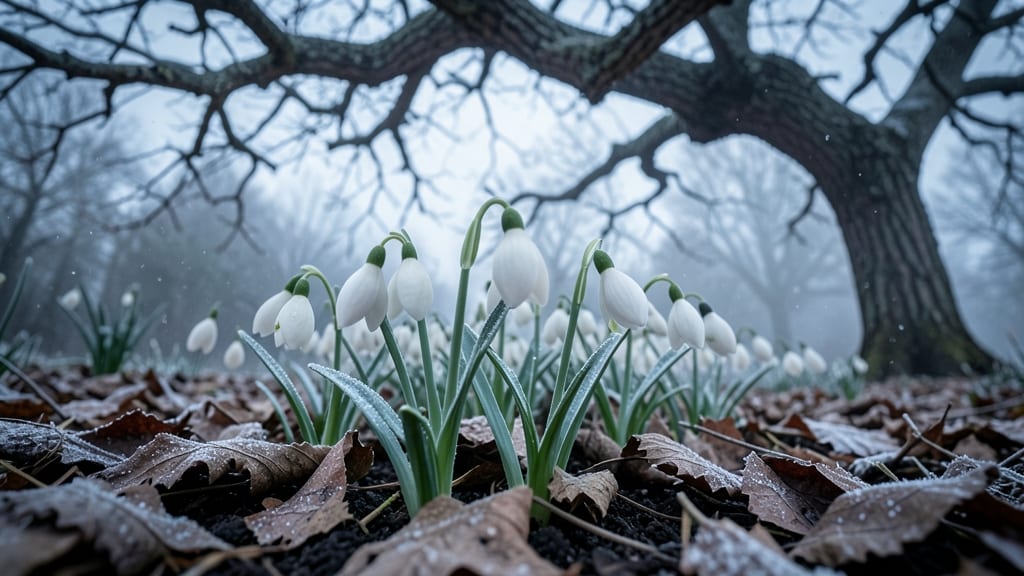
When winter’s chill lingers and other plants remain dormant, snowdrops (Galanthus) defy the cold with their delicate white bells, often blooming even through light snowfall. These early harbingers of spring thrive in deep shade where most bulbs struggle, making them perfect for under trees or along north-facing walls.
Plant snowdrop bulbs just 2–3 inches deep in well-draining soil, and they’ll naturalize over time, creating lush carpets of foliage that protect the bulbs while they recharge. Their minimal care requirements—just occasional division every few years—make them ideal for low-maintenance gardeners who want winter color without fuss. Pair them with heuchera or ferns for a woodland-inspired look.
For gardeners craving year-round interest, snowdrops offer a symbol of resilience that brightens the darkest months. Their subtle elegance transforms even the gloomiest corners into a whisper of spring’s promise. ✨
Bleeding Heart for Late Spring Beauty
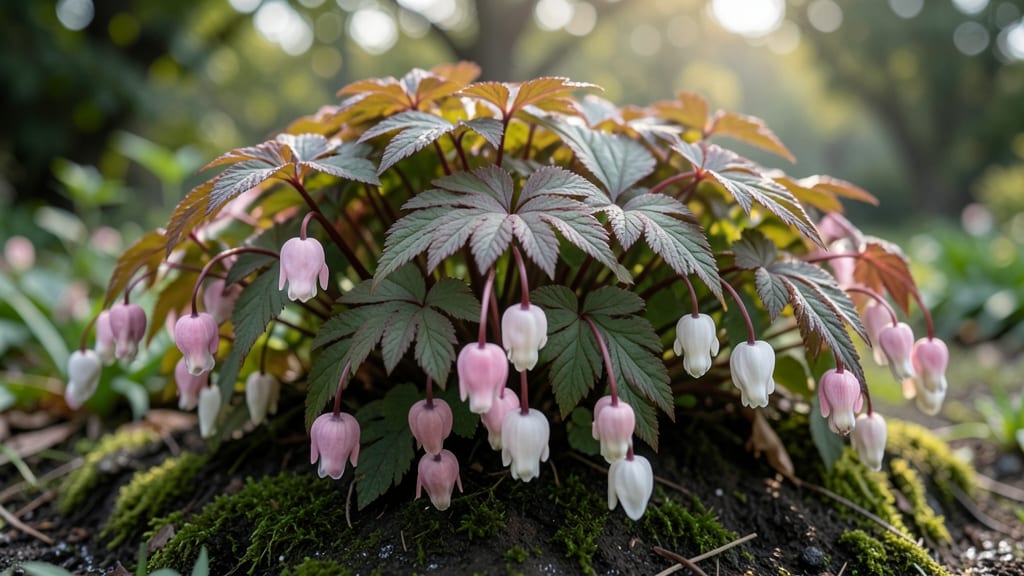
When you crave romantic charm in your shade garden, bleeding hearts (Dicentra spectabilis) deliver with their iconic heart-shaped pink or white flowers that cascade like a waterfall. Unlike many bulbs, this perennial thrives in deep shade and blooms reliably in late spring, filling gaps when other flowers are still dormant.
Plant the tuberous roots 2-3 inches deep in well-draining, humus-rich soil, spacing them 12-18 inches apart. Their ferry-shaped foliage provides year-round interest even after blooms fade, and they self-seed modestly to create natural drifts. For best results, mulch to retain moisture and protect roots in winter.
This is the perfect choice for woodland gardeners, container enthusiasts, or anyone who wants to soften shady corners with delicate, dreamy blooms. 💚
Hosta Flowers for Summer Shade
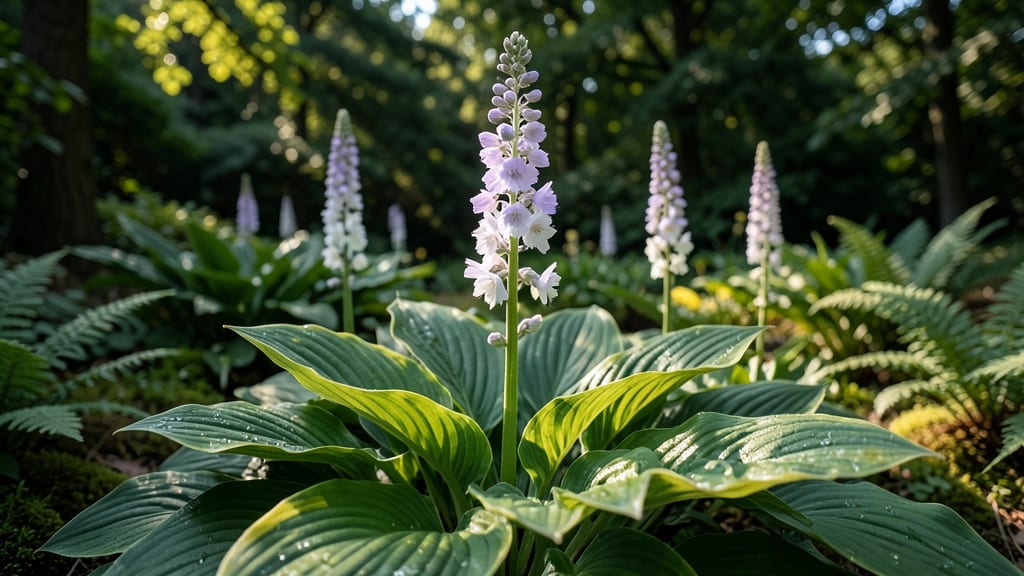
You might know hostas for their stunning foliage, but their summer blooms are a hidden gem in shade gardens. These delicate, lavender or white flowers appear on tall spikes above the lush leaves, adding unexpected vertical interest and a soft contrast to bold green hues.
Hostas thrive in partial to full shade, making them perfect for under trees or along north-facing walls. Their flowers attract pollinators like bees and butterflies, while their broad leaves provide a textured backdrop for other shade-loving plants. Choose varieties like 'Halcyon' or 'Blue Angel' for the most striking blooms, which appear in late summer when many other shade plants have finished flowering.
This makes hostas ideal for gardeners who want low-maintenance beauty with year-round interest**. Their flowers may be subtle, but they’re a charming surprise that extends the season for shade lovers. 🌿
Lily of the Valley for Fragrant Shade
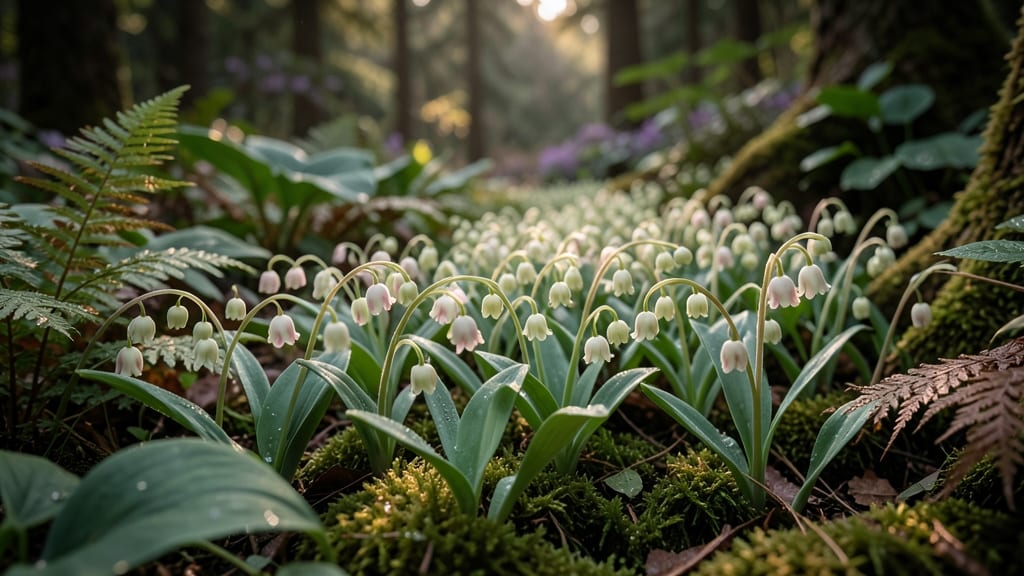
If you crave a fragrant springtime spectacle without the fuss of full sun, lily of the valley is your secret weapon. This woodland native thrives in deep shade, producing cascading clusters of tiny, bell-shaped blooms that perfume the air with a sweet, honey-like scent—often stronger than roses.
Plant the bulbs in well-draining soil under trees or along borders in early fall, where they’ll naturalize over time. The pale green foliage provides year-round interest, while the flowers return reliably each spring with minimal care. Just keep an eye out for hungry deer—they adore this plant!
Perfect for cottage gardens, woodland edges, or understory plantings, lily of the valley adds romantic charm with zero maintenance. 🌷
Fritillaria for Unique Checkered Blooms

Looking for a bulb that turns your shade garden into a living work of art? Fritillaria bulbs deliver that whimsical, almost surreal charm with their checkered or striped bell-shaped blooms—nature's own abstract paintings. These woodland natives thrive where few other bulbs dare to go, flourishing in dappled shade and moist, well-drained soil.
Plant them in late summer or early fall for spring blooms, and choose varieties like Fritillaria meleagris (snake's head fritillary) for its iconic checkerboard pattern or Fritillaria imperialis (crown imperial) for dramatic, crown-like flowers. Their unique foliage adds texture long after blooms fade, making them a low-maintenance conversation starter in any garden.
Perfect for gardeners who love unexpected color patterns and woodland ambiance, fritillarias bring a touch of magic to shade gardens that other bulbs simply can't match. 🌟