
Plants
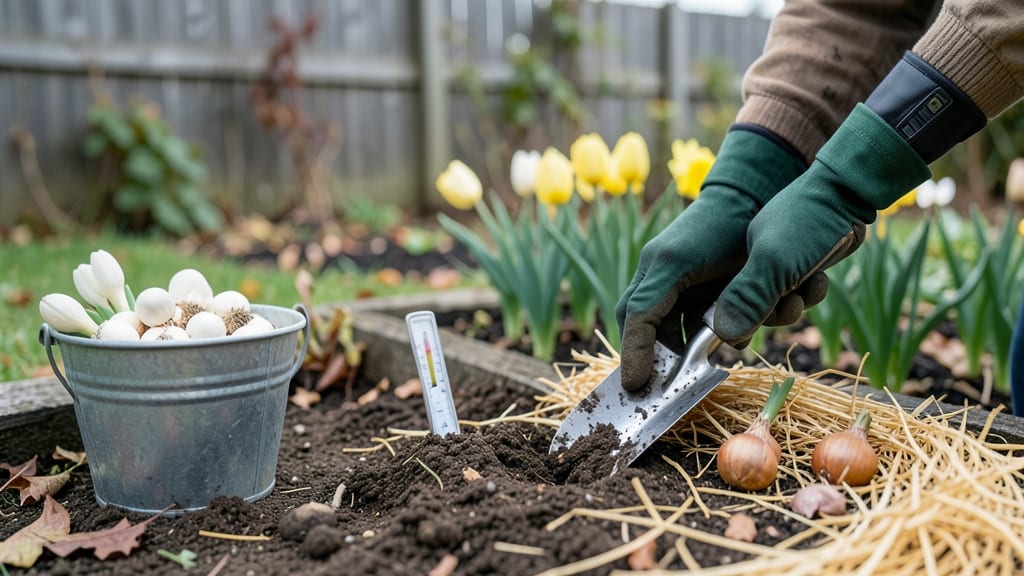
To plant bulbs in Ohio for reliable spring blooms, aim for September through November—when soil temps drop below 60°F—or early spring after the last frost, but never after April 15.
Ohio gardeners know timing is everything—plant bulbs too early, and they’ll rot; too late, and you’ll miss the season’s magic. But with Ohio’s diverse zones and chill-hour requirements, figuring out the perfect moment can feel like solving a puzzle.
Most spring-flowering bulbs like tulips and daffodils need 6-12 weeks of cold to bloom, which means fall planting is critical. In Zone 6a, where most of Ohio falls, aim for mid-October for tulips or late November for daffodils—just before the ground freezes.
Below, I’ll break down the exact chill-hour chart by zone, soil prep secrets to avoid common mistakes, and how to adjust for Ohio’s unpredictable freezes—so you can enjoy bold, early blooms year after year.
Ohio bulb planting calendar by hardiness Zone (chill-hours included)
Ohio’s diverse USDA zones (5-9) create unique challenges for bulb planting. The key to success? Understanding chill-hour requirements and fall planting deadlines. Tulips need 1,200-1,500 chill hours, while daffodils thrive with 600-1,000 hours.
Plant too early, and bulbs rot; too late, and they won’t bloom. Let’s break it down by zone to ensure your garden bursts with color next spring.
Most Ohio gardeners focus on fall planting (September-November), but Zone 9 growers can plant in December-January. Spring planting is risky unless you’re in Zone 6b+ with early-blooming varieties. Always check soil temperatures—they should be below 60°F (15°C) for 4-6 weeks before planting.
Here’s a quick reference for Ohio’s hardiness zones 5-9, including ideal planting windows and chill-hour ranges for popular bulbs. Use this as your guide to avoid common mistakes like planting tulips too late in Zone 5 or hyacinths too early in Zone 9.
For Zone 5-6a gardeners, focus on tulips and daffodils—they handle Ohio’s harsh winters with ease. Plant tulips in September to avoid rot from wet soil in late fall.
In Zone 7-9, shift to low-chill varieties like daffodils or rain lilies, which bloom reliably even with fewer chill hours.
Pro tip: Use a soil thermometer to confirm 40-50°F (4-10°C) soil temps before planting. In Zone 5, this usually happens by mid-October, while
How to adjust planting time for Ohio’s unpredictable weather patterns
Ohio’s weather can throw a curveball—one week of unseasonable warmth in October might trick you into planting early, while a late spring freeze in April can ruin tender shoots.
The key is flexibility. I’ve learned to use soil thermometers and microclimate awareness to fine-tune planting times, especially for bulbs that need precise conditions to thrive.
For fall-planted bulbs like tulips and daffodils, aim to plant 6-8 weeks before the ground freezes. But if your soil stays warm longer than usual, delay planting until temperatures drop below 60°F (15°C) consistently. In Zone 5, this might mean waiting until mid-October instead of early September.
⚠️ callout warning
If your area experiences a late spring freeze (common in Ohio’s Zone 6), protect young bulbs with frost cloth or a row cover. For tender bulbs like dahlias, wait until after May 15 to plant—even then, have a backup plan for Zone 5 gardeners.
Use a soil thermometer to check temperatures at 4-inch depth. Bulbs like crocuses and hyacinths can handle 40°F (4°C) soil, but tulips need 50°F (10°C) or warmer. If your soil runs cold earlier than expected, opt for earlier-blooming varieties that tolerate cooler conditions.
Mulching is my secret weapon. After planting, apply 3-4 inches of straw or shredded leaves to insulate bulbs from temperature swings. In Zone 4, this extra layer can mean the difference between frost damage and healthy blooms next spring.
Just remember to remove mulch in early spring to prevent rot.
For backup planting dates, bookmark Ohio’s frost-free date maps from the Old Farmer’s Almanac. If you miss the ideal window, spring-planted bulbs like gladioli can still thrive if you plant them as soon as the soil is workable. Just expect smaller blooms compared to fall-planted varieties.
Finally, group bulbs by chill-hour needs and bloom times to stagger your planting. This way, if one batch struggles with unpredictable weather, others will still deliver colorful blooms to brighten your garden. Patience and preparation pay off—trust me, I’ve learned that the hard way! 🌷