
Plants
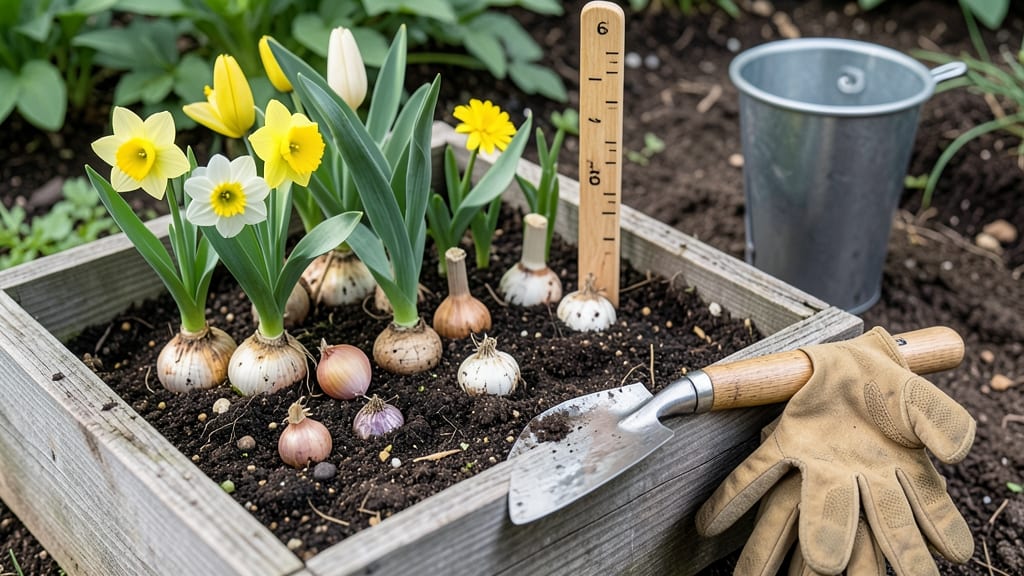
To plant bulbs in South Carolina for spring blooms, aim for October to November—when soil temps dip below 60°F and before the first frost hits.
South Carolina gardeners know timing is everything—plant bulbs too early, and they’ll rot; too late, and you’ll miss next spring’s stunning blooms. The secret? Chill-hours, not just calendar dates.
In zones 7b-8a, most spring-blooming bulbs like tulips and daffodils need 300-900 chill-hours to trigger blooms. Coastal areas may need pre-chilling, while Piedmont gardens often get enough natural cold.
Below, I’ll break down the exact months for your region, the best bulb varieties for SC’s climate, and how to prep soil to avoid soggy bulbs or pests like voles.
South Carolina’s chill-hours zones: the real planting trigger
South Carolina’s USDA zones 7a-8b might seem mild compared to northern states, but the real secret to successful bulb planting lies in chill-hours—the cumulative hours below 45°F that bulbs need to bloom.
Most gardeners focus on calendar dates, but your local chill-hours determine whether tulips will flop or daffodils will shine. For example, Zone 7a (like Charleston) averages 300-500 chill-hours, while Zone 8b (Upstate) gets 900-1,200 chill-hours, creating a 10-week planting window difference for the same bulb variety.
Think of chill-hours like a planting GPS. In Zone 8a (Columbia), you can plant tulips in December because they’ll get enough cold. But in Zone 7b (Hilton Head), you’d need to plant them by November 1st to avoid weak blooms.
This explains why some gardeners in coastal SC struggle with hyacinths—they often need 600+ chill-hours, which coastal areas rarely deliver without help.
Here’s the catch: Most spring-blooming bulbs (tulips, daffodils, crocuses) must be planted in fall to meet their chill-hour requirements before spring. But in Zone 8b, where winters are shorter, you can sometimes plant late (even January) and still get blooms.
The key is understanding your local chill-hour total and matching bulbs to it—like planting daffodils (which need 300-500 chill-hours) in Zone 7a but avoiding tulips (which need 600-900 chill-hours) unless you’re in Zone 8a or higher.
🌱 Chill-Hours vs. USDA Zones in South Carolina
Your local chill-hours also explain why some bulbs fail to bloom in certain areas. For instance, Zone 7a gardeners often see tulips produce foliage but no flowers—they’re not getting enough cold. The fix?
Choose low-chill varieties like ‘Early Harvest’ tulips (400-500 chill-hours) or use a pre-chilling method (more on that in the next section). Conversely, Zone 8b gardeners can push their luck and plant bulbs as late as January for spring blooms, thanks to the extra cold snaps in the mountains.
Another game-changer is microclimates. Even within Zone 7b, a garden in Greenville (higher elevation) might get 100+ extra chill-hours than one in Florence. This means you can plant tulips in November in Greenville but need to plant them
Best bulbs for South Carolina’s climate (and when to plant them)
South Carolina’s mild winters make bulb planting a strategic game—too early, and bulbs rot in warm soil; too late, and they miss dormancy. The key is matching chill-hour needs with your zone’s USDA 7b-8a conditions.
Most spring-blooming bulbs thrive with 300-600 chill-hours, while summer bloomers need less than 300. Let’s break down the best performers and their precise planting windows.
For Piedmont SC (Zone 7b), aim for October-November planting when soil temps drop below 60°F. Coastal areas (Zone 8a) can plant slightly later, often November-December, since they experience milder winters. Always plant 6-8 weeks before first frost—typically mid-November in most regions.
Daffodils (Narcissus) are my top recommendation for SC—they bloom reliably even with fewer chill-hours than tulips and resist deer. Plant them 6 inches deep in well-draining soil with a 2-inch layer of sand if your native soil is heavy clay.
For tulips, choose Darwin Hybrid varieties like ‘Paul Scherer’—they handle SC’s humidity better than standard types.
If you’re in Zone 8a (coastal areas), consider pre-chilling bulbs for 6-8 weeks in your fridge before planting. This mimics winter conditions and ensures blooms. For summer-blooming bulbs like dahlias, plant tubers in February-March after the last frost date (usually mid-April).
These need no chill-hours and thrive in SC’s heat once established.
Pro tip: Mark your planting calendar with these dates—October 15 for Piedmont, November 1 for coastal areas. Use a moisture meter to confirm soil temps are below 60°F before planting. Overwatering at this stage is a common mistake—bulbs rot in soggy soil. Aim for damp but not soggy conditions.
For long-term success, mulch with 2-3 inches of pine straw after planting to insulate bulbs during winter. This prevents frost heave and keeps soil temps stable. In Zone 8a, you can even plant spring-blooming bulbs in December if you cover them with extra mulch for winter protection.